Bariatric Surgery Success Stories: From Self-Pay Options to Skin Removal After Weight Loss
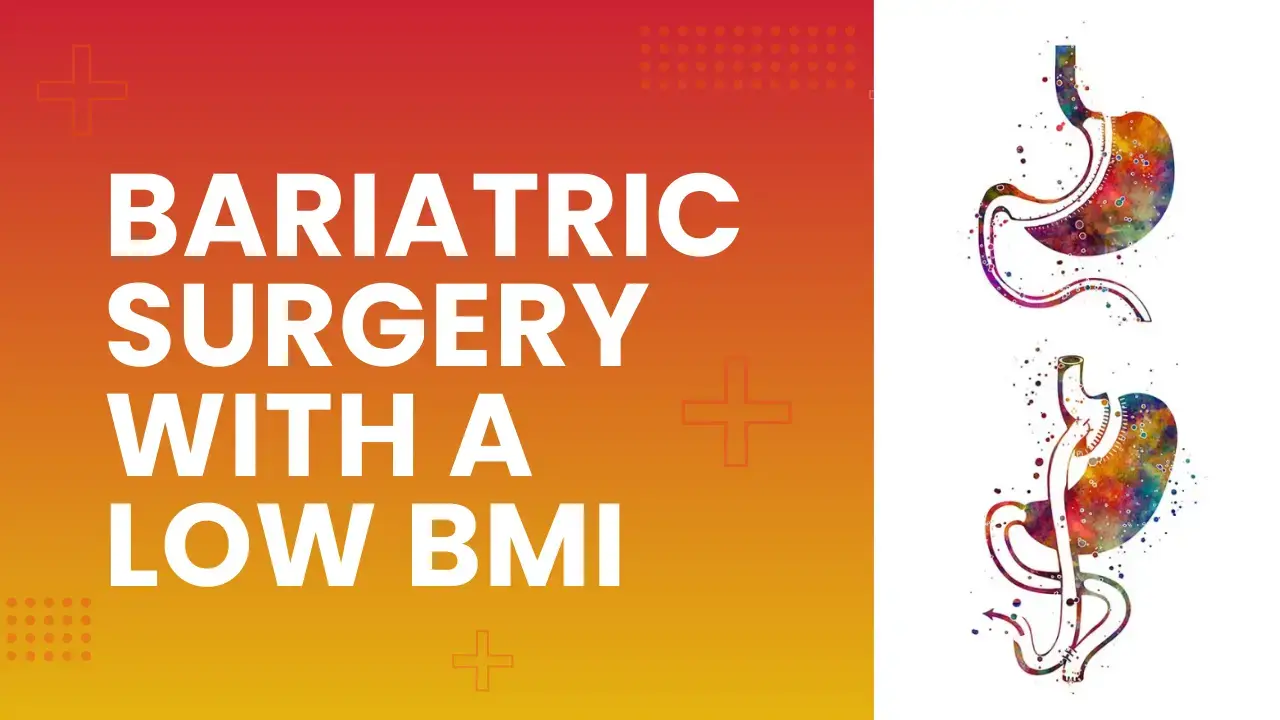
Bariatric surgery offers life-changing weight loss, better health, and lasting benefits, from reducing meds to boosting quality of life. Discover success stories and options here.
Bariatric surgery continues to transform lives, offering significant weight loss and improved health for many individuals who have battled obesity for years. For some, it’s not just about losing weight but achieving sustainable, long-term health benefits, from reducing or eliminating medications for conditions like high blood pressure and diabetes to living a more active, fulfilling life. This article explores an inspiring gastric bypass success story, self-pay bariatric surgery options, the decision-making process for low-BMI patients, and the significance of skin removal after substantial weight loss.
Expanded Guidelines Offer Hope for Low-BMI Patients Seeking Lasting Weight Loss
Historically, bariatric surgery was reserved for individuals with BMIs higher than 40. In recent years, however, new evidence-based guidelines issued by the ASMBS (American Society for Metabolic and Bariatric Surgery) and the IFSO (International Federation for the Surgery of Obesity and Metabolic Disorders) have expanded eligibility for weight-loss surgery. This change now recommends bariatric surgery for individuals with a BMI of 35 or more whether or not they have a comorbidity and supports surgery for individuals with a BMI of 30-34.9 who struggle with metabolic diseases like hypertension, high cholesterol, or diabetes. This shift marks a departure from the outdated 1991 NIH Consensus Statement, which limited surgery access to those with a BMI over 40 or 35 with a serious obesity-related condition.
These new guidelines reflect decades of research showing that modern bariatric surgeries, such as Roux-en-Y Gastric Bypass (RYGB) and Vertical Sleeve Gastrectomy (VSG), not only lead to more sustainable weight loss but also improve metabolic health. The changes encourage healthcare providers, insurers, and policymakers to adopt a more inclusive perspective, acknowledging that bariatric surgery is a safe and effective intervention across a broader range of BMIs.
Bethann’s Low BMI Bariatric Surgery Journey
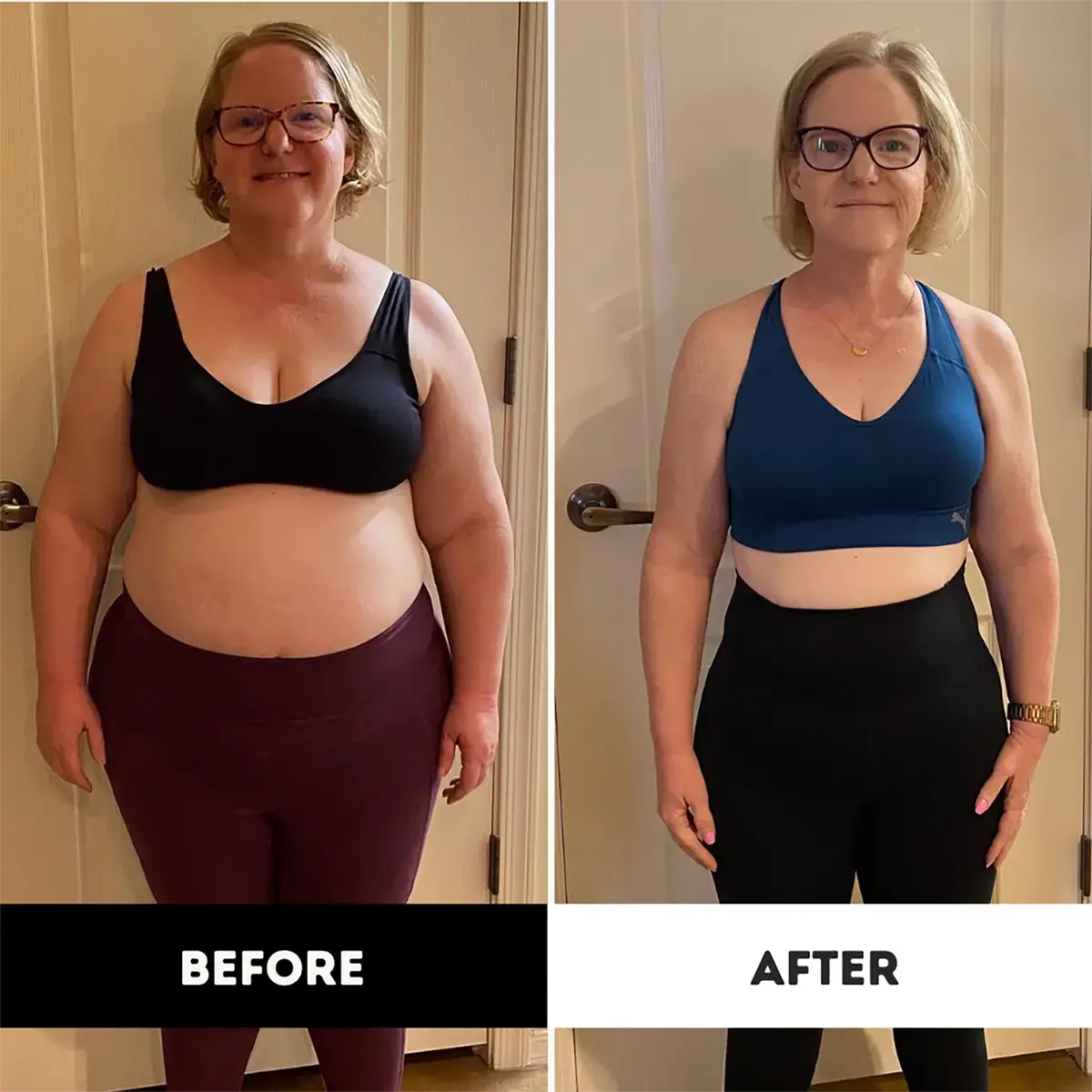
Many people with lower BMIs experience similar struggles with weight fluctuations and health issues as their higher BMI peers, making them excellent candidates for procedures like the sleeve gastrectomy or the gastric bypass. Take the story of Bethann, who came to surgery with a lower starting weight just below 200 pounds and a BMI in the lower 30s.
Bethann’s weight loss journey started like many others, with countless attempts to lose weight that inevitably led to regain. By the time she reached her late forties, Bethann had lost and regained weight at least seven times. After years of diet programs that ended in regaining the weight, she recognized that surgery was a lasting solution she wanted to consider seriously.
A turning point came when she researched her surgical options and noticed that while both the sleeve gastrectomy and gastric bypass yielded similar initial weight loss results, the gastric bypass had a significantly lower rate of weight regain. For Bethann, this long-term durability was paramount.
She encountered some resistance when consulting with surgeons in her local Las Vegas area, who primarily recommended the VSG without fully discussing her individual needs and history of repeated weight cycling. When she met with Dr. Weiner in Tucson, AZ, however, they discussed her history, goals, lifestyle, and what she wanted to avoid: another bout of weight regain. This consultation ultimately led her to choose gastric bypass as the procedure that offered the best chance for permanent results.
Today, Bethann’s weight fluctuates between 115 and 120 pounds, a weight she describes as stable and healthy, and she’s maintained this weight for more than two years with consistent results. Bethann’s story illustrates that each patient’s needs are unique, and choosing the right procedure can be a vital part of long-term success.
Which Bariatric Surgery Should I Have? Take a Quiz
.jotform-iframe { min-width:100%; max-width:100%; border:none; padding:0px; } @media (max-width: 768px) { .jotform-iframe { min-height:640px; height:640px; } } @media (min-width: 769px) { .jotform-iframe { min-height:740px; height:740px; } }
window.jotformEmbedHandler(“iframe[id=’JotFormIFrame-242101098292148’]”, “https://form.jotform.com/”)
Self-Pay Bariatric Surgery Options: Making It Accessible
One obstacle many face when considering bariatric surgery is the cost, especially when insurance coverage is limited. As a low-BMI patient with a BMI in the 30-35 range, Bethann did not meet the traditional insurance criteria. Despite having co-occurring health issues like high blood pressure, her insurance did not cover her procedure due to BMI restrictions, so she pursued a self-pay option. Dr. Weiner’s practice offers a self-pay surgery plan that allows patients without insurance coverage to access life-changing surgery, with patients traveling from across the U.S. to access these services. Bethann made a four-hour drive from Las Vegas to Tucson to make her gastric bypass surgery a reality.
The decision to pay out of pocket can be daunting, yet practices that offer flexible payment options and tailored financing plans make it possible. Exploring several practices and comparing self-pay surgery options can help find the best value and care. Self-pay also allows patients to take charge of their health on their terms, especially when faced with strict insurance criteria based on outdated policies.
Skin Removal After Weight Loss: Reclaiming Comfort and Confidence
A frequent topic among those who have lost substantial weight is the excess skin that often remains, particularly around the abdomen, arms, and thighs. For many, skin removal after weight loss, including procedures like tummy tucks, brachioplasty (arm lifts), and thigh lifts, plays an essential role in their journey. Bethann shared her experience with skin removal after her gastric bypass, mentioning how, after years of weight gain and loss, she had visible excess skin. The removal surgery helped her feel more at ease with her body, noting it wasn’t just a cosmetic procedure but a way to feel comfortable in her skin.
Skin removal surgery, however, is often not covered by insurance and can be an out-of-pocket expense for most patients. Bethann, who self-funded her procedure, noted that her surgeon combined the surgery with a hernia repair, which helped offset some of the costs. In her case, the procedure was around $6,000, which is at the lower end of what these surgeries typically cost.
Dr. Weiner explains that insurance sometimes covers skin removal, but there are stringent requirements, including medical documentation of rashes or infections caused by the skin. While not all practices offer cost-saving combinations, Dr. Weiner advocates for practices that are willing to work with insurance to lower the financial burden, particularly as these procedures can range from $10,000 to over $20,000. He emphasizes the importance of finding a reputable surgeon who can provide both quality results and a manageable payment structure.
Support Networks: A Key to Bariatric Surgery Success
One crucial aspect of Bethann’s success story was her support network, which included regular participation in follow-up groups. Support networks are invaluable in maintaining long-term success, offering a space to share progress, ask questions, and stay motivated. Some practices, including Dr. Weiner’s, provide a variety of support options, from in-person group meetings to Zoom calls that make it accessible to people all over the country. These groups offer a safe space for discussing anything from managing stalls in weight loss to preparing for procedures like skin removal surgery.
Support groups help individuals address the emotional changes that come with weight loss, as well as offering practical tips on diet, physical activity, and mental well-being. They can make all the difference in maintaining weight loss and in deciding whether to pursue additional surgeries, like skin removal, that further enhance comfort and confidence.
Conclusion: Empowering Your Journey
Bethann’s story illustrates the versatility and effectiveness of bariatric surgery, even at a lower BMI, and highlights options for those without insurance coverage or with a self-pay requirement. Her journey also underscores the importance of a healthy, nutrient-rich diet for sustainable success and the role of supportive care teams and networks in achieving and maintaining weight loss goals.
For anyone considering bariatric surgery, especially if exploring self-pay bariatric surgery options or interested in low BMI procedures, this story can provide insight and inspiration on how to proceed. Skin removal after weight loss, although often an additional expense, can bring significant improvements in comfort and quality of life for those adjusting to a leaner physique. As Bethann’s journey shows, having a plan that integrates surgery, nutrition, and support is the ultimate formula for a truly life-changing outcome.
Bariatric Surgery
For patients interested in Weight Loss Surgery, Dr. Weiner has performed over 4,000 Bariatric procedures and has one of the lowest complication rates in the state, with patients from all across the U.S. Our extensive preoperative program is outdone only by our lifelong postoperative support!
At the Pound of Cure, we don’t just operate and send you on your way.
Our motto is: “We’re here for every step of your weight loss journey.”
For patients interested in Weight Loss Surgery, Dr. Weiner has performed over 4,000 Bariatric procedures and has one of the lowest complication rates in the state, with patients from all across the U.S. Our extensive preoperative program is outdone only by our lifelong postoperative support! At the Pound of Cure, we don’t just operate and send you on your way.
How Much Weight Will You Lose After Bariatric Surgery? Take Our Quiz
.jotform-iframe { min-width:100%; max-width:100%; border:none; padding:0px; @media only screen and (max-width: 768px) { min-height:650px; height:650px; margin-top:-75px!important; } @media only screen and (min-width: 769px) { min-height:500px; height:500px; }
window.jotformEmbedHandler(“iframe[id=’JotFormIFrame-242017094653151’]”, “https://form.jotform.com/”)
About Dr. Weiner
He is currently the Medical Director for Bariatric Surgery at Tucson Medical Center and also the chairman of the Surgical Department. He is committed to ensuring that you get through your surgery with as little discomfort and difficulties as possible.
Expertise
Low complication rate, minimal postoperative pain and discomfort.
Safety
Dr. Weiner is committed to your safety and has developed a postoperative pathway that ensures a rapid recovery and minimal complications.
Dr. Weiner’s care extends far beyond the operating room. He and his team provide comprehensive, life-long support to help you maintain your weight loss and overall health. This includes personalized nutritional counseling, ongoing follow-up appointments, and access to his extensive library of educational materials that help you stay on track with your goals. His commitment to your long-term success is evident in the amount of support and guidance that you’ll receive throughout your journey.
Comprehensive Support
Ongoing nutritional counseling and follow-up care
Life-Long Partnership
Dedicated to your long-term success and well-being.
A leader in obesity treatment, Dr. Weiner also specializes in the use of GLP-1 medications to optimize patient care. He will use these medications preoperatively to determine whether surgery is necessary and postoperatively, if necessary, to minimize the risk of weight regain after surgery. By combining medical and surgical interventions, Pound of Cure Weight Loss can help you maximize your postoperative weight loss and ensure long-term success.
GLP-1 Expertise
Uses GLP-1 medications to assess the need for surgery and prevent weight regain.
Holistic Approach
Combines medical and surgical treatments for optimal results.
Navigating the insurance process can be daunting, but Dr. Weiner’s team is here to help. They work closely with you to secure insurance authorization, making sure you have the coverage you need for your procedure and helping to keep the cost as low as possible. Their expertise in dealing with insurance providers ensures a smoother, less stressful preoperative experience, allowing you to your upcoming surgery.
Insurance Assistance
Expert help with obtaining insurance authorization
Stress-Free Experience
Focus on your preparation while we handle the paperwork.