High Fiber Foods for Weight Loss Without GLP-1 Meds
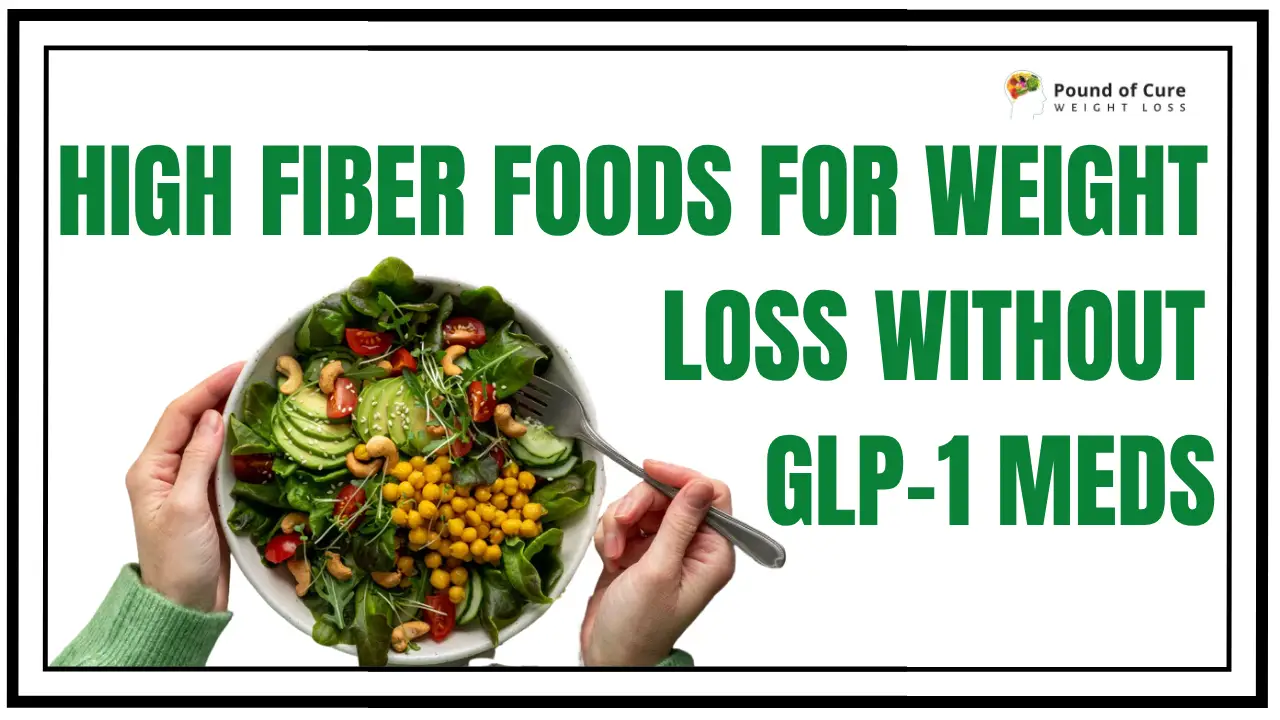
Discover how high fiber foods can support weight loss without GLP-1 meds. Learn science-backed strategies to curb cravings, enjoy a balanced diet, and keep weight off for good.
When it comes to sustainable weight loss, especially after surgery or in the absence of medications like GLP-1 agonists, the focus often shifts to what you eat. A diet rich in high fiber foods is one of the strongest tools for curbing cravings, managing hunger, and achieving weight loss without medication. In this guide, we’ll reveal how high fiber foods play a significant role, explore strategies for a balanced diet, and provide practical tips for beating cravings after weight loss surgery.
Key Takeaways
- Why High Fiber Foods Are Essential for Weight Loss
- Effective Weight Loss Without GLP-1 Meds
- Balanced Diet Strategies After Weight Loss Surgery
- How to Stop Cravings Post-Surgery
- Building a High Protein, High Fiber Diet for Lasting Results
Why High Fiber Foods Are Essential for Weight Loss
High fiber foods such as vegetables, fruits, beans, and whole grains are game changers in the journey to effective and lasting weight loss. Fiber slows digestion, which helps you feel full longer and reduces the spikes and crashes in blood sugar that can trigger cravings and overeating. When you fill your meals with fiber-rich foods, you essentially ‘hack’ your hunger cues, making it easier to avoid processed and trigger foods. Think of eating a pound of vegetables a day—a common successful strategy for both surgery patients and anyone aiming for better hunger management.
Moreover, the slower, gradual digestion of fiber helps keep your energy stable and supports healthier choices throughout the day. Research and clinical experience consistently show that people who boost their intake of high fiber foods experience improved satiety and better weight outcomes over time.
Effective Weight Loss Without GLP-1 Meds
It’s absolutely possible to lose weight and regain control after weight loss surgery—or even after weight regain—without relying on GLP-1 medications. However, it can be more challenging, especially if weight regain has been present for several years. Hard work, persistence, and lifestyle adjustments are key. By focusing on filling your plate with vegetables, beans, fruits, and lean protein, you can reduce food cravings while feeling satisfied.
The metabolic reset diet and similar high fiber, plant-forward approaches are specifically designed for this scenario. These diets prioritize whole foods that are high in fiber and nutrients rather than calorie restriction alone. Fiber, in particular, mimics some effects of GLP-1 meds by quieting food noise—reducing obsessive food thoughts and helping you make healthier food choices throughout the day.
Balanced Diet Strategies After Weight Loss Surgery
After weight loss surgery, your body’s relationship with food changes. In the initial months, appetite may be suppressed, but as your body adjusts and hunger returns, it becomes critical to shift your focus to a balanced, plant-heavy diet. Studies and clinical guidance agree that a diet based on vegetables, fruits, beans, nuts, seeds, and lean proteins is the best way to keep cravings in check and maintain cardiac health after surgery.
This balanced approach provides sustained energy, protein for muscle preservation, and enough fiber to help manage the rapid cycling of blood sugar that can occur after bariatric procedures. By planning meals centered on whole, high-fiber foods and lean proteins—such as salads with beans, stir-fries loaded with veggies, or snacks like celery and nut butter—you set yourself up for satiety and weight management success.
How to Stop Cravings Post-Surgery
Cravings after weight loss surgery are common, largely due to hormonal and metabolic shifts. When hunger and food noise return, reaching for high fiber foods is your best defense. As you add more fiber to your meals—especially combined with protein and a bit of healthy fat—you slow down digestion and prolong the feeling of fullness. This means fewer food-focused thoughts and less temptation to give in to unhealthy cravings.
Another important factor is meal timing and planning. Don’t let yourself get too hungry; that’s when your body’s natural response is to crave quick energy sources (usually processed or sugary foods). Instead, focus on eating consistent, fiber-rich meals and snacks throughout the day. Develop healthy strategies to manage and prevent cravings after bariatric surgery. Examples include apple slices with almonds, roasted chickpeas, or veggie-heavy omelets. Building new routines and taste preferences around these foods will help you power through cravings and prevent binge episodes later on.
Building a High Protein, High Fiber Diet for Lasting Results
Pairing fiber with protein is a winning combination for both short-term and long-term weight management. Protein supports muscle retention and helps prevent malnutrition in periods of rapid weight loss (such as after surgery), while fiber keeps you satisfied and supports digestion. Aim for 60-80 grams of protein per day from both animal and plant sources. Use the 10-to-1 protein ratio rule: Aim for at least 1 gram of protein for every 10 calories in your protein source to ensure it’s lean and effective for satiety.
Great choices for building this type of diet include:
- Leafy greens and cruciferous vegetables (broccoli, kale, Brussels sprouts)
- Legumes like lentils, black beans, and chickpeas
- Lean proteins: fish, chicken, tofu, Greek yogurt, cottage cheese
- Fiber-rich fruits: berries, pears, apples (with skin) — see also our guide on How much fruit is too much?
- Nuts and seeds: almonds, chia, flaxseed
By gradually replacing processed foods with whole, fiber- and protein-rich choices, you create a diet that supports steady energy, a healthy gut, and lasting weight loss.
Discover the Pound of Cure App: Your Ultimate Weight Loss Companion
If you’re looking for extra support on your high fiber, high protein weight loss journey, the Pound of Cure app is the perfect tool to keep you on track. Designed by experts in bariatric care and sustainable weight loss, the app features Sage AI, an intelligent assistant that creates personalized meal plans, recipe ideas, and grocery lists tailored to your dietary needs — including fiber and protein goals, food preferences, and allergies. Whether you’re navigating life after surgery or working toward weight loss without GLP-1 medications, the app helps silence food noise, reduce cravings, and simplify meal prep. Download it free from your app store today and take the guesswork out of building a balanced, satisfying diet.
Sustainable Weight Loss Success Starts Here
Both before and after weight loss surgery—and especially for those aiming to lose weight without GLP-1 meds—a diet high in fiber and balanced with lean protein is the cornerstone of success. High fiber foods silence food noise, curb cravings, stabilize blood sugar, and help you enjoy satisfying meals that lead to long-term results. Start by adding one extra serving of vegetables, switching out processed snacks for fruit or nuts, and choosing lean, protein-packed dishes at every meal. Over time, these habits will help you feel better, manage your weight, and sustain your progress—no matter where you started.