Is Bariatric Surgery Safe?
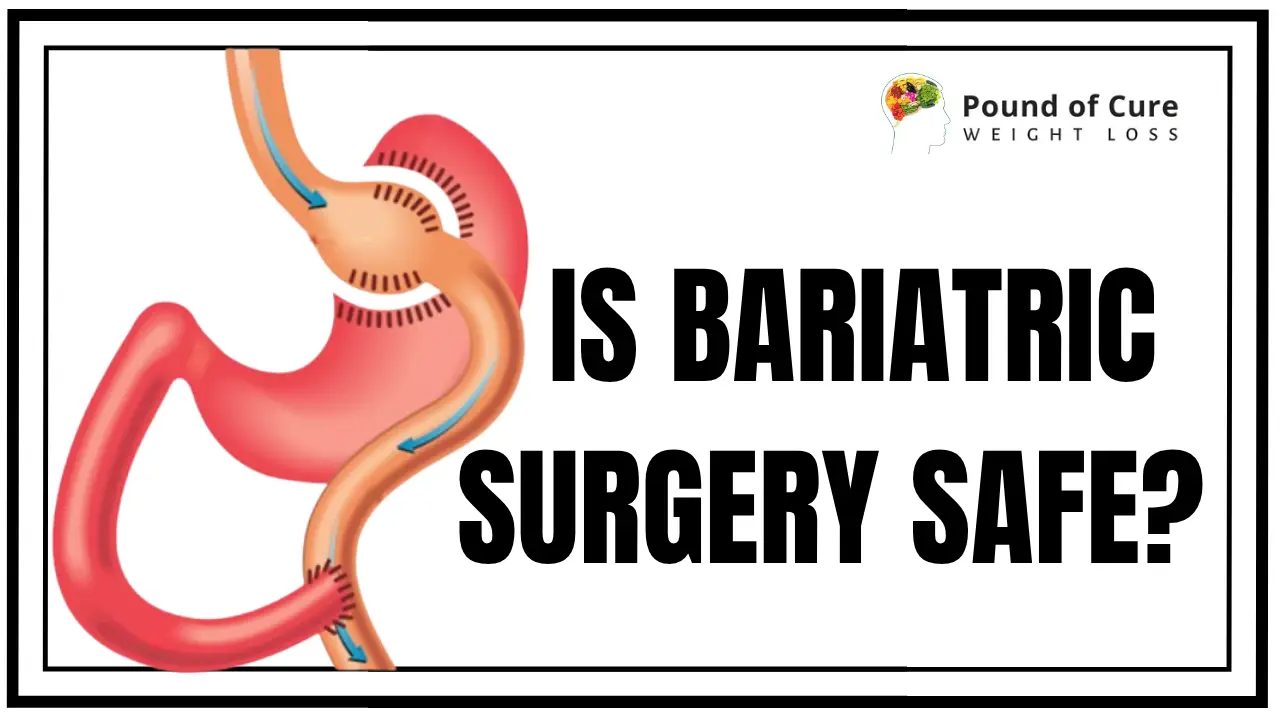
Is bariatric surgery safe? Discover the safety, success, cost, and nutrition essentials for bariatric surgery and how it compares to weight loss injections.
Is bariatric surgery safe? With the rise of innovative weight loss medications and renewed focus on nutrition, many people considering a significant health transformation find themselves weighing the pros and cons of surgery, medications, or both. This article breaks down the latest evidence, exploring bariatric safety statistics from NIH, cost comparisons with injections, optimal nutrition after surgery, and the powerful role of the metabolic reset diet for long-term weight loss success.
Key Takeaways
- Bariatric surgery is safer than ever, with low complication rates
- Comprehensive care: Integrate nutrition, medication, and surgery for best results
- Best nutrition after weight loss surgery focuses on fluids, protein, and gradual dietary progress
- The metabolic reset diet encourages sustainable, long-term weight loss
- Cost of weight loss injections vs. surgery: upfront vs. ongoing expenses
Bariatric Surgery Is Safer Than Ever
Modern bariatric surgery, including procedures like gastric bypass and sleeve gastrectomy, has evolved dramatically since its introduction in the 1970s and 80s. Thanks to minimally invasive techniques, major complication rates are now quite low—typically ranging from 1% to 4%, with life-threatening events such as sepsis occurring in less than 0.1% of cases. National data tracking from NIH consistently shows bariatric procedures are performed safely across the country by skilled surgeons. Patients can expect a significant total body weight loss, often 20%-30% of their initial weight, compared to 15%-20% typically seen with medication and nutritional counseling alone.
Bariatric surgery fundamentally changes how your body regulates weight by lowering the metabolic “set point.” This makes long-term maintenance of weight loss more achievable than with medication alone. And while the prospect of surgery can seem intimidating, for many, the risk is outweighed by the substantial, lasting health benefits.
Comprehensive Care: Integrating Nutrition, Medication, and Surgery
The best obesity treatment is rarely just surgery or medication—it’s a stepwise, comprehensive approach combining nutrition, medication (like GLP-1s), and, if needed, surgery. Most modern practices start patients on medications when possible. If medications alone aren’t enough or aren’t tolerated, or if a patient prefers to avoid long-term medication use, bariatric surgery is considered.
Importantly, all successful weight loss journeys—regardless of the chosen path—focus on foundational lifestyle habits: hydration, movement, and a shift away from processed foods. Whether starting with medications or surgery, integrating strong nutritional support and behavioral changes yields the best and most lasting outcomes. Many clinics now blend these approaches, maximizing patients’ results and offering ongoing support programs that enhance long-term success. Learn how insurance coverage can impact access to medications and support your weight loss journey.
Best Nutrition After Weight Loss Surgery: Stepwise Strategies
Optimizing nutrition after bariatric surgery is essential for both short-term recovery and long-term weight maintenance. Early on, the focus shifts to a hierarchy of nutrition needs:
- Hydration first: Fluids are the top priority post-surgery to prevent dehydration.
- Protein next: After surgery, your body needs plenty of protein to preserve lean muscle mass and support healing.
- Micronutrients: Vitamins and minerals should be incorporated as the diet progresses.
The first 6-12 months after surgery place special emphasis on protein, but as you move beyond the “honeymoon” phase, fiber and phytonutrient-rich foods (like vegetables) should make up a greater part of the diet for long-term weight maintenance and disease prevention. The stepwise approach also helps patients avoid feeling overwhelmed, allowing them to build new habits and confidence one step at a time—such as by increasing daily vegetable intake to naturally reduce processed food cravings.
The Metabolic Reset Diet for Sustainable Weight Loss
Unlike quick-fix diets, the metabolic reset diet aims to deliver permanent change by focusing on the quality rather than sheer quantity of food. Centered around unprocessed, nutrient-rich foods, it minimizes the hormonal drivers of hunger and weight regain. Many successful bariatric programs start all patients—whether or not they pursue surgery—on the metabolic reset diet, helping them establish healthy habits, improve energy, and boost motivation.
This method encourages a long-term mindset focused not just on what you weigh in six months, but where your weight and health stand years later. By gradually adopting new habits and reinforcing a positive identity around healthy eating and movement, patients dramatically increase their odds of maintaining their achievements.
Cost of Weight Loss Injections vs. Surgery: What You Need to Know
Cost is a common deciding factor for many people considering weight loss interventions. GLP-1 medications like Ozempic often cost upwards of $1,000 per month, although this varies depending on coverage and availability. While these medications may be effective, the ongoing monthly expense can add up quickly over a lifetime. According to a cost analysis of bariatric surgery versus weight loss injections, expenses for medications can exceed $11,000 annually before insurance or discounts.
Bariatric surgery, in contrast, is a one-time investment. While the upfront costs can be significant, long-term studies and expert experience consistently show that surgery is often the more cost-effective solution over time, especially when factoring in lasting weight loss and reduced need for lifelong medications. Many comprehensive weight loss clinics now offer programs that bundle support, medications, and surgery into manageable monthly costs, sometimes making structured care more accessible than ongoing high-dose medications alone.
The Future: Empowered, Educated Choices
Bariatric surgery is not a thing of the past—if anything, more people than ever are considering it due to the clear, long-term benefits it provides. The gold standard for weight management now embraces a holistic strategy: combining surgery, medications when appropriate, best nutrition after weight loss surgery, and strong behavioral support. This approach empowers individuals to make informed, confident decisions alongside their healthcare teams, maximizing their chances of lifelong success.
Whether you’re newly considering options, years out from surgery, or still weighing what path to take, remember: You have the tools to take control of your journey. Seek out clinics or programs that offer comprehensive care, educational support, and ongoing community—because your success story deserves every chance to thrive.
Bariatric Surgery
For patients interested in Weight Loss Surgery, Dr. Weiner has performed over 4,000 Bariatric procedures and has one of the lowest complication rates in the state, with patients from all across the U.S. Our extensive preoperative program is outdone only by our lifelong postoperative support!
At the Pound of Cure, we don’t just operate and send you on your way.
Our motto is: “We’re here for every step of your weight loss journey.”
For patients interested in Weight Loss Surgery, Dr. Weiner has performed over 4,000 Bariatric procedures and has one of the lowest complication rates in the state, with patients from all across the U.S. Our extensive preoperative program is outdone only by our lifelong postoperative support! At the Pound of Cure, we don’t just operate and send you on your way.
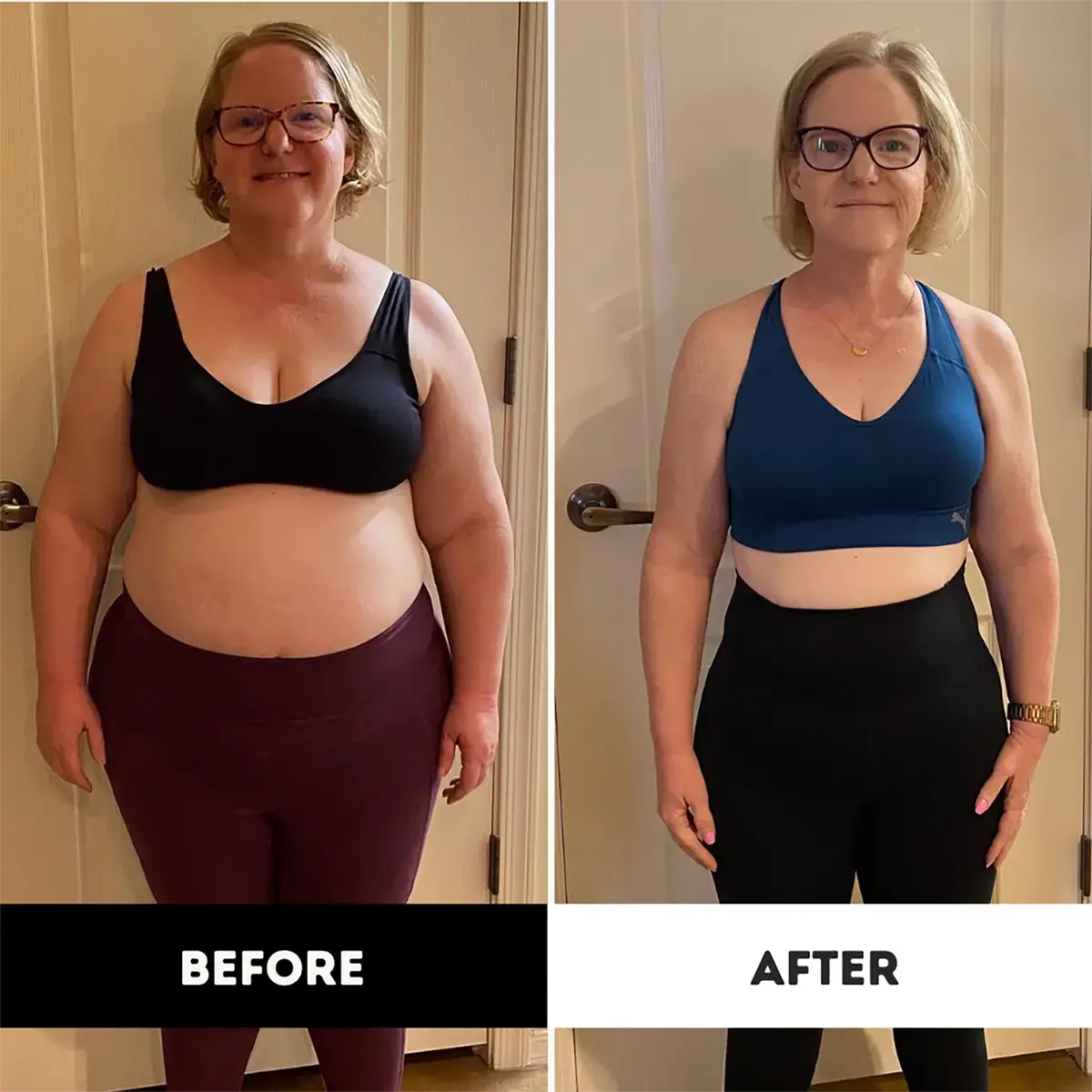
How Much Weight Will You Lose After Bariatric Surgery? Take Our Quiz
.jotform-iframe { min-width:100%; max-width:100%; border:none; padding:0px; @media only screen and (max-width: 768px) { min-height:650px; height:650px; margin-top:-75px!important; } @media only screen and (min-width: 769px) { min-height:500px; height:500px; }
window.jotformEmbedHandler(“iframe[id=’JotFormIFrame-242017094653151’]”, “https://form.jotform.com/”)
About Dr. Weiner
He is currently the Medical Director for Bariatric Surgery at Tucson Medical Center and also the chairman of the Surgical Department. He is committed to ensuring that you get through your surgery with as little discomfort and difficulties as possible.
Expertise
Low complication rate, minimal postoperative pain and discomfort.
Safety
Dr. Weiner is committed to your safety and has developed a postoperative pathway that ensures a rapid recovery and minimal complications.
Dr. Weiner’s care extends far beyond the operating room. He and his team provide comprehensive, life-long support to help you maintain your weight loss and overall health. This includes personalized nutritional counseling, ongoing follow-up appointments, and access to his extensive library of educational materials that help you stay on track with your goals. His commitment to your long-term success is evident in the amount of support and guidance that you’ll receive throughout your journey.
Comprehensive Support
Ongoing nutritional counseling and follow-up care
Life-Long Partnership
Dedicated to your long-term success and well-being.
A leader in obesity treatment, Dr. Weiner also specializes in the use of GLP-1 medications to optimize patient care. He will use these medications preoperatively to determine whether surgery is necessary and postoperatively, if necessary, to minimize the risk of weight regain after surgery. By combining medical and surgical interventions, Pound of Cure Weight Loss can help you maximize your postoperative weight loss and ensure long-term success.
GLP-1 Expertise
Uses GLP-1 medications to assess the need for surgery and prevent weight regain.
Holistic Approach
Combines medical and surgical treatments for optimal results.
Navigating the insurance process can be daunting, but Dr. Weiner’s team is here to help. They work closely with you to secure insurance authorization, making sure you have the coverage you need for your procedure and helping to keep the cost as low as possible. Their expertise in dealing with insurance providers ensures a smoother, less stressful preoperative experience, allowing you to your upcoming surgery.
Insurance Assistance
Expert help with obtaining insurance authorization
Stress-Free Experience
Focus on your preparation while we handle the paperwork.