How much fruit is too much?
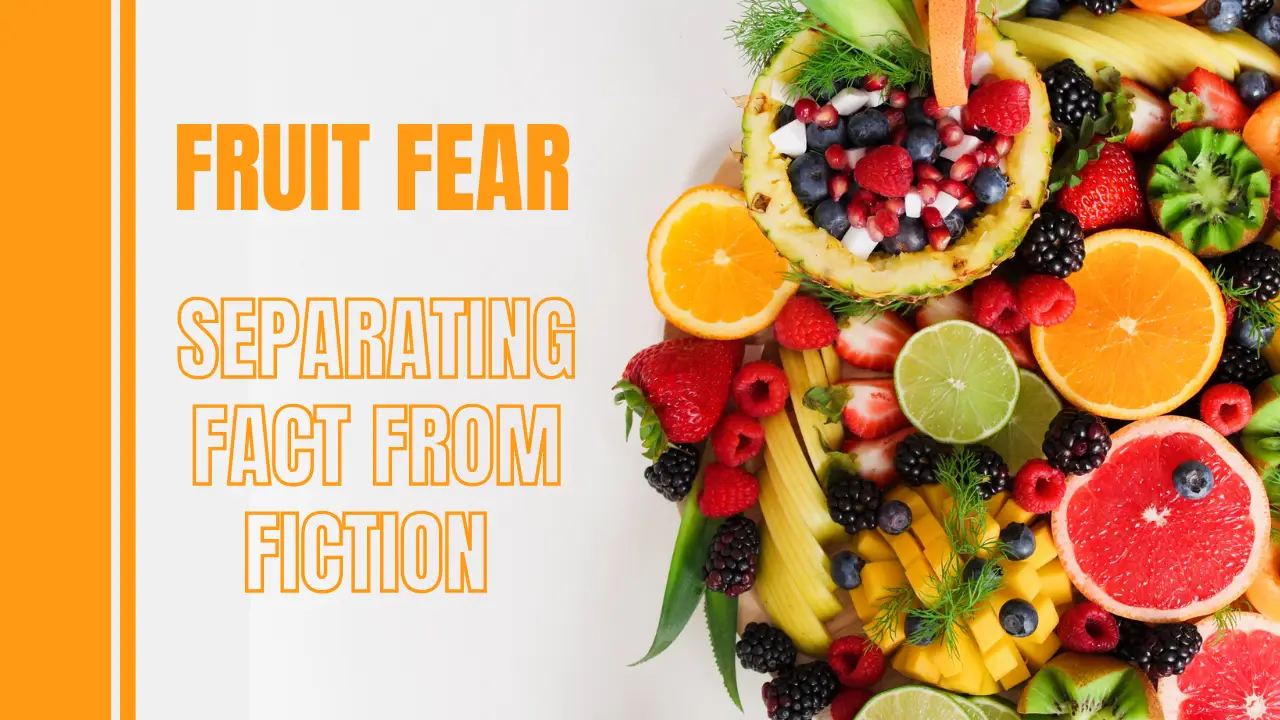
In recent years, fruit has become a topic of debate within the health and wellness community. Some popular diets emphasize limiting or even avoiding fruit due to its sugar content. This “fruit fear” often leads people, especially those with diabetes or prediabetes, to avoid fruit altogether. The truth is, fruit is an incredibly nutritious part of any diet, and when consumed with protein, it can be enjoyed safely even by those with diabetes.
How Much Fruit is Too Much? Is Fruit Fattening? Does Fruit Cause Weight Gain?
I’m still asked these questions frequently: “how much fruit is too much?”, “is fruit fattening?”, or “does fruit cause weight gain?” A lot of people remain confused about fruit when popular diet trends blame its natural sugar content for weight gain or blood sugar issues. This kind of thinking has led to widespread “fruit fear,” making many people—especially those managing obesity, diabetes, or prediabetes—hesitant to include fruit in their diet.
Let’s clear this up: fruit is not the enemy. In fact, fruit can be part of a healthy, balanced diet that supports weight loss, lowers food noise, and nourishes your body without causing weight gain.
Understanding “Fruit Fear”: Why the Misconceptions?
Is Fruit Sugar Unhealthy?
Most people think that all sugars affect the body in the same way and wonder “is fruit fattening?” Yet, the sugar in fruit is metabolized differently than the sugars found in processed foods. Unlike processed sugar, fruit comes packed with fiber, the secret ingredient that regulates how sugar impacts your body.
Fiber as a Natural Antidote: Fiber in fruit helps slow the release of sugar into your bloodstream, preventing the rapid blood sugar spikes that refined sugars often cause. Think of it this way: if sugar is a poison, fiber is its antidote.
This fiber-and-fructose combination means that even regular fruit consumption does not automatically lead to weight gain or “fattening” effects. In fact, research consistently shows that people who eat more fruit tend to have healthier body weights and lower A1C levels (a key diabetes marker) than those who avoid it.
How Fruit Fits Into a Healthy Lifestyle
Including fruit can significantly support weight loss, weight maintenanceand overall health. Fruits boast essential vitamins, minerals, and phytonutrients that foster better immune function, skin health, and mental clarity. For individuals transitioning away from processed foods, fruit offers the natural sweetness and nutrition your body craves—without the drawbacks of refined sugars.
How Much Fruit Is Too Much?
If you’ve ever wondered, “How much fruit is too much?”, the answer may surprise you. The Pound of Cure program does not place a “limit” on fruit intake because:
- Fruits are naturally low in calories.
- They provide high water content and fiber, increasing satiety and reducing the likelihood of overeating.
Of course, everyone’s body and health goals differ. If you have specific metabolic concerns or medical conditions, consult a healthcare professional for personalized guidance. But in general, fruit intake does not have to be restricted, particularly if your overall diet is centered around whole, unprocessed foods and plenty of vegetables.
Is Fruit Fattening or Does Fruit Cause Weight Gain?
Myth vs. Reality
Despite the myth that fruit might be “fattening,” there is no evidence that moderate fruit consumption causes weight gain. The naturally occurring sugars in fruit are packaged with fiber and nutrients, which help regulate how your body processes fructose.
In contrast, processed foods containing refined sugar and unhealthy fats are more likely to contribute to weight gain because they lack fiber and are often calorically dense. Fruit, on the other hand, is nutrient-dense and relatively low in calories. This is why it’s rare for fruit alone to cause someone to exceed their daily calorie needs.
The Metabolic Reset Diet: Unlimited Fruits, More Vegetables
In our Metabolic Reset Diet, we encourage you to enjoy unlimited fruits—provided you consume even more vegetables to balance your overall nutrient intake. Filling up on these fiber-rich choices helps reduce “food noise,” the nagging cravings for high-calorie, low-nutrient foods.
Why It Works:
- Fiber Satiates: Both fruits and vegetables contain substantial fiber, keeping you fuller longer.
- Nutrient Density: Whole, unprocessed plant foods deliver vitamins, minerals, and antioxidants that support metabolic health.
- Crowding Out Processed Foods: When you fill your diet with nutrient-dense options, you have less room (and less desire) for unhealthy snacks and sugary drinks.
Studies Show: Fruit Lowers—Not Raises—Blood Sugar
There is a lot of evidence that supports that fruit consumption (not fruit juice) results in better blood sugar control than those who limit it. These findings underscore that fruit’s natural sugar, combined with its fiber content, does not cause the same blood sugar spikes as refined carbohydrates.
The only time a negative correlation appears is when fruit is lumped together with fruit juice in research. Fruit juice strips away fruit’s natural fiber, leaving only the sugar. In essence, fruit juice is not the same as whole fruit—and can lead to elevated blood sugar levels when consumed in excess.
Enjoying Fruit Without the Blood Sugar Spikes: Pair It with Protein
If you’re managing diabetes, prediabetes, or simply want stable energy levels throughout the day, try pairing fruit with a protein source. Protein slows down the absorption of fructose, helping prevent sudden spikes in blood glucose.
- Banana and Almonds: Banana’s natural sweetness is balanced by the protein and healthy fats in almonds.
- Apple and Peanut Butter: An apple’s fiber, combined with the protein in peanut butter, helps stabilize blood sugar.
- Berries and Greek Yogurt: Greek yogurt is rich in protein, while berries add antioxidants and extra fiber.
How to Incorporate More Fruit into Your Diet
Use Fruit as a Sweet Treat Alternative
Craving something sweet? Fruit is nature’s dessert. Try:
- Frozen grapes
- Sliced apples
- Mango chunks
These options satisfy a sweet tooth without resorting to refined sugars
Make Homemade Smoothies
Smoothies offer a simple way to blend fruits, vegetables, and protein into one nutrient-packed meal or snack. For extra health benefits, add leafy greens like spinach or kale and a protein source such as Greek yogurt or whey protein powder.
Snack Smarter with Fruit-Protein Combos
If you’re especially sensitive to blood sugar spikes, avoid “naked fruit”—fruit by itself. Pair it with a protein source (e.g., nuts, seeds, cottage cheese) for a balanced snack that keeps you feeling satisfied and helps maintain stable energy levels.
The Role of Fruit in the Pound of Cure Program
Our approach is not about fearing certain foods or meticulously counting calories. Instead, we focus on nutrient-rich options that naturally support health, lower your metabolic setpoint, and reduce the stress of constant dieting. Fruit is a cornerstone of this philosophy because it provides essential vitamins and minerals without the metabolic burden of refined and processed foods.
Frequently Asked Questions
Q: How much fruit is too much if I’m trying to lose weight?
A: In most cases, you don’t need to restrict fruit intake for weight loss—especially if your meals also include plenty of vegetables and other whole foods. Fruit’s high fiber and water content make it unlikely to cause weight gain. Listen to your body’s hunger and fullness cues, and focus on an overall balanced diet.
Q: Is fruit fattening, or does fruit cause weight gain?
A: No. Whole fruit, eaten in normal portions, is unlikely to make you gain weight. It contains fiber, water, and essential nutrients that support healthy metabolism. Problems typically arise from consuming processed and high-calorie foods, not from whole fruits.
Q: Can I eat fruit if I’m taking weight loss medications like Wegovy or Mounjaro?
A: Absolutely. Many patients on GLP-1 medications find that pairing fruits with protein (e.g., nuts, Greek yogurt) helps maintain stable blood sugar levels without hindering weight loss efforts. Always follow medical advice tailored to your personal health situation.
Final Thoughts: Embrace Fruit as Part of a Healthy Lifestyle
Fruit doesn’t deserve the bad reputation it sometimes receives. When consumed as part of a balanced, whole-food diet—and especially when paired with protein—fruit offers an array of benefits:
- Natural sweetness without excessive calories
- Essential vitamins, minerals, and antioxidants
- Ample fiber to keep you full and stabilize blood sugar
So, the next time you ask yourself “how much fruit is too much?” or “is fruit fattening?” remember that whole fruits are your allies, not your enemies. With mindful pairings and a focus on nutrient-dense choices, you can enjoy fruit freely—supporting your weight management goals, maintaining stable energy levels, and savoring the countless flavors nature has to offer.
Ready to Ditch “Fruit Fear”?
Incorporate a colorful variety of fruits into your meals and snacks, pair them with proteins to keep blood sugar in check, and stay focused on overall nutrient-dense eating. It’s time to leave “fruit fear” behind and embrace fruit as one of the healthiest, tastiest elements of your daily diet. Enjoy the journey—and the juicy flavors—on your path to better health!