Jelly Roll Weight Loss: Navigating GLP-1 Medications, Programs, and Metabolic Health
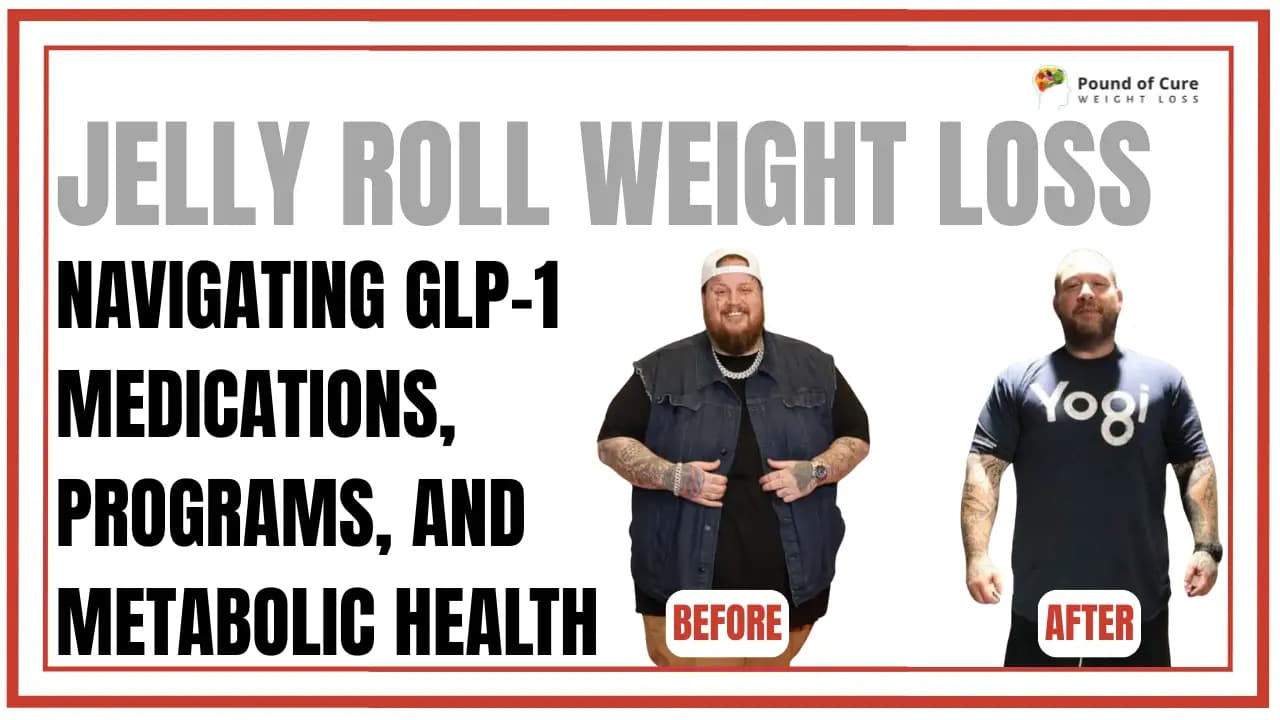
Discover how the Jelly Roll weight loss journey offers insight into GLP-1 medications, weight loss programs, and metabolic health.
Jelly Roll weight loss journeys and the surge in GLP-1 medications like Semaglutide have sparked a wave of interest in modern approaches to weight management. With celebrity stories hitting headlines and new weight loss programs emerging, many are searching for answers about how to lose weight safely and effectively, especially if they’re managing insulin resistance or type 2 diabetes. This article unpacks what’s real, what’s hype, and what science currently says about GLP-1s, weight loss, and metabolic health.
Key Takeaways
- Jelly Roll’s Weight Loss: Reality vs. Hype
- GLP-1 Medications Like Semaglutide: How They Work for Weight Loss
- Understanding the Evidence for Less Frequent GLP-1 Dosing
- Weight Loss Programs: Choosing the Right Support
- Diabetes, Insulin Resistance, and Sustainable Weight Loss
Jelly Roll Weight Loss: Reality vs. Hype
Celebrity transformations often bring both inspiration and confusion. Recently, Jelly Roll made headlines for his dramatic weight loss reportedly shedding about 140 pounds. Unlike many rumors suggesting he turned to medications like Ozempic (a semaglutide), Jelly Roll has stated he achieved his results naturally, choosing not to use weight loss drugs due to health concerns such as acid reflux. (Source)
This highlights an important point: there’s no one-size-fits-all approach. Celebrity stories, popular social media posts, and viral trends can be motivating, but it’s essential to look beyond the headlines and focus on evidence-based options tailored to individual needs.
GLP-1 Medications Like Semaglutide: How They Work for Weight Loss
GLP-1 medications such as semaglutide (Ozempic, Wegovy) and tirzepatide (Mounjaro, Zepbound) are transforming modern obesity treatment. These drugs mimic natural hormones that regulate blood sugar and appetite, helping users feel fuller sooner and eat less. Clinical trials have shown significant average weight loss, sometimes approaching 15% of body weight, in those who stick with the medication and lifestyle changes.
However, users should be aware of common side effects like nausea and the need for ongoing treatment, as stopping the medication may lead to weight regain due to the body’s metabolic “set point.” For detailed safety considerations, see Side Effects of GLP-1 Medication: What to Know Before Starting. (Note: Always consult your healthcare provider before considering medication.)
Understanding the Evidence for Less Frequent GLP-1 Dosing
Recent media headlines have hyped the possibility of less frequent dosing for GLP-1 medications to maintain weight loss. One small study cited in the news had only two participants a reminder that not all studies provide reliable guidance for clinical practice. Robust conclusions require much larger studies and replication. When evaluating claims, be wary of sensationalized coverage and seek advice from evidence-based providers. The reality is, GLP-1 medications often work best with regular, ongoing use, as supported by larger trials.
Weight Loss Programs: Choosing the Right Support
Effective weight loss programs offer more than just medications they also include education, nutrition advice, activity coaching, and sustainable habit change. An example is the “A Pound of Cure” app, which delivers tools and education directly to users. Combining medication with a structured lifestyle program can enhance both short- and long-term outcomes. Research indicates that combining medication with lifestyle interventions improves success rates.
Remember, insurance coverage and access can differ significantly: medications with diabetes indications (like Ozempic) may be covered when prescribed for type 2 diabetes but not necessarily for obesity alone. Understanding your options is crucial; see Does Insurance Cover Weight Loss Medications? What You Need to Know for details on coverage and cost.
Diabetes, Insulin Resistance, and Sustainable Weight Loss
Weight loss is especially meaningful for those with insulin resistance and type 2 diabetes. Sustained weight reduction can improve blood sugar control, lower blood pressure, and normalize cholesterol. In people with prediabetes, clinical studies show that more than 95% can achieve normal blood sugar on GLP-1 medications when paired with lifestyle improvements, compared to 62% with lifestyle alone. Experts note that GLP-1 drugs effectively control blood glucose while reducing body weight.
Managing insulin, an essential hormone for fat storage, is key to preventing weight regain. Long-term success typically requires ongoing medication, nutrition, and activity strategies tailored to metabolic health. Some evidence also suggests weight loss with GLP-1s may lower cancer risk and improve overall quality of life, further underscoring their role as part of a comprehensive plan.
In summary, whether you’re motivated by stories like Jelly Roll’s or exploring advanced treatments like semaglutide, sustainable weight loss relies on individualized care, science-driven programs, and ongoing lifestyle changes, not hype or headlines alone.