Mounjaro Doses Explained: A Bariatric Surgeon's Complete Guide to Mounjaro Dosing
Mounjaro is dosed from 2.5 mg to 15 mg as a once-weekly injection, with dose increases every four weeks. A bariatric surgeon with 20+ years of experience explains what to expect at each dose level and how to optimize your results.
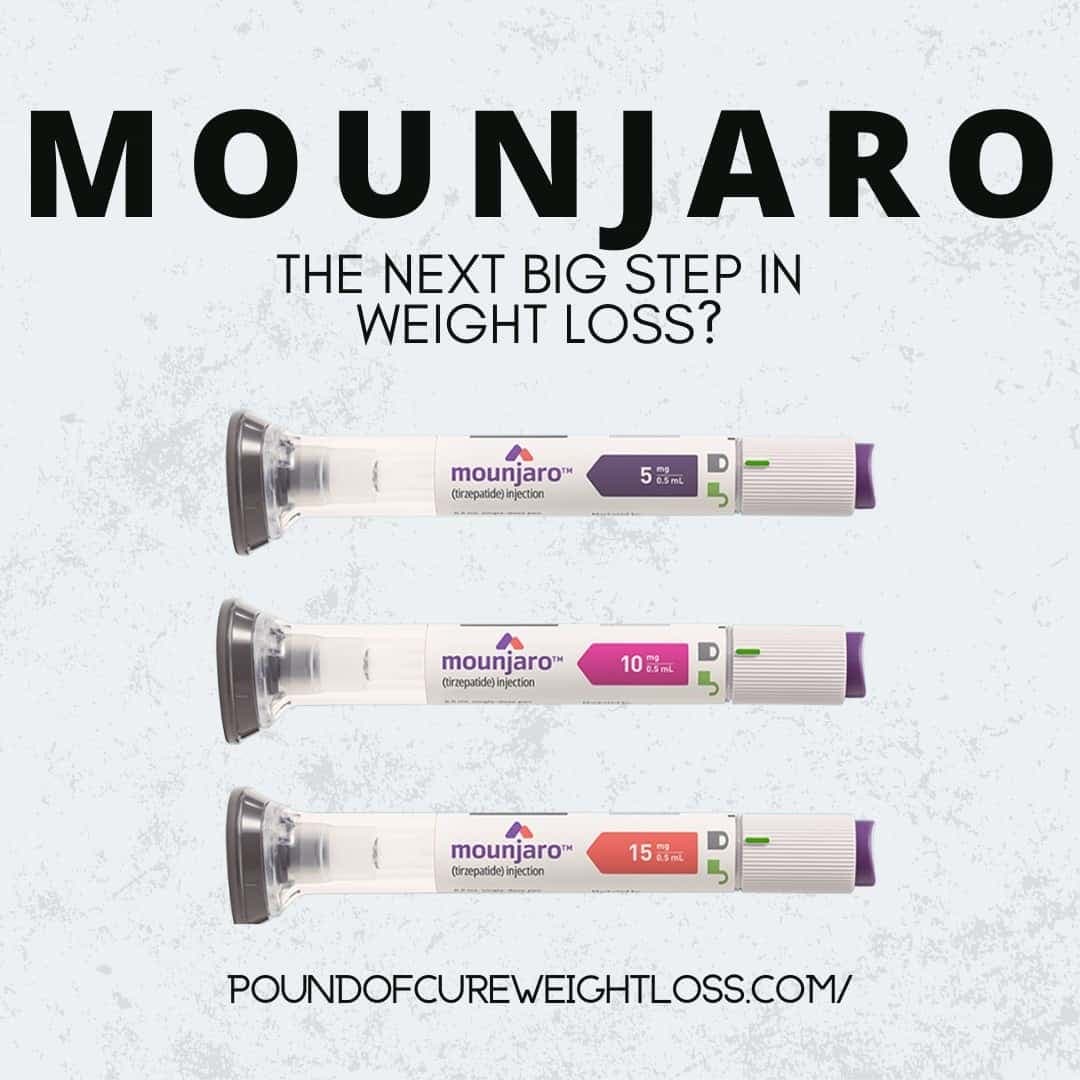
Mounjaro (tirzepatide) is dosed as a once-weekly subcutaneous injection that starts at 2.5 mg and can be titrated up to a maximum of 15 mg. The medication comes in six dose strengths: 2.5 mg, 5 mg, 7.5 mg, 10 mg, 12.5 mg, and 15 mg. Each dose increase happens at a minimum of four-week intervals, meaning it takes at least 20 weeks to reach the highest dose. As a bariatric surgeon who has treated thousands of patients with obesity over more than 20 years, I can tell you that understanding how Mounjaro dosing works is critical to getting the best results with the fewest side effects.
How Does the Mounjaro Dosing Schedule Work?
Mounjaro uses a stepwise titration approach, which simply means you start low and go up gradually. Here is the standard dosing progression:
- Weeks 1 through 4: 2.5 mg once weekly
- Weeks 5 through 8: 5 mg once weekly
- Weeks 9 through 12: 7.5 mg once weekly (if needed)
- Weeks 13 through 16: 10 mg once weekly (if needed)
- Weeks 17 through 20: 12.5 mg once weekly (if needed)
- Week 21 and beyond: 15 mg once weekly (if needed)
The 2.5 mg starting dose is not considered a therapeutic dose for weight loss. It exists purely to let your body adjust to the medication and reduce gastrointestinal side effects like nausea, vomiting, and diarrhea. Think of it as a break-in period. You should not expect significant weight loss during the first month.
At 5 mg, you are at the first therapeutic dose. Many patients begin to notice appetite suppression and early weight loss at this level. From there, your prescribing physician will increase the dose based on your response and how well you tolerate the medication.
What Makes Mounjaro Different From Other GLP-1 Medications?
Mounjaro is unique because it is a dual-action medication. It activates both the GLP-1 receptor and the GIP receptor. Most other GLP-1 medications like semaglutide (Ozempic, Wegovy) only target the GLP-1 receptor. This dual mechanism is thought to be the reason Mounjaro has produced greater average weight loss in clinical trials compared to single-receptor drugs.
In the SURMOUNT-1 trial published in the New England Journal of Medicine in 2022, participants taking the highest dose of tirzepatide (15 mg) lost an average of 22.5% of their body weight over 72 weeks. Those on 10 mg lost about 19.5%, and those on 5 mg lost about 15%. These are remarkable numbers for a medication, and they compare favorably to some surgical outcomes, though bariatric surgery still generally produces more durable and substantial weight loss for patients with severe obesity.
Do You Have to Go Up to the Highest Mounjaro Dose?
Absolutely not. This is one of the most common misunderstandings I see. The goal is to find the dose that gives you adequate appetite suppression and meaningful weight loss with tolerable side effects. For some patients, that is 7.5 mg. For others, it takes 12.5 mg or 15 mg.
I tell my patients: if you are losing weight steadily, your appetite is well-controlled, and you feel good, there is no reason to increase your dose just because a higher one exists. More medication does not always mean better results. It can, however, mean more side effects.
In my practice of more than 4,000 surgeries and extensive experience with weight loss medications, I have seen that the patients who do best are the ones who work closely with their physician to find the right dose rather than rushing to the top.
What Happens at Each Mounjaro Dose Level?
2.5 mg: The Starting Dose
This is your introduction to tirzepatide. Most patients experience mild nausea and possibly some decrease in appetite. You may lose a few pounds, but this dose is primarily about acclimation. Do not get discouraged if the scale does not move much.
5 mg: The First Therapeutic Dose
This is where things start to happen for most people. Appetite suppression becomes more noticeable. You might find that you get full faster at meals and think about food less between meals. Average weight loss in clinical trials began to separate from placebo at this dose. Many patients lose 3 to 5 pounds per month at this level.
7.5 mg: The Middle Ground
A solid dose for many patients. If 5 mg was working but weight loss has stalled, stepping up to 7.5 mg often restarts progress. Side effects may increase slightly, particularly nausea in the first week after dose escalation.
10 mg: Strong Therapeutic Effect
At 10 mg, most patients experience significant appetite suppression. In the SURMOUNT trials, the 10 mg group saw substantial weight loss that was clinically meaningful for reducing obesity-related health conditions like type 2 diabetes, hypertension, and obstructive sleep apnea.
12.5 mg and 15 mg: Maximum Doses
These doses are reserved for patients who need additional appetite suppression or weight loss beyond what lower doses provide. The 15 mg dose produced the highest average weight loss in clinical trials, but it also came with the highest rates of gastrointestinal side effects. Not everyone needs to get here, and not everyone should.
What Are the Most Common Side Effects at Different Doses?
Side effects with Mounjaro are dose-dependent, meaning they generally increase as the dose goes up. The most common issues are gastrointestinal:
- Nausea (most common, affecting up to 30% of patients at higher doses)
- Diarrhea
- Constipation
- Vomiting
- Decreased appetite (which is both a desired effect and sometimes listed as a side effect)
- Abdominal pain
- Injection site reactions
Most side effects are worst during the first one to two weeks after a dose increase and then improve. This is exactly why the titration schedule exists. By going up slowly, you give your body time to adjust at each level.
I advise my patients to eat smaller meals, avoid high-fat or greasy foods, stay well-hydrated, and eat slowly. These simple strategies make a significant difference in tolerability. If nausea is severe, staying at a dose for an extra four weeks before increasing is a reasonable approach.
Serious side effects are rare but can include pancreatitis, gallbladder problems, and severe allergic reactions. Tirzepatide also carries a boxed warning about thyroid C-cell tumors based on animal studies, though this has not been confirmed in humans. Patients with a personal or family history of medullary thyroid cancer or Multiple Endocrine Neoplasia syndrome type 2 should not take Mounjaro.
Can You Stay on a Lower Mounjaro Dose Long-Term?
Yes. If a lower dose is working well for you, staying there is a perfectly reasonable strategy. There is no requirement to titrate to the maximum dose. In clinical practice, I see patients who maintain excellent results on 5 mg or 7.5 mg for extended periods.
The key consideration is that weight loss medications like Mounjaro generally need to be continued to maintain results. The SURMOUNT-4 trial demonstrated that patients who stopped tirzepatide after 36 weeks regained a significant portion of their lost weight over the following year. This is consistent with what we know about obesity as a chronic disease. Stopping treatment often means the biological drivers of weight regain return.
This is also why I always have honest conversations with patients about the long-term plan. For patients with a BMI over 35 or 40, bariatric surgery may offer a more sustainable solution because the anatomical changes are permanent and do not require ongoing medication. For patients with lower BMIs or those who are not surgical candidates, long-term medication management can be an effective approach.
How Should You Time Your Weekly Mounjaro Injection?
Mounjaro is injected once per week on the same day each week. You can choose any day that works for your schedule. The injection can be given at any time of day, with or without food.
If you miss a dose, take it as soon as you remember as long as your next scheduled dose is at least three days away. If it is fewer than three days until your next dose, skip the missed one and resume your regular schedule. Do not double up.
A practical tip I give patients: if you tend to experience nausea after dose increases, consider injecting on a day when you can take it easy. Some patients prefer Friday evenings so any initial nausea falls on the weekend.
Injection sites include the abdomen, thigh, or upper arm. Rotate injection sites with each dose to minimize skin irritation.
How Much Weight Can You Realistically Expect to Lose on Mounjaro?
Based on the SURMOUNT clinical trial data:
- 5 mg dose: approximately 15% of body weight over 72 weeks
- 10 mg dose: approximately 19.5% of body weight over 72 weeks
- 15 mg dose: approximately 22.5% of body weight over 72 weeks
For a 250-pound person, that translates to roughly 37 to 56 pounds depending on the dose. These are averages, which means some patients lose more and some lose less.
In my clinical experience, results vary based on several factors: starting weight, dietary habits, physical activity, metabolic health, and medication adherence. Patients who combine Mounjaro with structured dietary changes and regular exercise tend to perform at the higher end of these ranges.
It is also worth noting that weight loss with Mounjaro is not linear. Most patients see rapid initial weight loss that gradually slows over time. Plateaus are normal and expected. If weight loss stalls for more than six to eight weeks and you are not yet at your goal, a dose increase may be appropriate.
Is Mounjaro the Right Choice for You?
Mounjaro is FDA-approved for type 2 diabetes (under the brand name Mounjaro) and for chronic weight management (under the brand name Zepbound). For weight management, it is approved for adults with a BMI of 30 or greater, or a BMI of 27 or greater with at least one weight-related health condition.
However, medication is not the only tool available. Having performed more than 4,000 bariatric surgeries over my career, I know that the best outcomes happen when patients receive individualized recommendations based on their specific situation. Some patients are best served by medication alone. Some benefit from surgery. Many benefit from a combination approach where medication supports lifestyle changes before or after a surgical procedure.
The right next step is to have a thorough evaluation with a physician experienced in obesity medicine. That evaluation should include a review of your medical history, current medications, prior weight loss attempts, and long-term goals. From there, you can make an informed decision about whether Mounjaro dosing, bariatric surgery, or a combined strategy makes the most sense for your health.