Mounjaro Side Effects, Zepbound Coupons, and the New Wegovy Pill: What You Need to Know in 2025
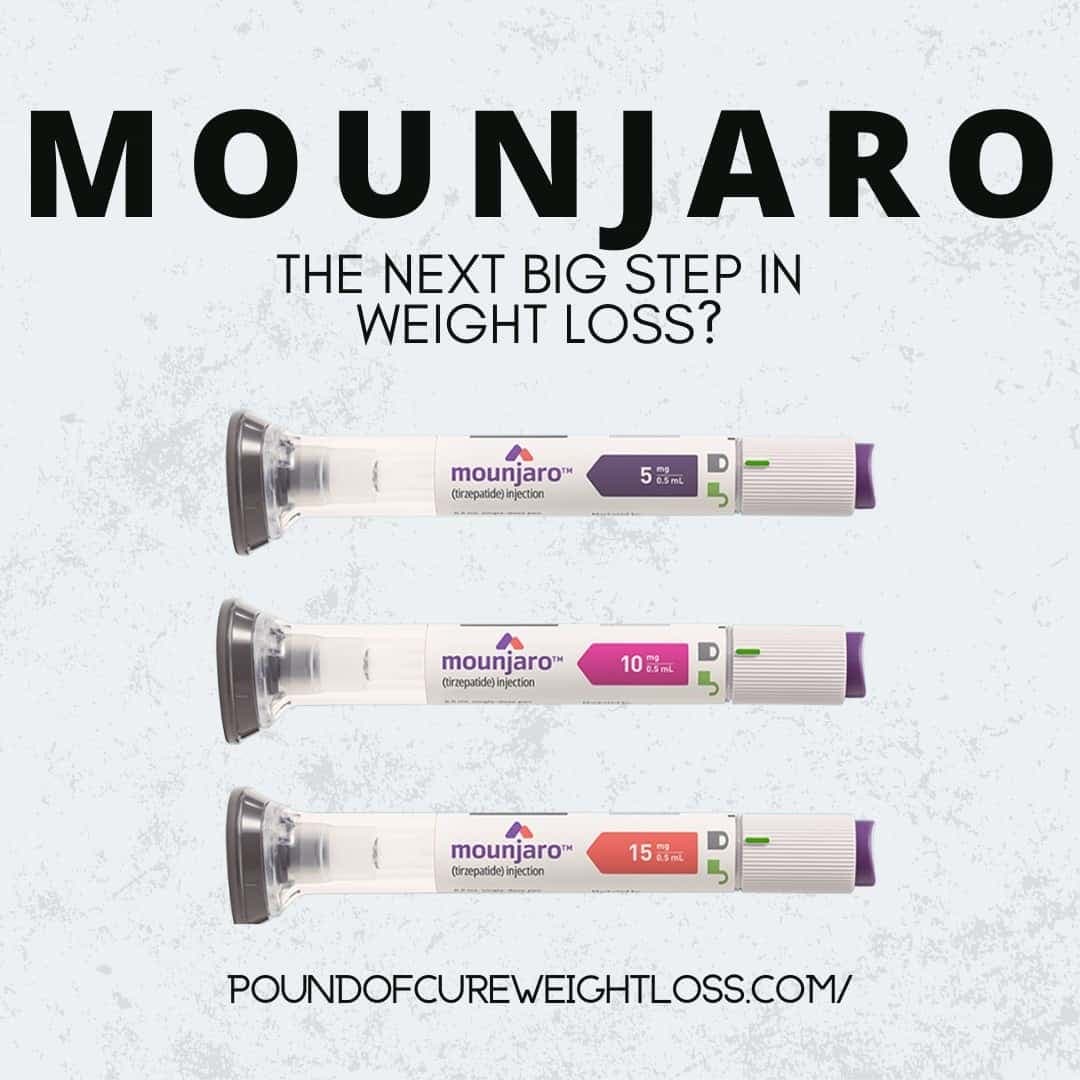
Dr. Weiner provides a thorough overview of Mounjaro side effects, how to use Zepbound coupons to reduce costs, and what the new oral Wegovy pill means for patients seeking alternatives to weekly injections.
If you’re researching weight loss medications right now, you probably have questions about Mounjaro side effects, whether a Zepbound coupon can reduce your costs, and what the new oral Wegovy pill means for patients who hate injections. Here’s the short version: Mounjaro’s most common side effects are gastrointestinal (nausea, diarrhea, constipation), Zepbound savings cards can drop your copay to as low as $25 per month if you have commercial insurance, and the oral form of semaglutide (the same drug in Wegovy) is now available and could change how millions of people take GLP-1 medications. Below, I’ll break down each of these topics in detail based on the clinical evidence and what I see in my own practice.
As a bariatric surgeon who has performed over 4,000 surgeries and worked with GLP-1 medications for years, I talk to patients about these drugs every single day. The information online is often incomplete or misleading, so I want to give you a straightforward, medically grounded overview.
What Are the Most Common Mounjaro Side Effects?
Mounjaro (tirzepatide) is a dual GIP/GLP-1 receptor agonist manufactured by Eli Lilly. It was originally FDA-approved for type 2 diabetes but is now widely prescribed off-label for weight loss. Its weight loss version, Zepbound, contains the exact same drug.
The most commonly reported side effects of Mounjaro, based on clinical trial data from the SURMOUNT and SURPASS studies, include:
- Nausea (occurring in 12-33% of patients depending on the dose)
- Diarrhea (approximately 12-21%)
- Constipation (approximately 6-11%)
- Vomiting (approximately 5-9%)
- Decreased appetite (this is actually the intended effect, but it can feel extreme at higher doses)
- Abdominal pain (approximately 5-8%)
- Injection site reactions (redness, swelling, or itching)
In my clinical experience, the GI side effects are usually worst during the first few weeks on each new dose. Most patients find that their bodies adjust over time. The key is proper dose escalation. If you jump to a higher dose too quickly, the nausea can be significant.
Serious Side Effects That Deserve Attention
While most Mounjaro side effects are mild to moderate, there are some less common but more serious concerns:
- Pancreatitis: Rare, but it has been reported. If you develop severe, persistent abdominal pain that radiates to your back, stop the medication and seek medical attention immediately.
- Gallbladder problems: Rapid weight loss from any cause, including surgery or medication, increases gallstone risk. This is not unique to Mounjaro, but patients should be aware of it.
- Thyroid C-cell tumors: In animal studies, tirzepatide caused thyroid tumors. This has not been confirmed in humans, but the drug carries a boxed warning and should not be used in patients with a personal or family history of medullary thyroid carcinoma or Multiple Endocrine Neoplasia syndrome type 2.
- Gastroparesis-like symptoms: Some patients develop significantly delayed gastric emptying. This is different from the mild fullness most people experience. If you are unable to eat or drink, or if you’re vomiting frequently, your doctor needs to know.
- Hypoglycemia: This is mainly a risk for patients who also take insulin or sulfonylureas for diabetes.
I tell my patients that the side effects of Mounjaro are real, but for most people, they are manageable with proper medical supervision. The benefits of significant weight loss often outweigh these risks, especially for patients dealing with obesity-related conditions like type 2 diabetes, sleep apnea, or joint disease.
How Do You Get a Zepbound Coupon, and Does It Actually Work?
Zepbound is the brand name for tirzepatide when prescribed specifically for weight loss. It is FDA-approved for chronic weight management in adults with a BMI of 30 or higher, or 27 or higher with at least one weight-related condition.
The retail price of Zepbound without insurance is roughly $1,000 to $1,100 per month. That is obviously a barrier for many patients. Here’s what I know about reducing that cost.
The Zepbound Savings Card
Eli Lilly offers a manufacturer savings card (sometimes called a coupon) for Zepbound. As of early 2025, here are the basic terms:
- Patients with commercial insurance that covers Zepbound may pay as little as $25 per month.
- Patients with commercial insurance that does NOT cover Zepbound can use the savings card to pay approximately $550 per month for single doses or less through the Lilly Direct pharmacy.
- The savings card is not available to patients with Medicare, Medicaid, Tricare, or other government-funded insurance.
These terms change frequently, so always check the Lilly website or ask your pharmacy for the most current offer.
Other Ways to Lower Zepbound Costs
Beyond the manufacturer coupon, patients have a few other options:
- Lilly Direct: Eli Lilly launched a direct-to-patient pharmacy program where you can purchase Zepbound at specific cash-pay prices. For some patients, this is cheaper than going through a traditional pharmacy.
- Prior authorization appeal: If your insurance denies coverage, your doctor can often submit a prior authorization with supporting documentation. Success rates vary widely by insurer.
- Compounded tirzepatide: Some compounding pharmacies have been selling tirzepatide at lower prices. However, the FDA has raised concerns about the safety and consistency of compounded versions. As a physician, I urge caution here. You want to know exactly what you’re injecting, and compounded products do not undergo the same quality controls as branded medications.
I understand the frustration with medication costs. For some patients, the math simply doesn’t work, and that’s one reason why bariatric surgery remains an important option. Surgery is typically covered by insurance and provides durable, long-term weight loss without ongoing medication costs.
What Is the Wegovy Pill, and When Can You Get It?
For patients who dislike needles, the oral semaglutide formulation is genuinely exciting news. Semaglutide is the active ingredient in both Ozempic (for diabetes) and Wegovy (for weight loss). Until recently, these were only available as weekly subcutaneous injections.
Novo Nordisk has developed an oral form of semaglutide. A lower-dose version has been available for years as Rybelsus (for type 2 diabetes, dosed at 3mg, 7mg, or 14mg), but the weight loss doses are significantly higher.
The Clinical Evidence for Oral Semaglutide at Weight Loss Doses
The OASIS 1 clinical trial, published in The Lancet in 2023, studied oral semaglutide at a dose of 50mg daily for weight loss. The results were impressive:
- Participants lost an average of 15.1% of their body weight over 68 weeks, compared to 2.4% in the placebo group.
- The side effect profile was similar to injectable semaglutide, with nausea being the most common complaint.
- The weight loss was comparable to what we see with injectable Wegovy (around 15-17% in the STEP trials).
This is significant because it means patients may be able to achieve similar results without weekly injections. However, there are important practical considerations.
Practical Considerations for the Oral Wegovy Pill
Dosing requirements are strict. Oral semaglutide must be taken on an empty stomach with no more than 4 ounces of plain water. You then need to wait at least 30 minutes before eating, drinking, or taking other medications. The reason is that semaglutide is a peptide, and food or excess liquid interferes with its absorption in the stomach.
In my experience with patients taking Rybelsus, compliance with these dosing instructions is harder than people expect. If you eat breakfast right after taking it, or if you take it with coffee, you won’t absorb the drug properly. The injection, by contrast, is once a week and doesn’t have these absorption concerns.
Availability and timeline. As of mid-2025, the higher-dose oral semaglutide for weight loss is moving through the FDA approval process. Novo Nordisk has indicated they expect to bring it to market, but specific launch dates depend on regulatory decisions. Patients should check with their doctors for the latest updates.
Cost is still unknown. Pricing for the oral Wegovy formulation has not been finalized. Given that injectable Wegovy costs over $1,300 per month at retail, and Rybelsus is not cheap either, I would not expect the oral version to be dramatically less expensive.
How Do These Medications Compare to Bariatric Surgery?
This is a question I get constantly, and I think it deserves an honest answer.
GLP-1 medications like Mounjaro, Zepbound, and Wegovy are effective. The clinical data is clear. But there are important differences between medications and surgery that patients should understand:
- Weight loss magnitude: Bariatric surgery, particularly gastric bypass and sleeve gastrectomy, typically produces 25-35% total body weight loss. GLP-1 medications produce 15-22% on average. For patients with severe obesity, that difference matters.
- Durability: Surgery produces weight loss that is maintained for decades in most patients. When patients stop GLP-1 medications, studies show that approximately two-thirds of the lost weight is regained within one year. This means most patients need to take these drugs indefinitely.
- Cost over time: A one-time surgery (usually covered by insurance) versus monthly medication costs for years or potentially a lifetime. The long-term economics strongly favor surgery for patients who qualify.
- Diabetes remission: Both approaches improve diabetes, but bariatric surgery achieves complete diabetes remission at higher rates (60-80% depending on the procedure) compared to medications.
I don’t see this as an either/or situation. In my practice, I sometimes use GLP-1 medications in combination with surgery, either before surgery to help patients lose weight preoperatively, or after surgery if patients experience weight regain. The best approach depends on the individual patient.
What Should You Do If You’re Considering These Medications?
Here’s my practical advice, drawn from 20 years of helping patients with weight management:
Start with a proper medical evaluation. These are prescription medications with real risks. You need bloodwork, a thorough medical history, and a provider who understands obesity medicine. Online telehealth mills that prescribe these drugs after a five-minute questionnaire concern me greatly.
Be realistic about side effects. If you start Mounjaro or Zepbound, expect some nausea during dose increases. Have a plan. Eat small meals, stay hydrated, and communicate with your prescribing doctor if side effects are interfering with your daily life.
Understand the financial commitment. Before starting, verify your insurance coverage and explore all available savings options, including the Zepbound coupon. If you cannot afford the medication long-term, you may be setting yourself up for a cycle of weight loss and regain.
Consider all your options. If your BMI is 35 or higher, or if it’s 30 or higher with obesity-related health conditions, bariatric surgery may be a more effective and cost-efficient long-term solution. I encourage every patient to at least learn about their surgical options before committing to lifelong medication.
Don’t wait for the perfect drug. The oral Wegovy pill will be a great option for some patients, but it is not yet widely available. If you need help now, work with what’s available today.
If you’re struggling with obesity and want to understand which approach makes the most sense for your specific situation, the most important step is having an honest conversation with a physician who understands both medical and surgical weight loss options.