Mounjaro vs Ozempic: A Bariatric Surgeon's Honest Comparison
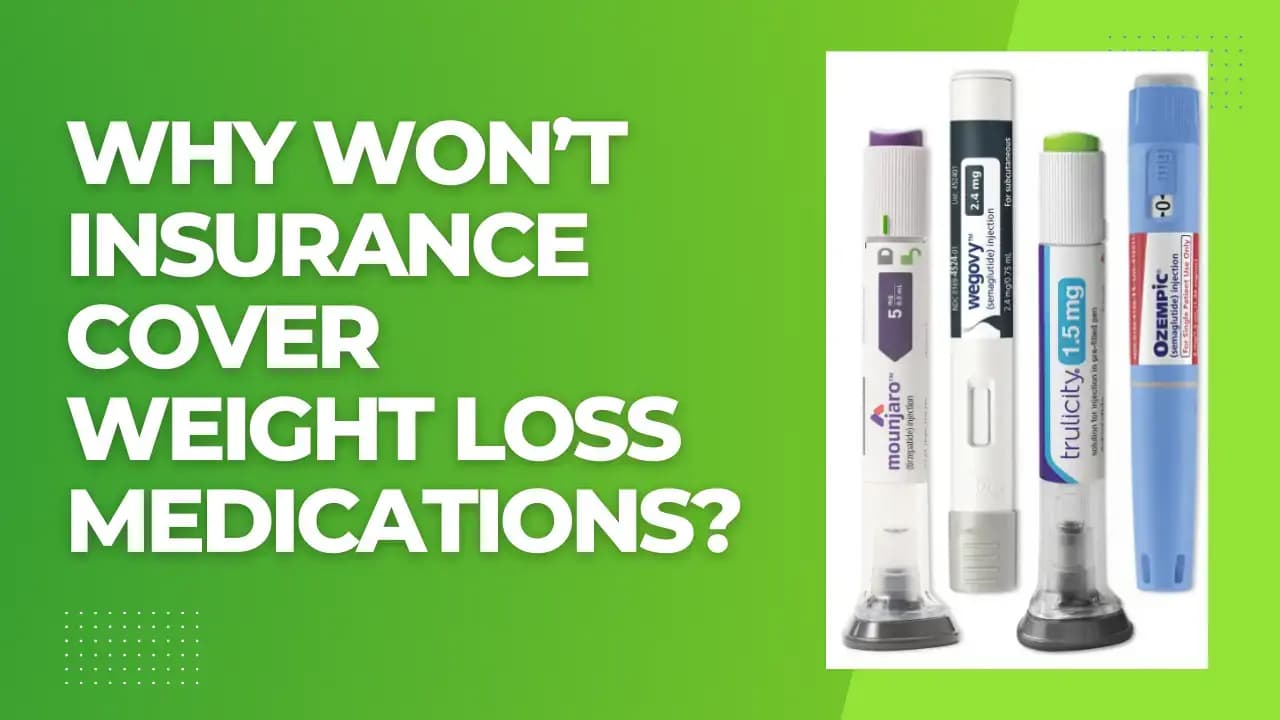
Mounjaro and Ozempic are both GLP-1 based medications used for weight loss and type 2 diabetes, but they work differently and produce different results. Dr. Weiner breaks down the clinical data, cost considerations, and how these medications compare to surgical options.
Mounjaro (tirzepatide) and Ozempic (semaglutide) are both injectable medications that activate GLP-1 receptors in the body, but they are not the same drug and they do not produce the same results. Mounjaro targets two receptors (GLP-1 and GIP), while Ozempic targets only one (GLP-1). In clinical trials, Mounjaro consistently produces more weight loss than Ozempic. Both medications are also used for type 2 diabetes management, though their branded names differ depending on the indication. As a bariatric surgeon who has performed over 4,000 weight loss procedures across more than 20 years, I have seen firsthand how these medications fit into the broader picture of weight management, and where they fall short.
How Do Mounjaro and Ozempic Actually Work?
Both medications belong to a class of drugs known as GLP-1 medications. They mimic a natural hormone called GLP-1, which your gut produces after you eat. GLP-1 slows stomach emptying, signals your brain that you are full, and helps regulate blood sugar by stimulating insulin release.
Here is where they differ:
- Ozempic (semaglutide) activates only the GLP-1 receptor. It was originally developed and FDA-approved for type 2 diabetes management. Wegovy is the same molecule at a higher dose, approved specifically for chronic weight management.
- Mounjaro (tirzepatide) activates both the GLP-1 receptor and the GIP (glucose-dependent insulinotropic polypeptide) receptor. This dual action appears to provide additional metabolic benefits. Zepbound is the weight loss branded version of tirzepatide.
The dual-receptor approach of tirzepatide is thought to be the reason it outperforms semaglutide in weight loss trials. GIP receptors play a role in fat metabolism and energy balance that we are still learning about, but the clinical results speak clearly.
How Much Weight Can You Lose on Mounjaro vs Ozempic?
The most relevant head-to-head data comes from the SURMOUNT and STEP trial programs, as well as direct comparison studies.
In the SURMOUNT-1 trial, patients on the highest dose of tirzepatide (15mg) lost an average of 22.5% of their total body weight over 72 weeks. That is roughly 50 to 60 pounds for someone starting at 250 pounds.
In the STEP 1 trial, patients on semaglutide 2.4mg lost an average of about 15% of their total body weight over 68 weeks. For that same 250-pound person, that translates to roughly 37 to 38 pounds.
A direct comparison trial published in the New England Journal of Medicine in 2023 confirmed that tirzepatide produced statistically greater weight loss than semaglutide at comparable timepoints.
These are averages. Some patients lose considerably more, and some lose less. Individual response varies based on genetics, diet, activity level, starting weight, and other medications.
For context, bariatric surgery typically produces 25-35% total body weight loss that is sustained over many years. Gastric sleeve patients average about 25-30%, and gastric bypass patients average about 30-35%. The durability of surgical weight loss remains significantly better than what we see with medications alone.
Ozempic for Type 2 Diabetes: What You Need to Know
Ozempic was first and foremost a diabetes medication. Novo Nordisk developed semaglutide to help people with type 2 diabetes achieve better blood sugar control, and it does this very well.
In the SUSTAIN trial program, Ozempic reduced HbA1c (a three-month average of blood sugar levels) by 1.5 to 1.8 percentage points. For a patient with an HbA1c of 8.5%, that could bring them down to the 6.7-7.0% range, which is a meaningful clinical improvement.
The weight loss that accompanied blood sugar improvement was considered a beneficial side effect, which eventually led Novo Nordisk to develop Wegovy at a higher dose specifically for weight management.
Mounjaro also has strong diabetes data. In the SURPASS trial program, tirzepatide reduced HbA1c by up to 2.4 percentage points, which is substantially more than semaglutide. Many patients on the highest dose of tirzepatide achieved an HbA1c below 5.7%, which is technically in the normal, non-diabetic range.
If you have type 2 diabetes and are considering one of these medications, the data favors tirzepatide for both blood sugar control and weight loss. However, insurance coverage, cost, and your specific medical history all factor into which medication your doctor recommends.
What Is Lilly Direct Zepbound and How Does It Work?
One of the biggest barriers to these medications is cost. Without insurance, Ozempic and Mounjaro can run over $1,000 per month. Many insurance plans still refuse to cover weight loss medications, creating a frustrating situation for patients who need them.
Eli Lilly launched Lilly Direct as a response to this problem. Lilly Direct is an online platform where patients can access Zepbound (tirzepatide for weight loss) and other Lilly medications, sometimes at significantly reduced prices.
Here is how it works:
- You visit the Lilly Direct website (LillyDirect.com)
- You complete a health screening and telehealth consultation
- If a provider determines you are a candidate, you receive a prescription
- The medication ships directly to you through an affiliated pharmacy
Lilly has offered single-dose vials of Zepbound at lower price points than the standard auto-injector pens. As of recent pricing, some doses have been available for around $399 per month through the program, compared to the list price of roughly $1,060.
This is still expensive. But for patients who cannot get insurance coverage, Lilly Direct has made Zepbound more accessible than it was before. Novo Nordisk has not launched a comparable direct-to-patient program for Wegovy, though various telehealth companies and compounding pharmacies have stepped in to fill that gap with semaglutide.
I want to be direct about something: compounded versions of these medications are not FDA-approved and are not subject to the same manufacturing standards. If you are considering a compounded version, discuss it with your doctor first.
Side Effects: What My Patients Actually Experience
Both medications cause gastrointestinal side effects, especially during the dose titration phase when you are gradually increasing the dose every few weeks.
The most common complaints I hear from patients:
- Nausea: This is the number one complaint. It tends to be worst in the first two to four weeks at each new dose level and then improves.
- Constipation or diarrhea: These can alternate. Staying hydrated and eating fiber-rich foods helps.
- Decreased appetite: This is technically the mechanism of action, not a side effect. But some patients find it unsettling when they simply have no interest in food.
- Fatigue: Some patients report feeling tired, especially early on. This may be related to eating significantly fewer calories.
- Acid reflux: The slower stomach emptying can worsen reflux symptoms in patients who are already prone to them.
More serious but uncommon risks include pancreatitis, gallbladder problems (particularly gallstones, which can occur with rapid weight loss from any cause), and potential thyroid concerns. Both medications carry a boxed warning about medullary thyroid carcinoma based on animal studies, though this has not been clearly demonstrated in humans.
In my clinical experience, Mounjaro and Ozempic have similar side effect profiles. Some patients tolerate one better than the other, so switching between them is reasonable if side effects are limiting.
What Happens When You Stop Taking These Medications?
This is the question I get asked most often, and the answer is not what most people want to hear.
The STEP 1 extension trial followed patients who stopped semaglutide after 68 weeks of treatment. Within one year of stopping, participants regained about two-thirds of the weight they had lost. Similar rebound patterns have been observed with tirzepatide in extension studies.
This does not mean the medications are useless. For many patients, they provide a window of improved health, better blood sugar control, reduced cardiovascular risk, and improved quality of life. But the current evidence strongly suggests that most people need to stay on these medications indefinitely to maintain their weight loss.
That is a significant commitment, both financially and practically. A monthly injection for the rest of your life, potential side effects, ongoing costs, and the possibility of medication shortages all factor in.
This is one of the main reasons I continue to recommend bariatric surgery for patients with significant obesity. Surgery produces durable weight loss that persists for decades in most patients. It does not require a monthly prescription. The metabolic changes from surgery, particularly gastric bypass, fundamentally alter gut hormone signaling in ways that these medications try to replicate pharmacologically.
How Do These Medications Compare to Bariatric Surgery?
I want to be fair and balanced about this because I believe medications and surgery both have important roles.
Weight loss medications like Mounjaro and Ozempic are good options when: - You have a BMI of 27-35 with metabolic complications - You are not ready for or not interested in surgery - You have a relatively modest amount of weight to lose (30-60 pounds) - You can afford and access the medication long-term
Bariatric surgery is generally the better option when: - You have a BMI over 35, especially over 40 - You have obesity-related health conditions like type 2 diabetes, sleep apnea, or joint disease - You have tried medications and other approaches without lasting success - You want a one-time intervention with long-term results rather than lifelong medication
Some of my patients use GLP-1 medications as a bridge to surgery, or as a complement after surgery if they experience some weight regain. These are not either-or decisions in many cases.
Over my career of more than 4,000 surgeries, I have seen patients transform their health in ways that medications alone rarely achieve. That said, I have also seen patients do very well on tirzepatide or semaglutide, particularly those whose weight challenges are more moderate.
Which Medication Should You Choose?
If you are deciding between Mounjaro and Ozempic, here is my straightforward take:
- For maximum weight loss: Mounjaro (tirzepatide) has better data.
- For type 2 diabetes: Mounjaro also has an edge here, with greater HbA1c reductions.
- For cost and access: This depends entirely on your insurance. Some plans cover Ozempic for diabetes but not Mounjaro. Lilly Direct may offer better cash pricing for Zepbound.
- For availability: Ozempic and Wegovy have had persistent shortages. Mounjaro and Zepbound have had their own supply issues. Check current availability before committing.
Neither medication is a magic solution. Both work best when combined with dietary changes, physical activity, and behavioral support.
The Bottom Line
Mounjaro and Ozempic are effective tools for weight loss and type 2 diabetes management. The clinical data favors tirzepatide (Mounjaro/Zepbound) for both indications, but semaglutide (Ozempic/Wegovy) remains a solid option with more years of real-world safety data behind it. Programs like Lilly Direct have improved access to Zepbound for patients paying out of pocket, though cost remains a significant barrier for many.
If you are considering these medications, talk to a physician who understands obesity medicine and can help you weigh the pros and cons in the context of your complete health picture. If you have a BMI over 35 or have struggled with weight for years, I would also encourage you to learn about bariatric surgery as a proven, durable alternative. The best treatment is the one that gives you lasting results, and that looks different for every patient.