Protein Intake After Bariatric Surgery: Building Muscle with Plant-Based and Animal Protein Options
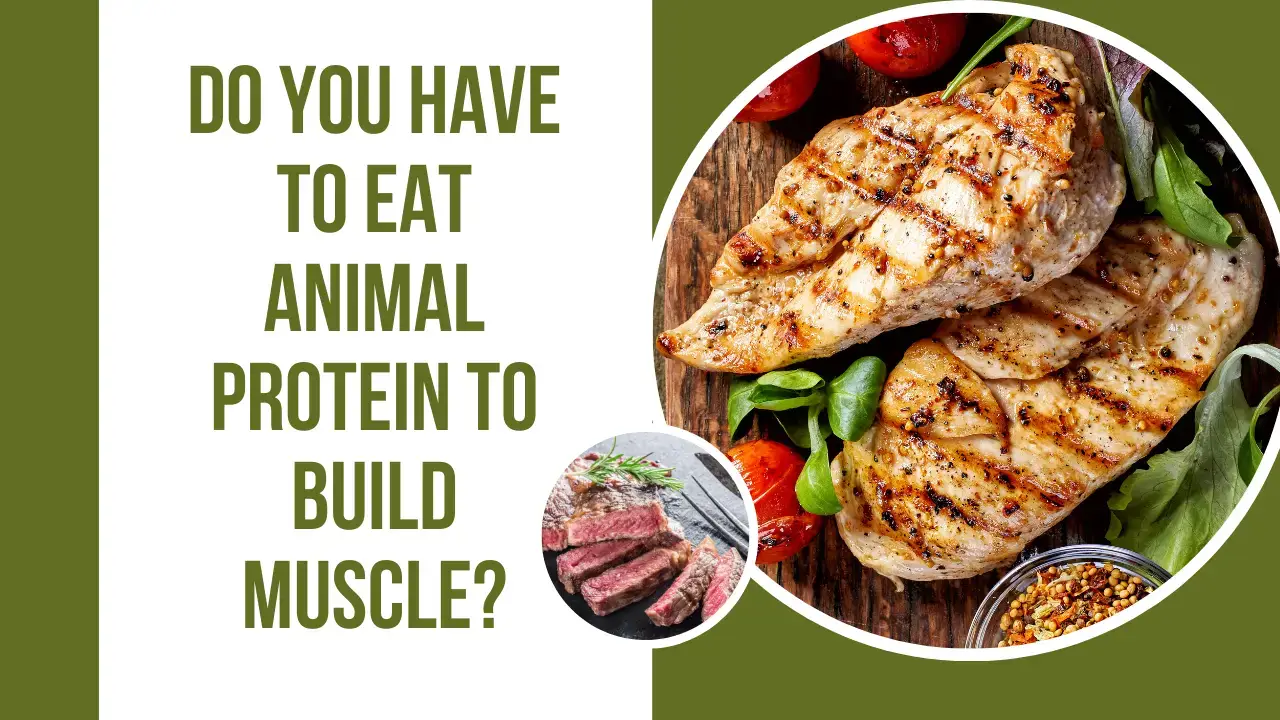
Protein Intake After Bariatric Surgery: Essential tips to build muscle with plant and animal proteins, optimizing recovery despite reduced stomach capacity.
If you’ve had bariatric surgery, you already know that getting enough protein is crucial for healing and muscle maintenance. But with a reduced stomach capacity, meeting your protein needs becomes more challenging. This article provides an in-depth look at how to maintain and build muscle with both plant-based and animal protein options, explores creative ways to meet protein goals, and emphasizes the benefits of adding plant-based sources to optimize your recovery.
Why Protein is Vital for Building Muscle After Bariatric Surgery
Protein intake is essential to preserve muscle tissue, especially when weight loss occurs rapidly, as it often does after bariatric surgery or with GLP-1 medications like Wegovy and Zepbound. Rapid weight loss can put you at risk of protein malnutrition, as your body loses both fat and muscle. By focusing on protein, you support your muscles, prevent muscle loss, and help prevent malnutrition during the “honeymoon” phase of fast weight loss.
Balancing Protein Sources: Animal vs. Plant-Based Options
While animal proteins like chicken, fish, and eggs provide concentrated protein in smaller portions (perfect for your reduced stomach capacity), plant-based protein options are equally capable of supporting muscle growth. Even though it may require some creativity to meet your protein needs with plant-based sources alone, this approach can be just as effective, and it can help you introduce the phytonutrients found only in plants.
Optimizing Protein Intake After Bariatric Surgery
The recommended protein intake after bariatric surgery is generally around 60 to 80 grams per day, though individual needs vary based on factors like weight and muscle mass. The key is to ensure that each meal and snack includes a protein source, especially during the early post-op months when your stomach capacity is smallest.
How Much Weight Will I Lose after Bariatric Surgery? Take a Quiz
.jotform-iframe { min-width:100%; max-width:100%; border:none; padding:0px; @media only screen and (max-width: 768px) { min-height:650px; height:650px; margin-top:-75px!important; } @media only screen and (min-width: 769px) { min-height:500px; height:500px; }
window.jotformEmbedHandler(“iframe[id=’JotFormIFrame-242017094653151’]”, “https://form.jotform.com/”)
High-Quality Protein in Small Portions
Animal proteins like lean chicken, fish, and Greek yogurt are efficient protein sources because they pack more protein per ounce than many plant-based sources. This can make it easier to meet protein needs without feeling overly full. However, that doesn’t mean you can’t achieve your protein goals with plant-based options — it just requires some creativity.
Building Muscle on a Plant-Based Diet After Bariatric Surgery
There’s a misconception that animal protein is necessary for muscle growth, but that’s not the case. Many elite athletes and bodybuilders follow plant-based diets, achieving impressive muscle mass without animal products. In fact, some of the largest land animals, like elephants and gorillas, thrive on plant-based diets, relying solely on plants for their strength and endurance.
Plant-Based Protein Sources to Consider
If you’re pursuing a plant-based diet, include a variety of protein-rich options like:
- Beans and Legumes: Black beans, chickpeas, and lentils are all excellent choices.
- Nuts and Seeds: Almonds, chia seeds, and sunflower seeds offer healthy fats and protein.
- Soy-Based Foods: Tofu and tempeh are complete protein sources that provide all essential amino acids.
- Pea Protein Powder: Adding a scoop of pea protein powder to smoothies or soups can significantly boost protein intake without adding bulk.
These options allow you to vary your protein sources, ensuring that you consume the full spectrum of amino acids needed to support muscle growth and overall health.
Protein to Build Muscle: Combining Plant and Animal Proteins
Some people find a middle ground by combining animal and plant-based proteins, a method that can maximize protein quality and phytonutrient intake. Animal protein sources can offer protein density in small amounts, while plant-based sources add fiber and essential micronutrients. Mixing these protein sources can support muscle while taking full advantage of the unique nutrients found only in plants, such as resveratrol and other phytonutrients that support metabolism and overall health.
Creative Ways to Include Protein in Every Meal
- Smoothies with Protein Powder: Start your day with a smoothie that includes a scoop of pea or hemp protein powder, almond milk, and a handful of spinach or kale.
- Greek Yogurt with Nuts and Seeds: Greek yogurt is a high-protein food that pairs well with chia seeds and a sprinkle of almond slices for a balanced snack.
- Stuffed Peppers or Zucchini with Lentils: Use lentils or beans to create a filling for vegetables like bell peppers, zucchini, or eggplant, and season with spices for a satisfying, protein-rich dish.
- Tofu Stir-Fry: Stir-frying tofu with a mix of vegetables adds protein while allowing you to enjoy the flavors and textures of a colorful plant-based meal.
Meeting Protein Goals with a Plant-Based Diet
Pea protein powder is a particularly versatile option because it can be easily incorporated into both sweet and savory dishes. Its neutral flavor works well in smoothies, soups, and even casseroles. Pea protein is also a complete protein, making it an excellent choice for those following a plant-based diet after bariatric surgery.
Small, Frequent Meals for Consistent Protein Intake
After bariatric surgery, you’ll need to eat smaller, more frequent meals to meet your nutritional needs. Here’s a sample meal plan to help guide you:
- Breakfast: Smoothie with pea protein powder, spinach, a handful of berries, and almond milk.
- Mid-Morning Snack: Greek yogurt with chia seeds and a sprinkle of almonds (opt for dairy-free yogurt if preferred).
- Lunch: Lentil and vegetable soup, seasoned with spices for added flavor.
- Afternoon Snack: Handful of mixed nuts or an apple with almond butter.
- Dinner: Grilled tofu stir-fry with bell peppers, carrots, and broccoli.
The Importance of Phytonutrients in Plant-Based Diets
Beyond protein, plants offer a rich variety of phytonutrients that play essential roles in health and wellness. These include compounds like resveratrol, which supports cellular health, and flavonoids, which help regulate inflammation. Incorporating a variety of plants helps ensure you don’t miss out on these nutrients, which are especially valuable during the recovery and weight-loss phase post-op.
Supplementing Protein Intake
To ensure you’re getting enough protein, consider a plant-based protein powder or other convenient supplements. Most bariatric patients, especially in the early months post-op, find that adding a supplement supports their protein goals without causing discomfort. Options like unsweetened pea protein powder or even a small whey protein shake can help bridge any nutritional gaps as you transition to a more plant-based, whole-foods diet.
FAQs About Protein and Muscle Building After Bariatric Surgery
- Can I build muscle on a plant-based diet after bariatric surgery?
Yes! With a variety of protein sources and a focus on nutrient-dense foods, you can build and maintain muscle on a plant-based diet. Adding foods like beans, lentils, nuts, seeds, and soy products offers plenty of protein options. - Do I need to eat animal protein to get enough protein after surgery?
Not necessarily. While animal proteins are more protein-dense, making them useful for those with limited stomach capacity, plant-based proteins can absolutely meet your needs if you’re creative and consistent with meal planning. - Should I use a protein supplement after bariatric surgery?
For many patients, protein supplements like whey, pea or hemp protein powder can be helpful, especially early on. These can be added to smoothies, soups, and even savory dishes to increase protein intake without overwhelming your stomach.
Final Thoughts on Protein Intake After Bariatric Surgery
Meeting your protein needs after bariatric surgery doesn’t have to be difficult or require a rigid focus on animal protein. With a balanced approach that includes a variety of plant-based options — and possibly some lean animal proteins — you can achieve your muscle-building goals while enjoying a nutritionally complete diet. Adding a variety of protein-rich foods will keep your meals interesting and satisfying while providing essential nutrients to support your recovery and long-term health.