Wegovy Coupons, Mounjaro Coupon, and Zepbound Doses: A Bariatric Surgeon's Practical Guide
A bariatric surgeon with 20+ years of experience breaks down Wegovy coupons, Mounjaro coupon programs, Zepbound dose schedules, and practical strategies for reducing out-of-pocket costs on GLP-1 weight loss medications.
If you’re looking for Wegovy coupons, a Mounjaro coupon, or information about Zepbound doses, you’re not alone. These three medications are among the most effective weight loss drugs ever developed, but their cost is a real barrier for many patients. Wegovy savings cards can reduce your monthly cost to as little as $0 for commercially insured patients, Mounjaro offers a similar coupon program, and Zepbound is dosed in a stepwise fashion from 2.5 mg up to 15 mg per week. In my 20-plus years as a bariatric surgeon with over 4,000 procedures performed, I’ve watched these GLP-1 medications transform how we treat obesity. But the medications only work if you can actually afford them and take them correctly. This article covers exactly what you need to know.
How Much Do Wegovy, Mounjaro, and Zepbound Actually Cost?
Let me be blunt: these medications are expensive without help. Here’s what you’re looking at without insurance or a coupon:
- Wegovy (semaglutide): Approximately $1,300 to $1,400 per month
- Mounjaro (tirzepatide): Approximately $1,000 to $1,200 per month
- Zepbound (tirzepatide): Approximately $1,000 to $1,060 per month
These prices are the list prices, meaning what you’d pay if you walked into a pharmacy with no insurance and no coupon. The good news is that most people don’t have to pay full price. Between manufacturer savings programs, insurance coverage, and other strategies, the actual out-of-pocket cost varies enormously from patient to patient.
Where Can You Find Wegovy Coupons?
Novo Nordisk, the company that makes Wegovy, offers a savings card program that can significantly reduce your costs. Here’s how it works:
The Wegovy Savings Card
If you have commercial health insurance (meaning not Medicare, Medicaid, or Tricare), you may be eligible for the Wegovy Savings Offer. With this program, eligible patients can pay as little as $0 per 28-day supply for up to 13 fills. After the initial savings period, the offer may still reduce your copay, though the exact amount depends on your insurance plan.
To get the savings card, you can visit the Wegovy website directly or ask your prescribing physician’s office for help enrolling. The card works at most major pharmacies.
What If You Don’t Have Commercial Insurance?
This is where things get harder. If you’re on Medicare or a government-funded plan, you are not eligible for the manufacturer savings card. Your options include:
- Patient assistance programs: Novo Nordisk offers a program called NovoCare that may provide Wegovy at no cost for qualifying uninsured or underinsured patients.
- Pharmacy discount programs: GoodRx and similar platforms sometimes offer modest discounts, though they rarely bring the price below $900 per month for Wegovy.
- Prior authorization through insurance: Many commercial plans cover Wegovy but require a prior authorization. Your doctor’s office submits documentation showing medical necessity, and if approved, your copay may be manageable.
I tell my patients that step one is always checking with your insurance plan directly. Call the number on the back of your card and ask specifically about coverage for semaglutide (Wegovy) for weight management. The answer you get will determine your best strategy.
How Does the Mounjaro Coupon Program Work?
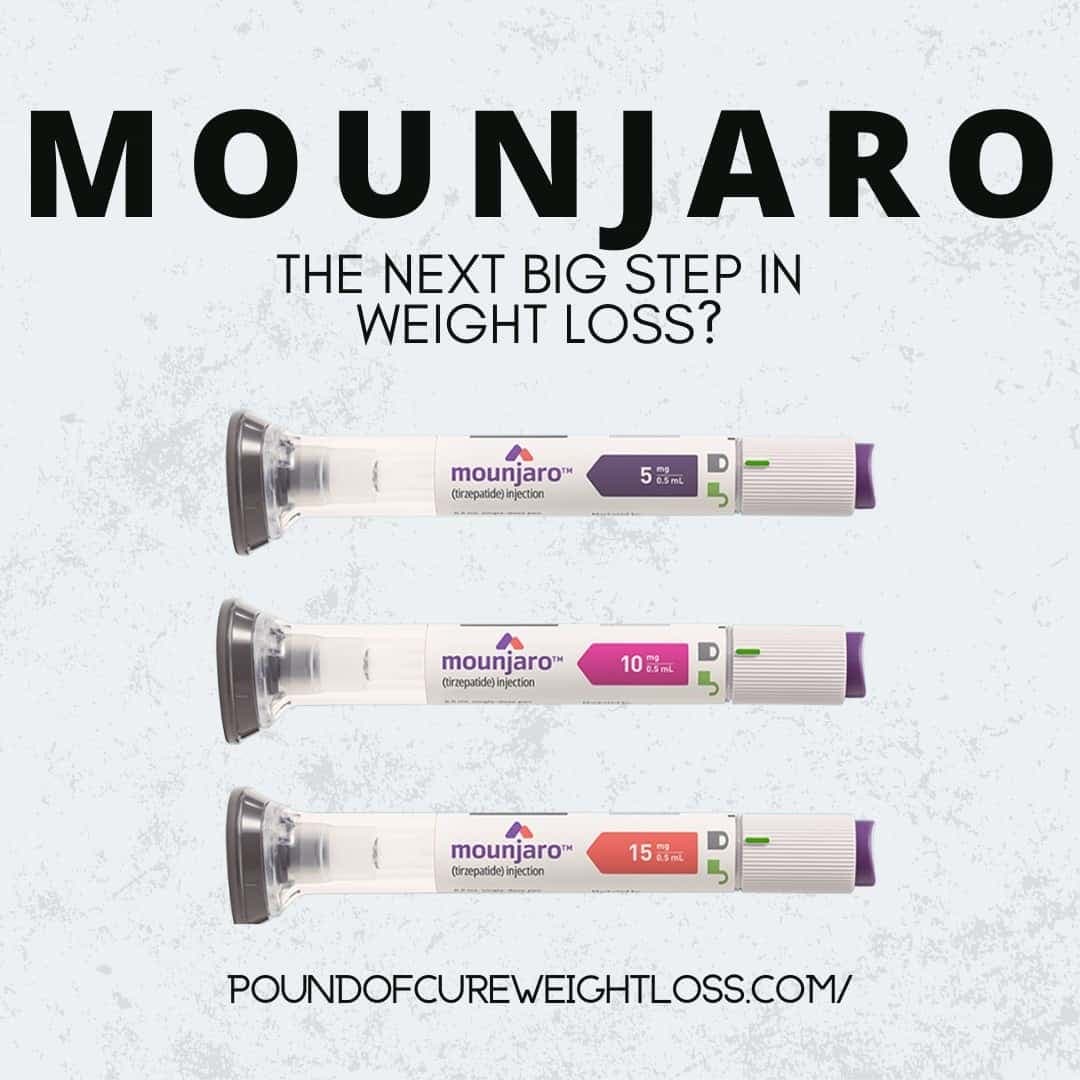
Mounjaro, made by Eli Lilly, is FDA-approved for type 2 diabetes but is widely prescribed off-label for weight loss. The active ingredient, tirzepatide, is the same molecule in Zepbound (which is FDA-approved specifically for weight loss).
The Mounjaro Savings Card
Eli Lilly has offered a savings card program for Mounjaro that has changed over time. Initially, the program was extremely generous, allowing patients to pay as little as $25 per month regardless of insurance status. That program has been scaled back.
As of the most recent updates, the Mounjaro savings card is available to patients with commercial insurance. The specific savings depend on your plan’s formulary coverage:
- If your insurance covers Mounjaro, the savings card can reduce your copay to as low as $25 per month.
- If your insurance does not cover Mounjaro, the savings card may still provide a discount, but your out-of-pocket cost will be higher.
The terms of these programs change frequently, so I recommend checking the Mounjaro website or calling Eli Lilly directly for the most current offer. Your pharmacist can also run the savings card at the time of pickup to see what discount applies.
Mounjaro vs. Zepbound: Which Coupon Should You Use?
This is a common point of confusion. If your goal is weight loss and you don’t have type 2 diabetes, Zepbound is technically the appropriate prescription because it’s the FDA-approved weight loss version of tirzepatide. However, some insurance plans cover Mounjaro (for diabetes) but not Zepbound (for weight loss), or vice versa. Your doctor can help you figure out which medication and which savings program gives you the best financial outcome.
What Are the Zepbound Doses and How Does the Dose Schedule Work?
Zepbound (tirzepatide) is administered as a once-weekly subcutaneous injection. The dosing follows a specific escalation schedule designed to minimize side effects, particularly nausea and gastrointestinal discomfort.
The Zepbound Dose Escalation Schedule
Here’s the standard dosing protocol:
- Weeks 1 through 4: 2.5 mg once weekly (this is the starting dose, primarily for tolerability)
- Weeks 5 through 8: 5 mg once weekly
- Weeks 9 through 12: 7.5 mg once weekly (optional intermediate step)
- Weeks 13 through 16: 10 mg once weekly
- Weeks 17 through 20: 12.5 mg once weekly (optional intermediate step)
- Week 21 and beyond: 15 mg once weekly (maximum dose)
The 2.5 mg dose is not really a therapeutic dose for weight loss. Think of it as a break-in period for your body. Most of the significant weight loss begins at the 5 mg dose and increases as you titrate up.
Does Everyone Need the Maximum 15 mg Dose?
No. In my clinical experience, many patients achieve excellent results at 10 mg or even 7.5 mg. The goal is to find the lowest effective dose that produces meaningful weight loss with tolerable side effects. Going to 15 mg makes sense if you’ve plateaued at lower doses and are tolerating the medication well, but it’s not mandatory.
The SURMOUNT-1 clinical trial, published in the New England Journal of Medicine in 2022, showed that patients on the 15 mg dose lost an average of 22.5% of their body weight over 72 weeks, compared to 19.5% on the 10 mg dose and 15% on the 5 mg dose. These are remarkable numbers, but the difference between 10 mg and 15 mg may not justify the increased side effects for every patient.
Managing Side Effects During Dose Escalation
The most common side effects of Zepbound are nausea, diarrhea, constipation, and decreased appetite. These tend to be worst during the first week or two after each dose increase and then improve. Here are practical tips I give my patients:
- Eat smaller meals. Your stomach empties more slowly on tirzepatide, so large meals will make you miserable.
- Stay hydrated. Nausea and decreased appetite can lead to dehydration without you realizing it.
- If nausea is severe after a dose increase, talk to your doctor about staying at the current dose for an extra four weeks before going up.
- Avoid high-fat and greasy foods during dose transitions. They tend to make GI symptoms worse.
How Do These Medications Compare to Bariatric Surgery?
This is a question I get almost every day. As someone who performs bariatric surgery and also prescribes these medications, I see them as complementary tools rather than competing options.
Here are the honest differences:
- Average weight loss: Bariatric surgery (gastric sleeve or gastric bypass) typically produces 25% to 35% total body weight loss. GLP-1 medications produce 15% to 22% weight loss depending on the drug and dose.
- Durability: Surgery produces weight loss that is generally maintained for decades. GLP-1 medications require ongoing use. The STEP-1 trial extension showed that patients who stopped semaglutide regained about two-thirds of the weight they had lost within one year.
- Cost over time: Surgery has a high upfront cost but is typically a one-time expense. GLP-1 medications cost $12,000 to $16,000 per year for as long as you take them.
- Candidacy: Not everyone is a candidate for surgery, and not everyone responds well to medications. Some patients benefit from both.
For patients with a BMI over 40, or a BMI over 35 with obesity-related health conditions, I generally recommend at least considering surgical options because the data on long-term outcomes is so strong. For patients with lower BMIs or those who prefer a non-surgical approach, GLP-1 medications are an excellent option.
Can You Use Wegovy or Zepbound After Bariatric Surgery?
Yes, and this is becoming increasingly common. Some patients who have had bariatric surgery experience weight regain years later. Adding a GLP-1 medication can help address that regain. A 2023 study published in Obesity Surgery found that semaglutide helped post-bariatric patients lose an additional 10% to 15% of their body weight after regain.
I have used these medications in my own post-surgical patients with good results. The key is proper medical supervision, because the combination of a smaller stomach and a powerful appetite suppressant can sometimes lead to inadequate nutrition if you’re not careful.
Tips for Reducing Your Out-of-Pocket Costs
Regardless of which medication you’re prescribed, here are strategies that work:
- Always check manufacturer websites first. The savings programs from Novo Nordisk (Wegovy) and Eli Lilly (Mounjaro/Zepbound) are the most significant discounts available.
- Ask your doctor about prior authorization. Many insurance denials can be overturned with proper documentation.
- Compare pharmacies. Prices can vary by hundreds of dollars between retail pharmacies, mail-order pharmacies, and specialty pharmacies.
- Look into patient assistance programs. If you’re uninsured or underinsured, both Novo Nordisk and Eli Lilly offer programs that may provide medication at no cost.
- Consider which medication your plan prefers. Sometimes switching from one GLP-1 to another can save money simply because of how your formulary is structured.
- Be cautious with compounded versions. Compounded semaglutide and tirzepatide are cheaper, but they are not FDA-approved, and quality control is a real concern. The FDA has issued warnings about some compounding pharmacies.
What Should You Do Next?
If you’re considering Wegovy, Mounjaro, or Zepbound for weight loss, the most important step is getting an evaluation from a physician who understands both medications and surgery. The best treatment plan depends on your BMI, your medical history, your insurance coverage, and your personal goals. I’ve spent over 20 years helping patients find the right approach for their specific situation, and the answer is rarely one-size-fits-all. Start by scheduling a consultation with a weight loss specialist who can review your options, check your insurance benefits, and build a plan that makes medical and financial sense for you.