Why We Hate Keto: Why the Keto Diet Isn’t the Answer for Long-Term Weight Loss
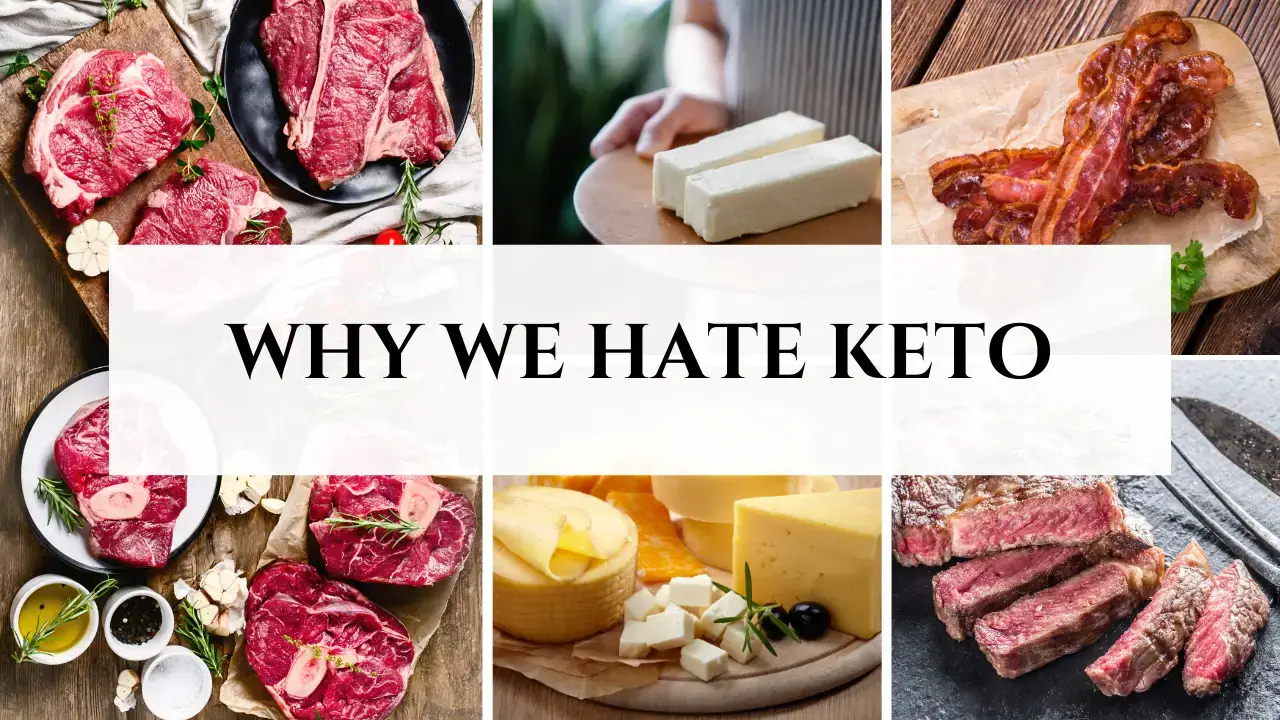
The keto diet may offer fast weight loss, but its long-term effects on health and sustainability are questionable. Discover if it’s the right choice for you.
The ketogenic diet, often simply called the keto diet, has gained significant popularity for its promise of fast weight loss while allowing you to indulge in high-fat foods like bacon, butter, and cheese. But is the keto diet the right choice for long-term weight loss? And more importantly, does it align with the principles of healthy eating habits that support not only weight loss but overall health?
In this article, we’ll explore why the keto diet, though tempting with its short-term results, may not be the best approach if you’re seeking long-term weight loss. We’ll also dive into the potential impact on your cardiovascular system and discuss how focusing on healthy, balanced nutrition can offer better health and more lasting success.
What is the Keto Diet?
The keto diet was originally designed for medical purposes, specifically for children with epilepsy, to help control seizures. It works by drastically reducing carbohydrate intake and replacing it with fat, putting your body into a metabolic state called ketosis. In ketosis, your body burns fat for fuel instead of carbohydrates. While this has proven beneficial in medical settings, the transition of the keto diet into mainstream diet culture has brought up significant concerns.
When you follow a keto diet for weight loss, you typically consume about 70% of your calories from fat, 20% from protein, and only 10% or less from carbohydrates. This drastic shift forces your body to use fat stores for energy, which initially leads to rapid weight loss. However, much of this initial loss is water weight, not fat loss, which we’ll explore in more detail.
The Appeal of Fast Weight Loss
One of the biggest reasons people flock to the keto diet is its promise of fast weight loss. It’s true—you’ll likely see the scale drop within the first few weeks, but what’s really happening?
Carbohydrates are stored in your muscles in the form of glycogen, and for every gram of glycogen, your body holds onto about three grams of water. When you stop consuming carbohydrates on a keto diet, your body uses up its glycogen stores for energy, and as a result, you lose the water that was attached to those glycogen molecules. This creates the illusion of rapid weight loss, but in reality, most of the weight you’re losing is just water.
After the initial water weight loss, you may start to lose fat, but the real challenge with keto is maintaining it long enough to see true fat loss. Many people find it hard to stick to such a high-fat diet for more than a few months because of the damaging effects on the cardiovascular system.
Where Do I Go Wrong With My Diet Take the Quiz
window.jotformEmbedHandler(“iframe[id=’JotFormIFrame-241925800481051’]”, “https://form.jotform.com/”)
Why the Keto Diet Isn’t Sustainable for Long-Term Weight Loss
While keto may seem like a quick fix, it’s important to remember that long-term weight loss isn’t just about shedding pounds quickly. It’s about adopting sustainable habits that you can maintain for life. This is where keto falls short for many people.
Most of us want to enjoy our food without constantly feeling restricted. You don’t want to be the person who can’t eat fruit, avoids whole grains and beans, or never indulges in a piece of cake on a special occasion. The rigid structure of the keto diet makes it incredibly difficult to maintain over the long term. As a result, people often revert to their old eating habits, which leads to weight regain—a frustrating cycle known as “yo-yo dieting.”
From a sustainability perspective, the keto diet just doesn’t hold up. It’s not designed for the long haul, and many people eventually give it up in favor of more balanced, enjoyable eating patterns. The truth is, extreme diets rarely lead to permanent weight loss because they don’t teach you the healthy eating habits that are necessary for lasting success.
The Impact of the Keto Diet on Your Cardiovascular System
Beyond the challenges of sticking to keto, there are serious concerns about its impact on your cardiovascular health. The diet encourages the consumption of high levels of animal fats—bacon, butter, cheese—which are rich in saturated fats. While the keto diet might help you lose weight in the short term, research has raised concerns about its long-term effects on heart health.
Saturated fats are known to increase levels of LDL cholesterol (the “bad” cholesterol), which can lead to the build-up of plaque in your arteries. This increases your risk of cardiovascular diseases like heart attacks and strokes. While some studies suggest that a well-formulated keto diet can improve cholesterol markers in the short term, others warn that the diet’s reliance on high-fat, low-fiber foods could lead to elevated cholesterol and triglyceride levels over time.
This is especially concerning for those with a family history of heart disease or high cholesterol. If your goal is to improve your overall health, not just lose weight, you need to consider the broader implications of any diet you follow. A diet that jeopardizes your heart health isn’t worth the temporary weight loss it may provide.
Healthy Eating Habits for Long-Term Weight Loss
So if the keto diet isn’t the answer, what is? The secret to long-term weight loss lies in adopting healthy eating habits that you can sustain for life. This may not sound as exciting as a diet that promises you can lose weight while eating bacon, but it’s the only approach that truly works.
At the core of any successful weight loss plan is a focus on whole, unprocessed foods. Think about the foods that your grandparents ate: fruits, vegetables, beans, legumes, nuts, seeds, and lean animal protein. These are the building blocks of a healthy, balanced diet, and they provide your body with the nutrients it needs to thrive.
One of the main reasons why people succeed in losing weight and keeping it off with a whole foods-based diet is that it’s not restrictive. You don’t have to cut out entire food groups, and you can eat a lot of fruits and vegetables so you don’t feel hungry.
The Real Shortcut to Weight Loss Success
While it might seem like a slower route, focusing on building healthy eating habits is actually the shortcut to lasting success. When you adopt a balanced, sustainable approach, you’re not wasting years hopping from one fad diet to another, only to regain the weight you lost. Instead, you’re setting yourself up for long-term success by creating habits that support both your weight and your overall health.
It might not be as glamorous as cutting out carbs and dropping 10 pounds in a week, but it’s far more effective in the long run. By focusing on real, nutrient-dense foods and building lasting habits, you can lose weight steadily and keep it off for good.
The Bottom Line
The keto diet may offer short-term weight loss, but it comes with significant drawbacks, particularly when it comes to sustainability and heart health. If you’re looking for long-term weight loss and overall health, the answer lies in healthy eating habits that are balanced, flexible, and focused on whole, unprocessed foods.
Instead of following extreme diets that lead to temporary results, focus on what really works—eating plenty of fruits, vegetables, beans, nuts, seeds, and lean proteins. These are the foods that fuel your body, protect your heart, and help you achieve lasting weight loss. You’ll not only reach your weight goals but also improve your health in ways that restrictive diets like keto simply can’t offer.
In the end, lasting weight loss is about adopting habits you can live with, not following a diet that you’ll eventually abandon. Choose the path that’s sustainable, healthy, and proven to work—because that’s the real key to long-term success.