
Can You Vape After Gastric Bypass? What Patients Need to Know
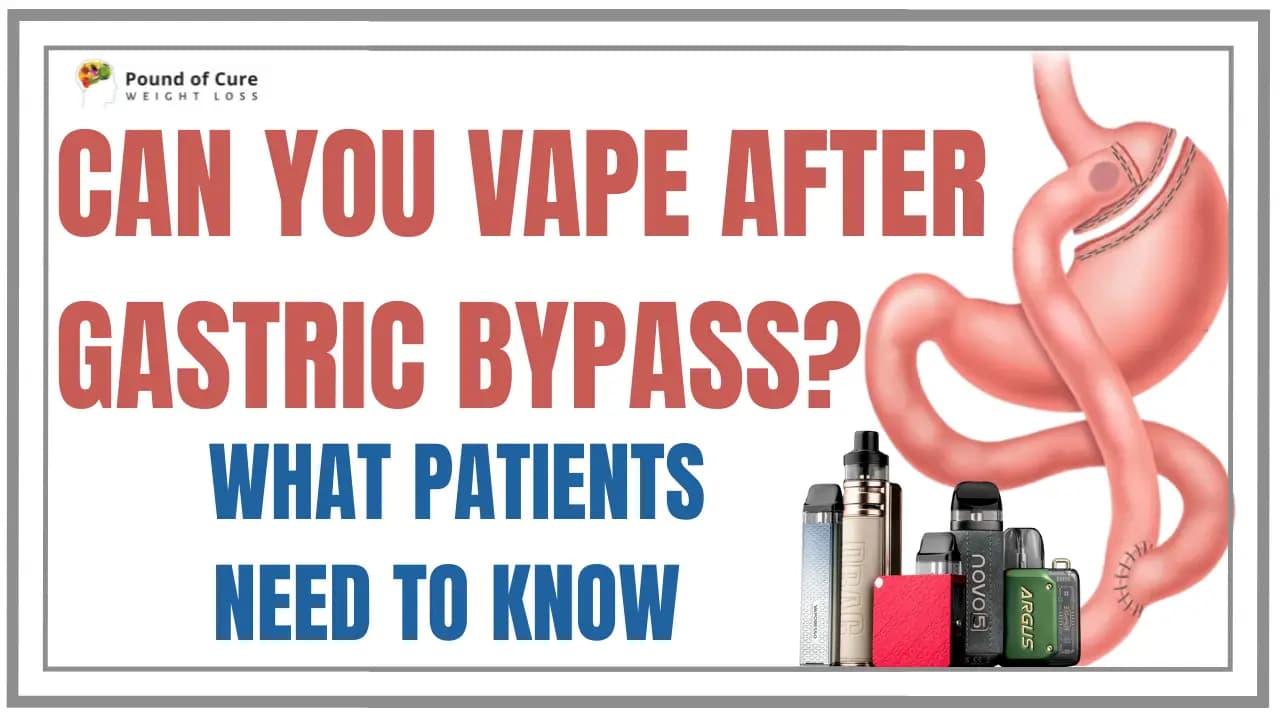
Can you vape after gastric bypass? Learn the risks, nicotine testing, and expert strategies to quit vaping before bariatric surgery.
Can You Vape After Gastric Bypass? What Patients Need to Know
If you’re preparing for gastric bypass surgery (or have recently had one), you may be wondering: can you vape after gastric bypass? This common question is especially important as more patients seek alternatives to smoking, such as vaping. In this article, we explore the current clinical advice, risks associated with vaping after weight loss surgery, nicotine testing protocols, and strategies for quitting vaping to ensure your best surgical outcome.
Key Takeaways
- Vaping is less dangerous than smoking after gastric bypass, but not risk-free
- Nicotine testing is required before weight loss surgery
- Why quitting all forms of smoking and vaping is ideal after bariatric surgery
- Understanding the risks of vaping for gastric bypass patients
- Tips and resources for quitting vaping before weight loss surgery
Can You Vape After Gastric Bypass? Vaping Is Less Dangerous Than Smoking After Gastric Bypass, but Not Risk-Free
Clinical experience and the transcript both strongly agree: smoking traditional cigarettes after gastric bypass is a serious health threat. Smoking, especially tobacco, is linked to dangerous stomach ulcers, poor healing, and potentially life-threatening complications. For this reason, most bariatric surgery programs strictly prohibit smoking before and after surgery.
But what about vaping? While vaping does not expose the body to the same 78+ carcinogens found in tobacco smoke, it is not completely harmless. Bariatric specialists report that although they see fewer severe (“craterous”) ulcers in patients who vape compared to those who smoke, mild ulcers and gastrointestinal irritation can still occur. The absence of nicotine or the presence of zero-nicotine e-liquids reduces risks, but there are still unknowns regarding the effects of inhaled flavorings and additives, especially in the sensitive post-surgical stomach. According to clinical recommendations from Alberta Health Services, it’s best not to smoke or vape any substance after surgery as these products can cause heart and lung problems as well as stomach ulcers.
Nicotine Testing Before Weight Loss Surgery Is Required
Bariatric surgery programs routinely require a nicotine test before weight loss surgery. This test is used to confirm that you have eliminated all nicotine sources including cigarettes, vaping products with nicotine, and certain nicotine replacement therapies. If you use only zero-nicotine vaping products, you will generally test negative and be cleared from a nicotine standpoint. However, be sure to disclose all use of vape products to your medical team for a full risk assessment. Pre-surgical nicotine testing is a standard procedure to ensure patient safety.
This policy is essential: even occasional nicotine use can compromise healing and increase complication rates. For patients unable to fully abstain from nicotine, some surgeons recommend a sleeve gastrectomy instead of a gastric bypass, since the risks of ulcers and complications are lower with the sleeve. Research also shows that smoking prior to surgery increases post-op complications, emphasizing the importance of nicotine testing and cessation (source study).
Bariatric Surgery
For patients interested in Weight Loss Surgery, Dr. Weiner has performed over 4,000 Bariatric procedures and has one of the lowest complication rates in the state, with patients from all across the U.S. Our extensive preoperative program is outdone only by our lifelong postoperative support!
At the Pound of Cure, we don’t just operate and send you on your way.
Our motto is: “We’re here for every step of your weight loss journey.”
For patients interested in Weight Loss Surgery, Dr. Weiner has performed over 4,000 Bariatric procedures and has one of the lowest complication rates in the state, with patients from all across the U.S. Our extensive preoperative program is outdone only by our lifelong postoperative support! At the Pound of Cure, we don’t just operate and send you on your way.
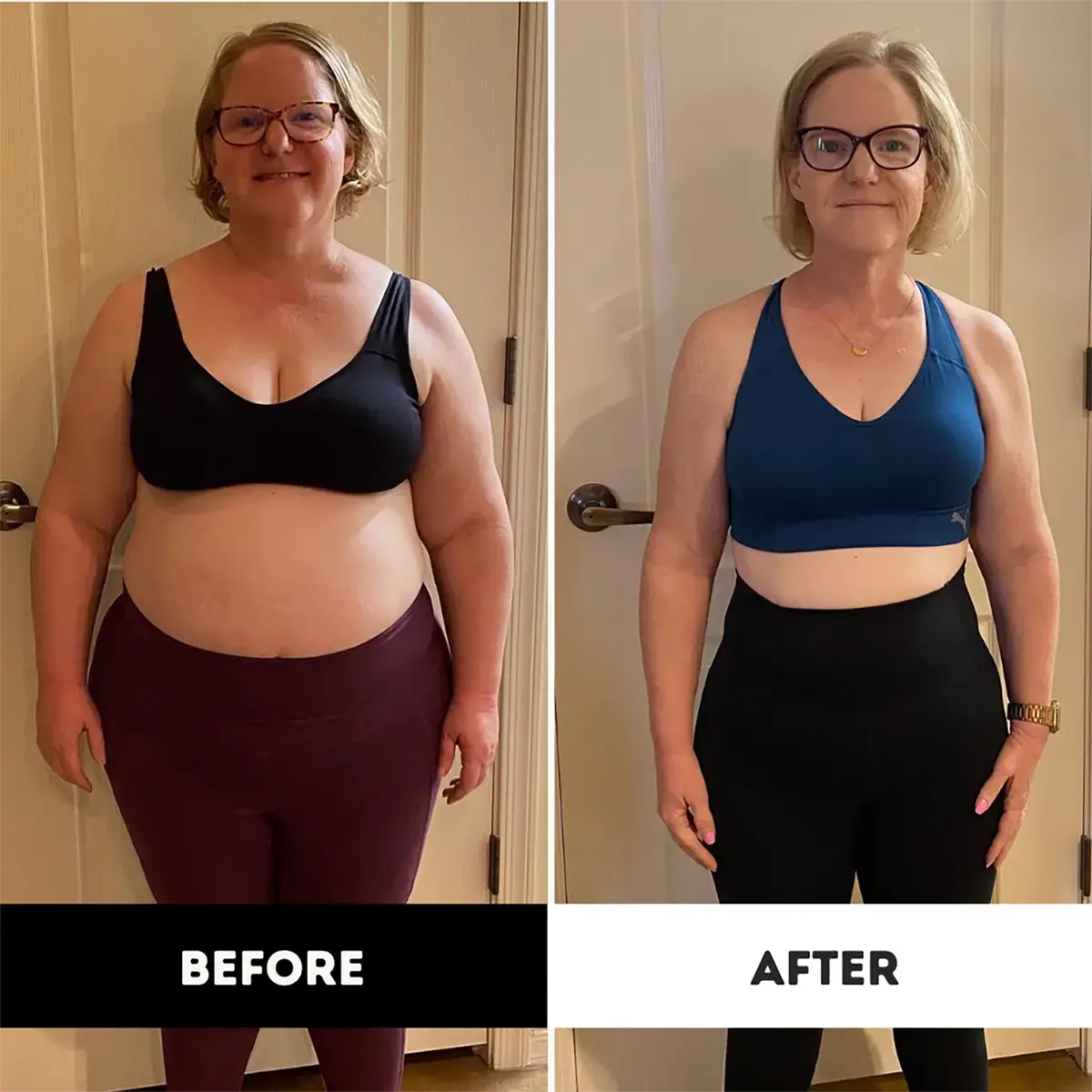
How Much Weight Will You Lose After Bariatric Surgery? Take Our Quiz
.jotform-iframe { min-width:100%; max-width:100%; border:none; padding:0px; @media only screen and (max-width: 768px) { min-height:650px; height:650px; margin-top:-75px!important; } @media only screen and (min-width: 769px) { min-height:500px; height:500px; }
window.jotformEmbedHandler(“iframe[id=’JotFormIFrame-242017094653151’]”, “https://form.jotform.com/”)
About Dr. Weiner
He is currently the Medical Director for Bariatric Surgery at Tucson Medical Center and also the chairman of the Surgical Department. He is committed to ensuring that you get through your surgery with as little discomfort and difficulties as possible.
Expertise
Low complication rate, minimal postoperative pain and discomfort.
Safety
Dr. Weiner is committed to your safety and has developed a postoperative pathway that ensures a rapid recovery and minimal complications.
Dr. Weiner’s care extends far beyond the operating room. He and his team provide comprehensive, life-long support to help you maintain your weight loss and overall health. This includes personalized nutritional counseling, ongoing follow-up appointments, and access to his extensive library of educational materials that help you stay on track with your goals. His commitment to your long-term success is evident in the amount of support and guidance that you’ll receive throughout your journey.
Comprehensive Support
Ongoing nutritional counseling and follow-up care
Life-Long Partnership
Dedicated to your long-term success and well-being.
A leader in obesity treatment, Dr. Weiner also specializes in the use of GLP-1 medications to optimize patient care. He will use these medications preoperatively to determine whether surgery is necessary and postoperatively, if necessary, to minimize the risk of weight regain after surgery. By combining medical and surgical interventions, Pound of Cure Weight Loss can help you maximize your postoperative weight loss and ensure long-term success.
GLP-1 Expertise
Uses GLP-1 medications to assess the need for surgery and prevent weight regain.
Holistic Approach
Combines medical and surgical treatments for optimal results.
Navigating the insurance process can be daunting, but Dr. Weiner’s team is here to help. They work closely with you to secure insurance authorization, making sure you have the coverage you need for your procedure and helping to keep the cost as low as possible. Their expertise in dealing with insurance providers ensures a smoother, less stressful preoperative experience, allowing you to your upcoming surgery.
Insurance Assistance
Expert help with obtaining insurance authorization
Stress-Free Experience
Focus on your preparation while we handle the paperwork.
Is Vaping Safe Before Weight Loss Surgery? Why Quitting All Forms of Smoking and Vaping Is Ideal After Bariatric Surgery
Most bariatric surgeons agree that the safest option is to quit both smoking and vaping entirely before surgery and to remain abstinent for life. Even vaping without nicotine introduces foreign chemicals, heated glycerin, and potentially thousands of flavor compounds into the lungs and, indirectly, the digestive tract. While many of these compounds are considered food-safe, their safety when inhaled into the lungs or exposed to the altered gut environment after surgery is not well established.
Studies and clinical experience remind us that long-term problems may emerge over time with vaping. There is also concern about habit transfer some patients switch from smoking to vaping post-surgery but then struggle to quit vaping, which can keep them in a chronic cycle involving triggers and cravings.
Understanding the Risks of Vaping for Gastric Bypass Patients
Although current observations suggest vaping appears less risky than smoking after gastric bypass, it isn’t without dangers:
- Mild ulcers and irritation: Vaping has been associated with milder, more treatable ulcers compared to the severe ulcers often seen with tobacco smokers.
- Lung health concerns: Certain ingredients in vape liquids have been linked to respiratory issues like “popcorn lung,” particularly when products contain inappropriate or low-quality additives.
- Unknown safety of additives: Even “food grade” flavorings may not be safe when inhaled. There are thousands of compounds used in flavoring, and long-term effects are still not clear, especially after major gut surgery.
- Behavioral risks: Vaping perpetuates the hand-to-mouth behavior and reward cycle, making cessation more challenging in the future.
Ultimately, while vaping might be seen as a step-down from smoking, the best evidence points towards complete cessation for optimal healing and outcomes after gastric bypass.
Tips and Resources for How to Quit Vaping Before Weight Loss Surgery
Many patients use vaping as a step in their journey to quitting nicotine, but stopping vaping altogether is recommended prior to bariatric surgery. Here are some proven strategies to help:
- Understand your triggers: Identify what situations lead to vaping; stress, boredom, social occasions, and plan alternative responses.
- Replace the habit: If you miss the hand-to-mouth motion, try herbal teas, fruit-infused water, or even chewing gum. Small behavioral swaps can fill the void and ease transitions.
- Change your environment: Remove vaping devices and products from easy reach. Avoid social circles that encourage vaping and find supportive communities instead.
- Seek professional resources: Many bariatric programs provide behavioral health or smoking cessation specialists who can guide you through quitting. Be sure to consult your bariatric team for personalized support.
- Focus on the why: Keep in mind the benefits; lower surgical risk, better healing, higher success rates, and improved long-term health and well-being.
For more information and support, speak openly with your bariatric team, and check out specialized nutrition and quitting programs offered by your clinic or hospital.
Vaping and Gastric Bypass Always Choose Safety First
So, can you vape after gastric bypass? While vaping may be less dangerous than smoking cigarettes, it is not risk-free, especially in the context of major surgery. Both patients and their healthcare teams should aim for complete cessation before and after surgery for the best possible outcomes. Trust your team, lean into support resources, and remember: every healthy change brings you closer to your goals.
The Pound of Cure App
Download for free and access a wide range of features at no cost!
Subscriptions starting at $14.99/month
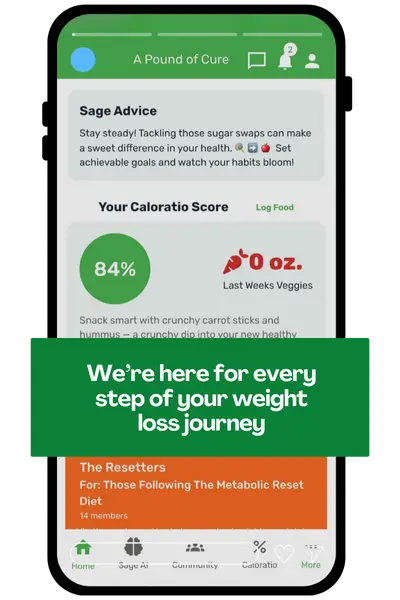


Your Personalized Weight Loss Program
- AI-Generated Meal Plans Get personalized suggestions based on your goals, dietary needs, and food log.
- Cost-saving GLP-1 options - Real Medicine, Reall Results: 15% total body weight loss for $150–$250/month
- Caloratio™ Food Logging System Say goodbye to tedious calorie counting and focus on meal quality, not just calories
- Snap, Log, Done
Snap a photo of your meal, our AI handles balance, portions, and nutrition. No guesswork, just smart tracking. - Real Support From Real People Join expert-led groups and a supportive community that understands your journey.
- 1-on-1 Expert Access Book appointments with dietitians and coaches directly in the app.
- Guidance for Every Path Whether you’re focused on nutrition, meds like Ozempic, or surgery, get expert support tailored to your journey.
Appointments
Book an Appointment
Schedule a surgical evaluation with Matthew Weiner, MD, to review your history, goals, and treatment options.
Surgical patients are accepted from across the United States. Surgery and in-person care are provided in Tucson, Arizona. Prefer to schedule by phone? Call (520) 298-3300.