GLP-1 for Ovarian Cancer: Emerging Hope for Obesity-Related Malignancies
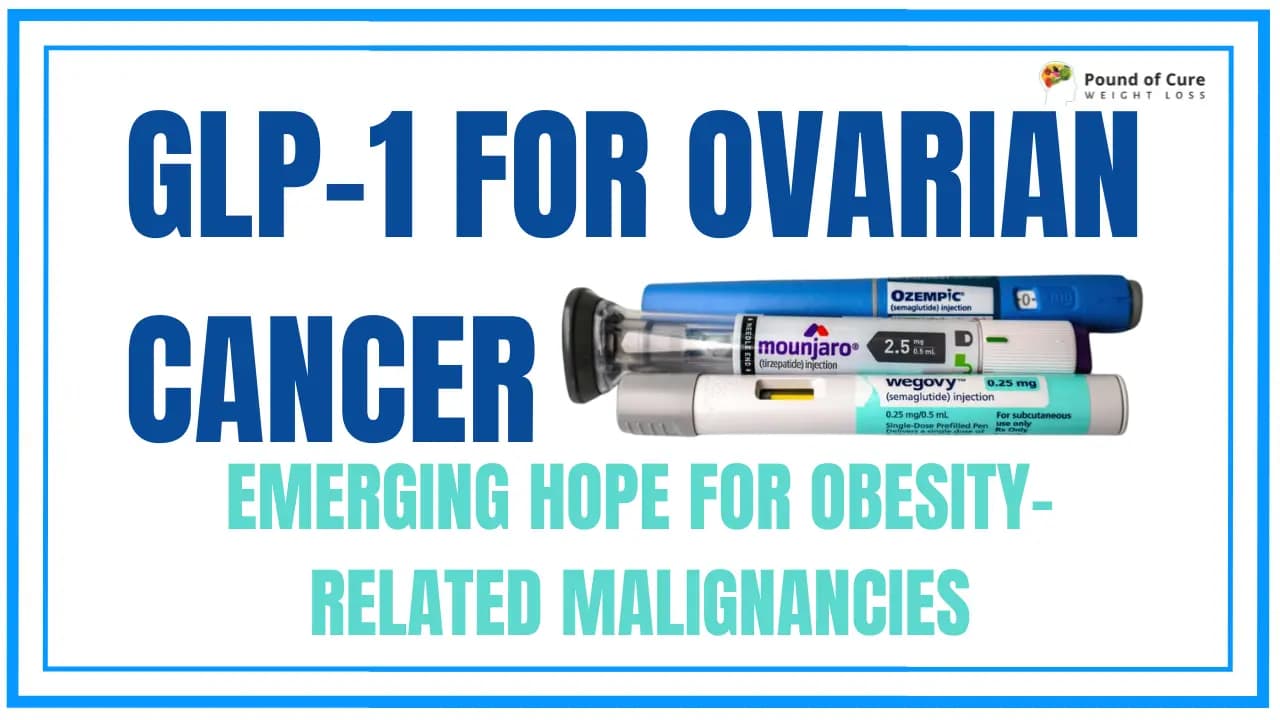
Ovarian cancer remains one of the most challenging malignancies to treat, but recent research is shining new light on adjunct therapies that could improve patient outcomes. One of the most exciting developments has been the potential application of GLP-1 medications in cancer care. GLP-1 receptor agonists, well-known for their success in weight loss, are now being studied for their impact on survival and recurrence in ovarian cancer, an obesity-related disease. In this article, we’ll explore the evidence, safety, and evolving role of GLP-1 for ovarian cancer patients.

Key Takeaways

GLP-1 Use Is Associated with Improved Survival for Ovarian Cancer

Recent observational studies have suggested that patients with ovarian cancer who used GLP-1 receptor agonists experienced markedly improved survival compared to those who did not. Specifically, all-cause mortality among GLP-1 users was 7.94%, compared to 19.71% in non-users. This dramatic difference has caught the attention of oncology researchers and clinicians alike. While the data is observational and further randomized controlled trials are needed, it signals a potential breakthrough in managing this challenging disease.

Distinguishing Correlation vs. Causation: What the Evidence Says

It’s crucial to understand that the current body of evidence is largely based on observational studies and not randomized clinical trials. This means while there is a strong association between GLP-1 use and improved survival in ovarian cancer, causation has not been conclusively established. Experts emphasize that associations might be influenced by other factors, including differences in patient health backgrounds or concurrent treatments. Continued research, specifically randomized double-blind controlled trials, is needed to confirm whether GLP-1 directly causes improved outcomes.

We're Here for Every Step of Your Weight Loss Journey

At Pound of Cure, Tucson’s first comprehensive weight management clinic, we spearhead a multi-pronged attack on obesity based on the latest science: nutritional support, GLP-1 meds, and one of the most effective surgical programs in the U.S. Our services are covered by most major insurance plans.

Our comprehensive program offers:

Weight gain is not your fault!

Studies show that weight is not determined by willpower but instead by a hormonally regulated defense of your body’s unique metabolic set point (the weight your body works to defend). High-carb, processed foods throw off your set point and create that food noise that makes you crave more and more.

Everyone deserves an individualized plan for weight management. Our proprietary Metabolic Reset weight loss program lowers your set point, shuts down the food noise, and uses all the tools of modern science to help you lose excess weight and keep it off.

Dr. Weiner and his expert team at Pound of Cure are passionate about the evidence-based treatment of obesity. Nutrition is the backbone of any weight loss program. All of our patients are enrolled in our nutrition program which consists of 20-25 support groups weekly covering a wide range of topics.

GLP-1 medications have a proven track record of lowering your body weight setpoint. For patients interested in weight loss medications, we have a team ready to research their pharmacy benefits so we can provide accurate information about their level of coverage and the estimated cost of the medications.

GLP-1: Safety Profile and Considerations for Cancer Patients

GLP-1 medications are generally well-tolerated and have been safely used in millions of patients for diabetes and weight management. Their mechanism, mimicking natural GLP-1 hormone to suppress appetite and modulate metabolism, gives them a unique place in the spectrum of adjunct therapies. Adverse effects can include gastrointestinal symptoms like nausea and, rarely, more serious issues such as pancreatitis or thyroid tumors. Importantly, in cancer patients with advanced disease or significant nutritional needs, GLP-1’s appetite-suppressing effect requires careful consideration and close medical supervision. For most, however, the benefits outweigh the risks, though personalization of treatment remains key.

GLP-1 for Weight Loss: Impact on Cancer Risk and Recurrence

Obesity is a recognized risk factor for at least 13 different cancers, including ovarian cancer. By supporting significant and sustained weight loss, GLP-1 medications reduce the risk of cancer development and possibly recurrence, as obesity-related mechanisms like chronic inflammation and hormone imbalance are mitigated. Recent research and expert commentary highlight that benefits from GLP-1 use go beyond the scale potentially lowering cancer risk both directly (via weight loss) and indirectly, through improved metabolic health. However, in patients with metastatic or advanced cancer, careful monitoring is recommended to avoid excessive weight or muscle loss, which could impact survival in already compromised individuals. Learn more about weight loss surgery vs GLP-1 medication and nutritional strategies to support your health.

GLP-1 as Adjunct Cancer Therapy: A Multimodal Approach

The emergence of GLP-1 as a possible adjunct to standard ovarian cancer therapies is considered a paradigm shift in oncology. Unlike traditional chemotherapy agents that share similar mechanisms, GLP-1 receptor agonists work through different metabolic pathways. This opens the possibility of combining GLP-1 with existing treatments without increasing toxicity, akin to the multimodal therapy approaches that revolutionized care in other diseases like HIV. As evidence grows, GLP-1 may become a standard add-on for obesity-sensitive cancers, potentially replacing or supplementing established drugs like tamoxifen in selected cases.

The Future of GLP-1 for Ovarian Cancer Treatment

GLP-1 for ovarian cancer is still an evolving field, but the excitement among clinicians and researchers is palpable. As data accumulates, expect to see GLP-1 medications featured in clinical guidelines for cancer management, especially in obesity-related malignancies. If you or a loved one is living with ovarian cancer and considering GLP-1 therapy, always consult your oncology and metabolic specialists to determine the best individualized approach.

The Pound of Cure App

Download for free and access a wide range of features at no cost!

Subscriptions starting at $14.99/month

The pound of cure app screen shot

Your Personalized Weight Loss Program

Our team is with you for every step,
including the first one

Fill out the form below and we’ll get back to you soon!

Logo New
Fill out this form and we will send you a free copy of the Metabolic Reset Diet
I'm interested in:

We've Received Your Submission

A member of our team will contact you shortly.

Feel free to call the office at: (520) 298-3300 if necessary.

If you need to book an appointment, you can schedule your appointment online here:

Book an Appointment

Current patients get a discount to our program

Logo New
Fill in this form and we will send you the pricing info

Fill out this form and we will send you the Metabolic Reset Diet Handout

We've received your request.

Please check your email for the information.