Podcast Summary
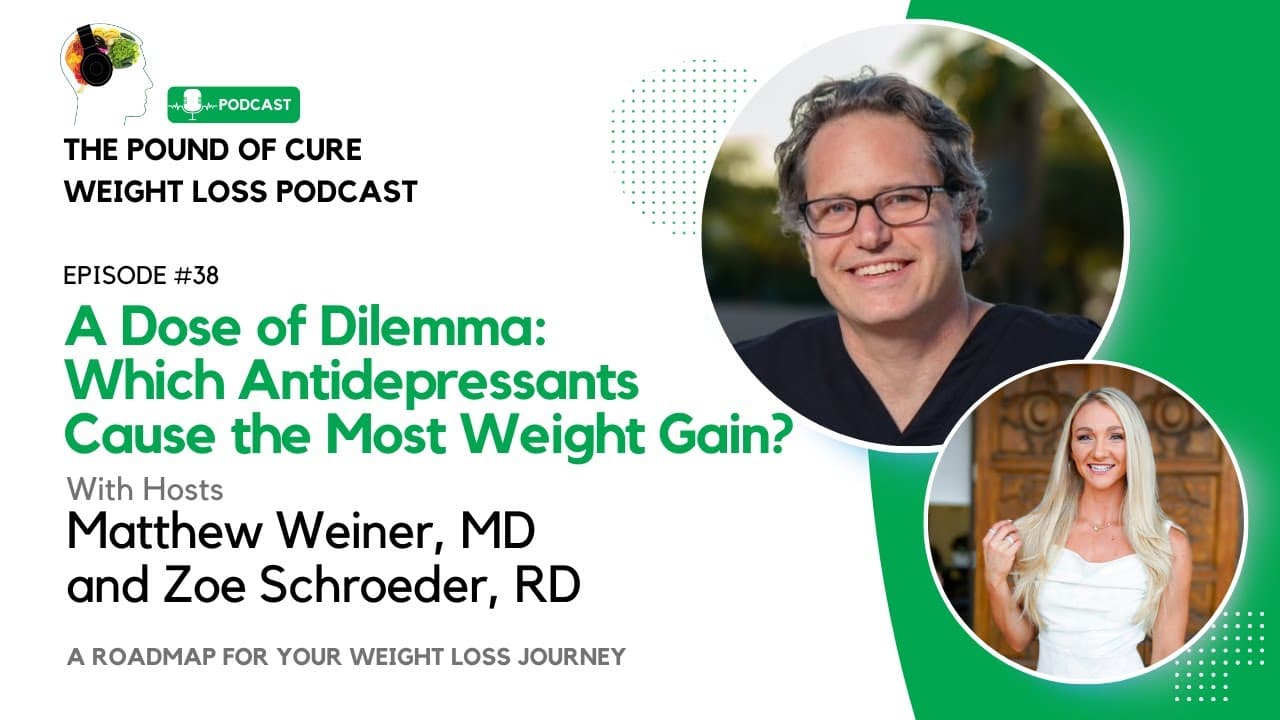
Understanding Antidepressants and Weight Gain: What You Need to Know
If you've been prescribed antidepressants or other psychiatric medications, you may have noticed unexpected changes on the scale. Weight gain is one of the most common and frustrating side effects of many mental health medications, but understanding which medications carry the highest risk can help you and your doctor make more informed treatment decisions.
The Connection Between Antidepressants and Weight Gain
Many antidepressants can cause significant weight gain, though not all medications affect people in the same way. The weight gain associated with psychiatric medications isn't simply about willpower or eating habits. These medications can alter your metabolism, increase appetite, change how your body stores fat, and affect the hormones that regulate hunger and fullness.
Talk with our team
Have questions about this episode?
Send our Tucson weight loss team a note about bariatric surgery, GLP-1 medications, nutrition, or your next step with Pound of Cure.
More from this episode
Some of the most commonly prescribed antidepressants that carry the highest risk for weight gain include certain older medications like mirtazapine and tricyclic antidepressants. Additionally, mood stabilizers and atypical antipsychotics used for conditions like bipolar disorder can lead to even more dramatic weight changes, sometimes resulting in 20 pounds or more of weight gain.
Which Psychiatric Medications Cause the Most Weight Gain?
Not all antidepressants affect weight equally. Understanding which medications carry higher risks can help guide treatment conversations with your healthcare provider:
- Mirtazapine (Remeron): Often causes significant weight gain due to increased appetite
- Tricyclic antidepressants (like amitriptyline): Known for metabolic changes and increased hunger
- Paroxetine (Paxil): Among SSRIs, this one has the strongest association with weight gain
- Atypical antipsychotics (like olanzapine and quetiapine): Can cause substantial metabolic changes
- Mood stabilizers (like lithium and valproate): Associated with significant weight increases
Conversely, some antidepressants are more weight-neutral or may even lead to modest weight loss. Bupropion (Wellbutrin) is known for being weight-neutral or occasionally associated with weight loss, making it a preferred option for patients concerned about weight gain.
Socioeconomic Factors and Obesity Risk
Beyond medications, social and economic factors play a surprisingly powerful role in obesity rates. Research consistently shows that people with lower socioeconomic status face higher rates of obesity. This isn't about personal choices alone but reflects systemic issues including limited access to healthy foods, fewer safe spaces for physical activity, higher stress levels, and less access to quality healthcare.
Understanding these social determinants of health helps explain why weight management isn't simply a matter of individual willpower. Environmental factors, food availability, work schedules, and economic constraints all create real barriers to maintaining a healthy weight.
Breaking Through Weight Loss Plateaus
Whether you're dealing with medication-related weight gain or facing a frustrating plateau in your weight loss journey, understanding why plateaus happen can help you push through them. Your body naturally adapts to caloric restriction by slowing metabolism and becoming more efficient. This biological response, while frustrating, is your body's attempt to protect you from what it perceives as starvation.
Successful strategies for overcoming plateaus include adjusting your caloric intake as you lose weight, incorporating strength training to preserve muscle mass, varying your exercise routine, managing stress levels, and ensuring adequate sleep. Sometimes, addressing underlying factors like medication side effects or metabolic issues requires medical intervention.
Treatment Options When Medication-Induced Weight Gain Becomes Problematic
If you've experienced significant weight gain from psychiatric medications, you have options. First, never stop taking prescribed mental health medications without consulting your doctor, as this can be dangerous. Instead, discuss your concerns openly with your healthcare provider.
Potential solutions include switching to a more weight-neutral medication if clinically appropriate, adding medications that may help with weight management, or exploring comprehensive weight loss approaches. For some patients with severe obesity related to medication use, more intensive interventions like GLP-1 medications or bariatric surgery may be appropriate options to discuss with a weight management specialist.
GLP-1 medications, originally developed for diabetes, have shown remarkable effectiveness for weight loss and may help counteract medication-induced weight gain. These medications work by regulating appetite and improving metabolic health, offering new hope for patients struggling with weight gain from psychiatric medications.
Taking Control of Your Health Journey
Managing your mental health while also addressing weight concerns requires a balanced, compassionate approach. The key is working with healthcare providers who understand both the importance of treating your mental health condition and the real impact that weight gain has on your physical health and quality of life.
Remember that weight gain from medications is a medical side effect, not a personal failure. With the right support, medication adjustments when appropriate, attention to nutrition and physical activity, and possibly additional weight management interventions, you can address both your mental health needs and your weight management goals.
If you're struggling with weight gain from antidepressants or other medications, consider consulting with a physician who specializes in weight management and understands the complex relationship between psychiatric medications and metabolism. A comprehensive approach that addresses all aspects of your health offers the best path forward.
Related Pound of Cure resource: bariatric surgery in Tucson.
Weight loss topics covered in this episode
This conversation is part of the Pound of Cure approach to evidence-based weight loss education, including bariatric surgery, GLP-1 medications, nutrition counseling, metabolic health, and long-term patient support.
For more context, explore our guides to GLP-1 medications, bariatric surgery in Tucson, and the Metabolic Reset Diet.
