Podcast Summary
Understanding the Changing Landscape of Weight Loss: Bariatric Surgery and GLP-1 Medications
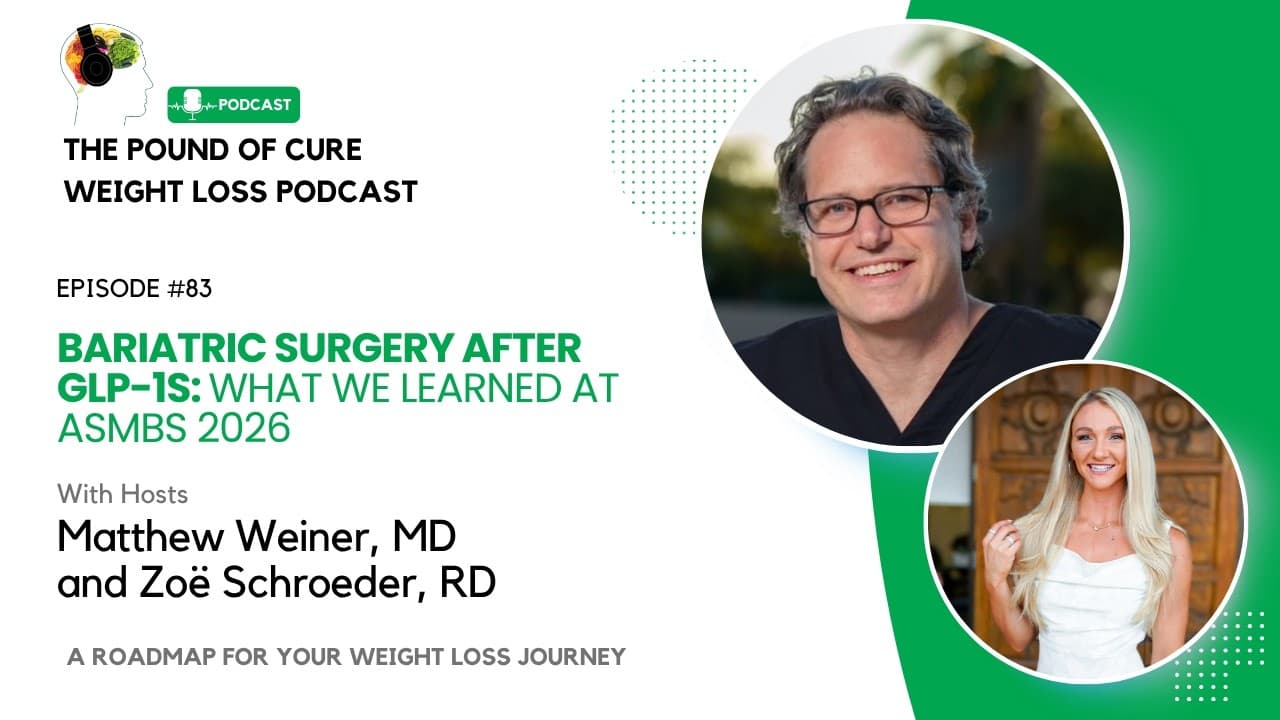
The world of weight loss treatment is experiencing a significant transformation. At the 2026 Annual Meeting of the American Society for Metabolic and Bariatric Surgery (ASMBS), medical professionals gathered to discuss how GLP-1 medications are reshaping the field of bariatric surgery. Dr. Matthew Weiner and registered dietitian Zoe attended this important conference and observed a very different atmosphere compared to previous years.
The Impact of GLP-1 Medications on Bariatric Surgery
GLP-1 medications such as Ozempic, Wegovy, and Zepbound have fundamentally changed how patients and physicians approach weight loss. These medications have become increasingly popular and accessible, leading to noticeable shifts in the bariatric surgery landscape. One of the most striking observations from the 2026 ASMBS conference was the decline in surgical volumes across bariatric practices.
Talk with our team
Have questions about this episode?
Send our Tucson weight loss team a note about bariatric surgery, GLP-1 medications, nutrition, or your next step with Pound of Cure.
More from this episode
Bariatric surgeons are now facing questions they haven't had to address before. The availability of effective weight loss medications has created new considerations for both medical professionals and patients seeking treatment for obesity and metabolic conditions.
What the 2026 ASMBS Conference Revealed
The annual ASMBS meeting serves as a gathering place for surgeons, physicians, dietitians, and other healthcare professionals who specialize in metabolic and bariatric care. This year's conference had a distinctly different tone from prior years. The conversations and presentations reflected the reality that GLP-1 medications are no longer a distant possibility but a present factor that is actively influencing patient decisions and surgical practice patterns.
Many bariatric surgeons at the conference were openly wrestling with what the rise of GLP-1 medications means for their practices. These discussions highlighted the need for the medical community to adapt and evolve as new treatment options become available. The conference provided a forum for professionals to share experiences, concerns, and strategies for navigating this changing environment.
The Patient Perspective: Medication, Nutrition, or Surgery?
For patients struggling with obesity and weight-related health conditions, the increased availability of treatment options can be both empowering and overwhelming. The fundamental question many patients now face is whether to pursue medication management with GLP-1 drugs, focus on nutrition and lifestyle interventions, or consider bariatric surgery.
Each approach has its own benefits, risks, and considerations. GLP-1 medications offer a non-surgical option that can produce significant weight loss for many patients. Nutrition-based interventions remain a cornerstone of sustainable weight management. Bariatric surgery continues to provide the most substantial and durable weight loss outcomes for appropriate candidates.
Understanding GLP-1 Medications
GLP-1 medications work by mimicking a natural hormone in the body that regulates appetite and blood sugar. Medications like Ozempic, Wegovy, and Zepbound have demonstrated effectiveness in helping patients achieve meaningful weight loss. These drugs have gained widespread attention and have become more commonly prescribed for weight management.
The growing use of these medications has created a new pathway for patients who might have previously considered surgery as their primary or only option. This shift has naturally affected the number of patients pursuing bariatric procedures.
The Role of Bariatric Surgery in Modern Weight Loss Treatment
Despite the rise of GLP-1 medications, bariatric surgery remains an important and effective treatment option for obesity. Surgical procedures such as gastric sleeve, gastric bypass, and other metabolic surgeries continue to offer substantial benefits for appropriate patients. These procedures typically result in greater weight loss compared to medication alone and can lead to significant improvements in obesity-related conditions such as type 2 diabetes, high blood pressure, and sleep apnea.
Bariatric surgery also offers long-term metabolic benefits that extend beyond weight loss. The procedures can fundamentally alter how the body processes food and regulates hormones related to hunger and metabolism.
How Healthcare Professionals Are Adapting
The bariatric surgery community is actively working to understand how to best serve patients in this new era of weight loss treatment. Rather than viewing GLP-1 medications as competition, many practitioners are exploring how medications and surgery can work together as part of a comprehensive approach to metabolic health.
Some patients may benefit from starting with medication and later pursuing surgery if needed. Others might use GLP-1 medications after surgery to maintain their weight loss. The key is developing individualized treatment plans that address each patient's unique circumstances, health conditions, and goals.
The Importance of Nutrition in All Weight Loss Approaches
Regardless of whether a patient chooses medication, surgery, or lifestyle modification, nutrition remains a critical component of successful weight management. Registered dietitians play an essential role in helping patients understand how to nourish their bodies appropriately while pursuing weight loss.
Nutrition guidance is particularly important for patients taking GLP-1 medications or recovering from bariatric surgery. These interventions change how the body processes food and can affect appetite, nutrient absorption, and dietary tolerance. Working with a dietitian helps ensure patients meet their nutritional needs while achieving their weight loss goals.
Making Informed Decisions About Weight Loss Treatment
Patients considering their weight loss options should seek guidance from qualified healthcare providers who understand the full range of available treatments. The decision between medication, surgery, or other interventions should be based on multiple factors including current health status, weight loss goals, medical history, and personal preferences.
It's important for patients to understand that there is no single right answer for everyone. What works well for one person may not be the best choice for another. Comprehensive evaluation and ongoing support from a medical team are essential for success with any weight loss approach.
The Future of Weight Loss Treatment
The observations from the 2026 ASMBS conference suggest that the field of weight loss medicine is in a period of transition. As GLP-1 medications become more established and new treatments continue to emerge, healthcare providers will need to remain flexible and evidence-based in their approach to patient care.
This evolution in treatment options ultimately benefits patients by providing more choices and personalized care pathways. The goal remains the same: helping individuals achieve sustainable weight loss and improved metabolic health through safe and effective interventions.
Key Takeaways for Patients
Patients navigating weight loss decisions should know that both GLP-1 medications and bariatric surgery are legitimate, effective options supported by medical evidence. The decline in surgical volumes observed at the ASMBS conference doesn't mean surgery has become less effective or important. Rather, it reflects that more patients now have access to alternative treatments that may work for their specific situations.
Working with healthcare providers who stay current on emerging research and treatment options is valuable for making informed decisions. Patients benefit most when their care team can discuss all available approaches without bias and help them choose the path most likely to lead to long-term success.
The Continuing Role of Metabolic Health
Whether through medication, surgery, or lifestyle intervention, the ultimate goal of weight loss treatment is improved metabolic health. This includes better control of blood sugar, blood pressure, cholesterol levels, and reduced risk of obesity-related diseases. Any effective weight loss approach should address these broader health outcomes, not just the number on the scale.
The discussions at the 2026 ASMBS conference highlighted that metabolic health remains at the center of bariatric medicine, even as the specific tools and approaches continue to evolve. Understanding this bigger picture helps patients and providers work together toward meaningful, lasting health improvements.
Weight loss topics covered in this episode
This conversation is part of the Pound of Cure approach to evidence-based weight loss education, including bariatric surgery, GLP-1 medications, nutrition counseling, metabolic health, and long-term patient support.
For more context, explore our guides to GLP-1 medications, bariatric surgery in Tucson, and the Metabolic Reset Diet.