Podcast
Episode 23May 2, 202440 min

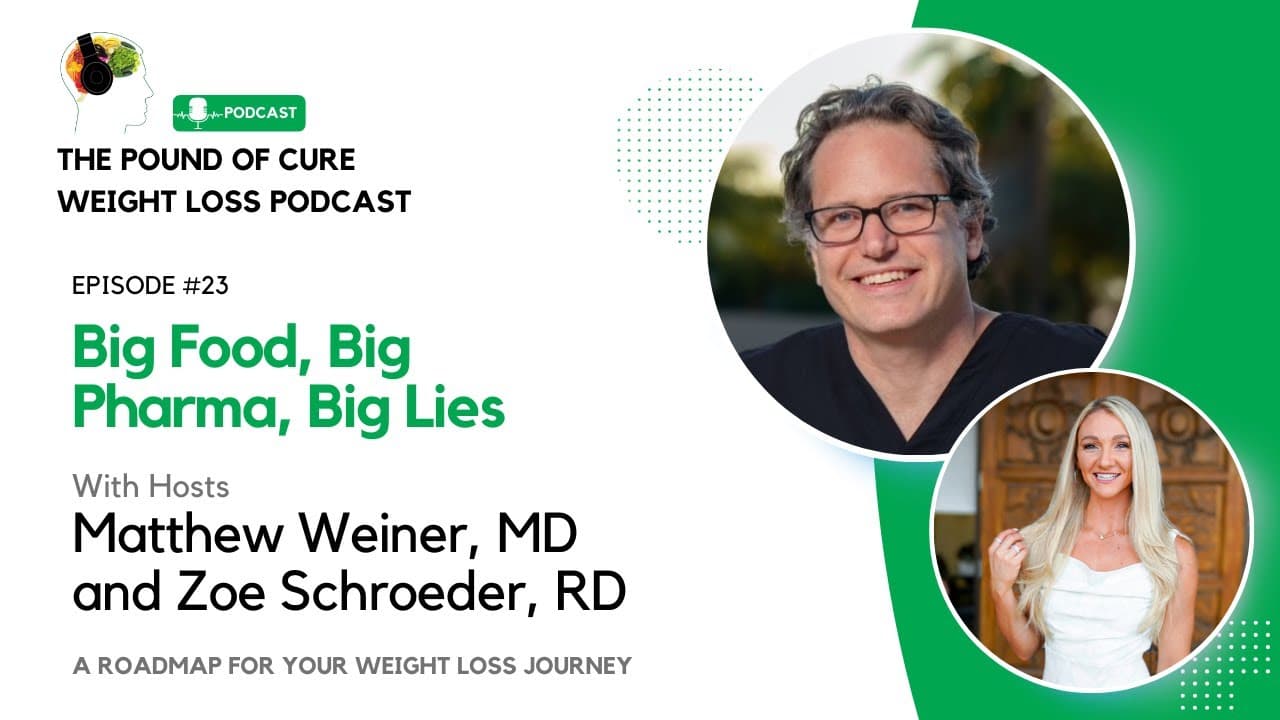
Big Food, Big Pharma, Big Lies

Big Food, Big Pharma, Big Lies podcast artwork

Episode 23 of the Pound of Cure Weight Loss Podcast is titled, Big Food, Big Pharma, Big Lies. The title comes from our In the News segment where we discuss an article we found on Yahoo that talks about how big food makers like General Mills are paying social media dietitian influencers to push their products as part of the anti-diet movement. They are actually telling people that products like Coco Puffs are part of a healthy lifestyle! Insane! In our Patient Story, we talk to Lupe w...

Podcast Summary

Big Food, Big Pharma, Big Lies: Exposing Deceptive Marketing in Weight Loss

The weight loss industry is filled with conflicting messages, making it increasingly difficult for patients to distinguish between science-based advice and corporate marketing. This eye-opening episode exposes how major food manufacturers are partnering with social media influencers to promote ultra-processed foods as part of a healthy lifestyle, despite overwhelming evidence of their harmful effects on metabolic health.

The Anti-Diet Movement Hijacked by Big Food

Major food corporations like General Mills have found a troubling new marketing strategy. They're paying registered dietitians and social media influencers to promote products like Coco Puffs and other sugary cereals as part of the anti-diet movement. This deceptive practice exploits a legitimate concept (rejecting extreme, unsustainable dieting) and twists it into permission to consume nutritionally bankrupt foods without consequence.

Talk with our team

Have questions about this episode?

Send our Tucson weight loss team a note about bariatric surgery, GLP-1 medications, nutrition, or your next step with Pound of Cure.

More from this episode

The anti-diet movement originally aimed to help people develop healthier relationships with food and reject dangerous fad diets. However, when funded by companies with billions at stake, the message becomes distorted. These influencers suggest that all foods fit into a healthy lifestyle equally, ignoring the metabolic damage caused by regular consumption of ultra-processed products high in added sugars, refined carbohydrates, and artificial ingredients.

Why This Matters for Your Health

Ultra-processed foods aren't just empty calories. Research consistently shows they contribute to:

  • Insulin resistance and type 2 diabetes
  • Obesity and difficulty losing weight
  • Chronic inflammation throughout the body
  • Increased risk of heart disease
  • Disrupted hunger hormones that make portion control nearly impossible
  • Addictive eating patterns that override natural satiety signals

For patients working toward sustainable weight loss, whether through lifestyle modification, bariatric surgery, or GLP-1 medications, understanding the difference between real nutrition and marketing disguised as health advice is essential. The foods you choose directly impact your metabolic health and long-term success.

Identifying Deceptive Nutrition Information

How can you tell when nutrition advice is compromised by corporate interests? Look for these red flags on social media and in health content:

Dietitians or influencers who consistently defend ultra-processed foods and fast food as equally healthy to whole foods. Anyone suggesting that breakfast cereal with 12 grams of added sugar per serving belongs in the same category as eggs and vegetables is not providing science-based guidance.

Content creators who mock or dismiss concerns about ingredients, added sugars, or processed foods. Legitimate nutrition professionals acknowledge that while no single food will destroy your health, dietary patterns matter enormously.

Influencers who fail to disclose paid partnerships with food manufacturers. Ethical health professionals are transparent about sponsorships and potential conflicts of interest.

Real Nutrition for Sustainable Weight Loss

Authentic, evidence-based nutrition for weight loss and metabolic health focuses on whole, minimally processed foods. This approach supports patients whether they're preparing for bariatric surgery, using GLP-1 medications, or working on lifestyle changes alone.

Prioritize protein from high-quality sources like lean meats, fish, eggs, and legumes. Protein supports satiety, preserves muscle mass during weight loss, and requires more energy to digest than carbohydrates or fats.

Build meals around non-starchy vegetables, which provide essential nutrients, fiber, and volume without excess calories. These foods support gut health and help regulate blood sugar.

Choose complex carbohydrates in appropriate portions. Whole grains, sweet potatoes, and other fiber-rich starches affect your body very differently than refined cereals and sugary processed foods.

Include healthy fats from sources like avocados, nuts, seeds, and olive oil in moderation. These support hormone production and nutrient absorption while helping you feel satisfied.

Patient Empowerment Through Education

The influence of corporate marketing on public health messaging isn't going away. Food companies spend billions annually to shape how we think about nutrition, often contradicting what medical research actually shows. Pharmaceutical companies similarly invest heavily in marketing their products, sometimes overstating benefits or minimizing risks.

Patients deserve honest, transparent information about nutrition and weight loss. When registered dietitians become paid spokespeople for junk food manufacturers, it erodes trust in nutrition professionals and confuses people genuinely trying to improve their health.

Successful long-term weight management requires understanding how different foods affect your body. Ultra-processed products engineered for maximum palatability can override your natural hunger and fullness cues, making sustainable portion control extremely difficult. Recognizing this reality isn't about restriction or deprivation. It's about making informed choices that support your health goals.

Taking Control of Your Health Journey

Whether you're considering weight loss surgery, already using GLP-1 medications, or focusing on nutrition and lifestyle changes, the foundation remains the same. Base your food choices on scientific evidence rather than corporate marketing campaigns disguised as health advice.

Seek guidance from healthcare providers and nutrition professionals who prioritize your metabolic health over food industry profits. Ask questions about potential conflicts of interest. Be skeptical of advice that sounds too good to be true, especially when it involves permission to regularly consume foods you know aren't supporting your goals.

Your health is too important to be influenced by lies, even when those lies come from sources that appear credible. Understanding the financial motivations behind nutrition messaging helps you make better decisions for sustainable weight loss and improved metabolic health.

Weight loss topics covered in this episode

This conversation is part of the Pound of Cure approach to evidence-based weight loss education, including bariatric surgery, GLP-1 medications, nutrition counseling, metabolic health, and long-term patient support.

For more context, explore our guides to GLP-1 medications, bariatric surgery in Tucson, and the Metabolic Reset Diet.