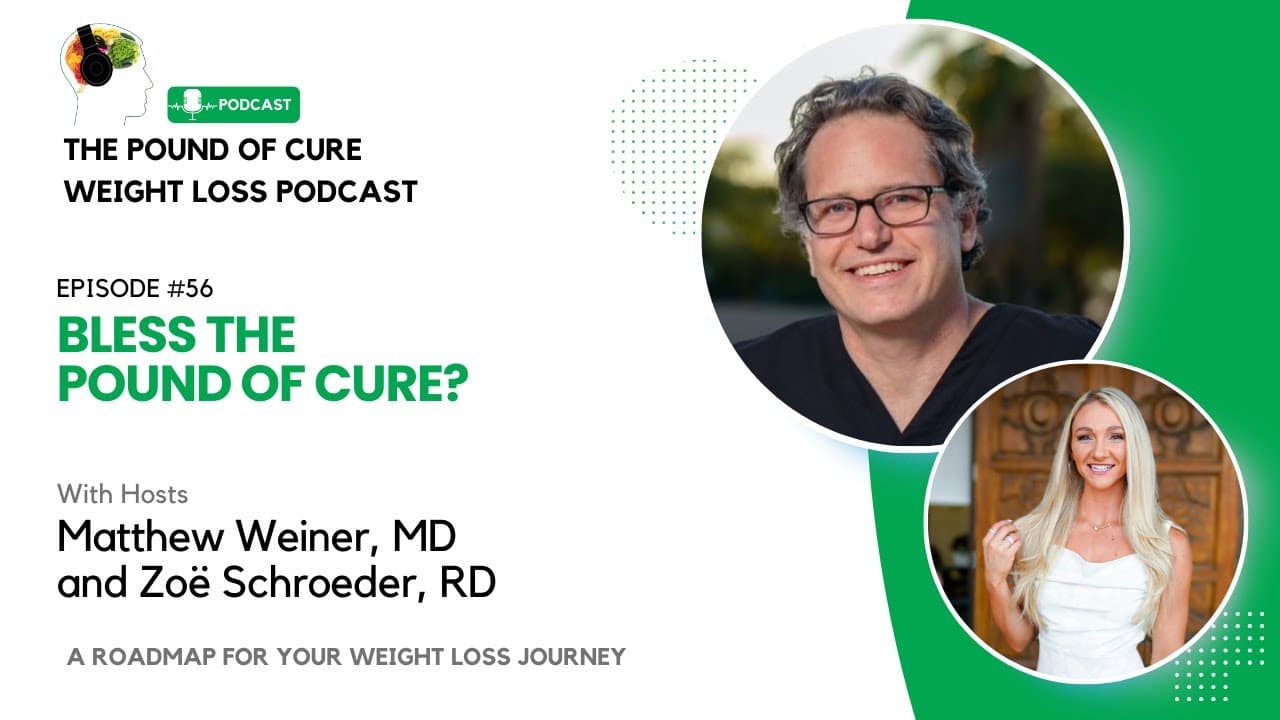
Podcast Summary
Raquel's weight loss journey showcases the profound intersection of medical intervention, cultural heritage, and spiritual healing. In this moving episode of the Pound of Cure Weight Loss podcast, Dr. Matthew Weiner and Zoë sit down with Raquel to discuss her transformative experience with gastric sleeve surgery and the holistic approach she took toward recovery and wellness.
Gastric sleeve surgery, also known as sleeve gastrectomy, is a bariatric surgery procedure that removes approximately 80% of the stomach, leaving a banana-shaped sleeve. This surgical intervention helps patients achieve significant weight loss by reducing stomach capacity and altering hunger hormones. For Raquel, choosing gastric sleeve surgery represented a critical turning point in her health journey. The decision to undergo bariatric surgery is never simple, requiring careful consideration of medical needs, lifestyle changes, and long-term commitment to new eating habits and wellness practices.
What makes Raquel's story particularly compelling is how she integrated her cultural and spiritual beliefs into her recovery process. During the episode, she discusses receiving an Ojo de Venado, a traditional protective amulet from Latin American culture. The Ojo de Venado, literally translated as "deer's eye," is a seed from a Mexican climbing shrub believed to offer protection and good fortune. This cultural gift held deep personal significance for Raquel as she navigated the emotional and physical challenges following her surgery.
The episode explores how weight loss surgery extends far beyond the operating room. Successful bariatric surgery outcomes depend heavily on addressing the emotional and psychological aspects of weight management. Many patients undergoing gastric sleeve surgery discover that their relationship with food is connected to deeper emotional patterns, stress responses, and coping mechanisms developed over years or even decades. Raquel openly shares her experience with this emotional healing, demonstrating the courage required to confront these underlying issues.
Talk with our team
Have questions about this episode?
Send our Tucson weight loss team a note about bariatric surgery, GLP-1 medications, nutrition, or your next step with Pound of Cure.
More from this episode
Dr. Matthew Weiner and Zoë guide the conversation to illuminate how modern medical interventions like gastric sleeve surgery can work alongside spiritual and cultural practices to support comprehensive healing. This integrative perspective recognizes that patients are whole people with beliefs, traditions, and values that influence their health outcomes. When medical providers honor these aspects of patient identity, they create space for more meaningful and sustainable transformation.
The discussion also touches on the importance of community and support systems throughout the weight loss journey. Raquel's story emphasizes that recovery from obesity and metabolic health conditions requires ongoing support, whether from healthcare providers, family members, cultural communities, or spiritual practices. The combination of medical expertise and personal faith creates a powerful foundation for lasting change.
For patients considering bariatric surgery, Raquel's experience offers valuable insights into what the journey truly entails. The physical changes following gastric sleeve surgery happen relatively quickly, but the emotional, spiritual, and lifestyle adaptations continue long after the surgical site has healed. Successful patients typically embrace nutrition education, develop new relationships with food and eating, address emotional triggers, and build sustainable habits that support their long-term metabolic health.
The episode highlights resilience as a central theme in weight loss transformation. Raquel's willingness to share her vulnerable moments and personal growth demonstrates the resilience required to overcome obesity and reclaim health. Her story shows that setbacks and challenges are normal parts of the journey, and that healing happens when patients approach themselves with compassion rather than judgment.
Cultural competence in bariatric care matters significantly for patient outcomes. When healthcare providers understand and respect the cultural backgrounds of their patients, they can offer more personalized guidance and support. Raquel's experience illustrates how cultural traditions and symbols, like the Ojo de Venado, can provide comfort and meaning during difficult transitions. These elements of identity should be celebrated and integrated into care plans rather than dismissed or ignored.
The conversation between Dr. Matthew Weiner, Zoë, and Raquel creates an accessible entry point for anyone considering weight loss surgery or currently navigating their own health transformation. By sharing authentic patient experiences, the Pound of Cure Weight Loss podcast offers practical wisdom alongside medical expertise. Listeners gain realistic expectations about the surgical process, recovery timeline, emotional challenges, and the comprehensive lifestyle changes necessary for success.
Raquel's journey reminds us that weight loss and metabolic health improvement involve the whole person. Physical health, emotional wellbeing, spiritual beliefs, and cultural identity all contribute to how patients experience their transformation. The most successful approaches to bariatric care recognize and honor this complexity, supporting patients in ways that align with their values and lived experiences.
This episode ultimately celebrates the power of combining evidence-based medical interventions with personal faith, cultural traditions, and emotional healing. Raquel's story stands as a testament to what becomes possible when patients receive comprehensive support and when they courageously embrace all aspects of their healing journey.
Weight loss topics covered in this episode
This conversation is part of the Pound of Cure approach to evidence-based weight loss education, including bariatric surgery, GLP-1 medications, nutrition counseling, metabolic health, and long-term patient support.
For more context, explore our guides to GLP-1 medications, bariatric surgery in Tucson, and the Metabolic Reset Diet.
