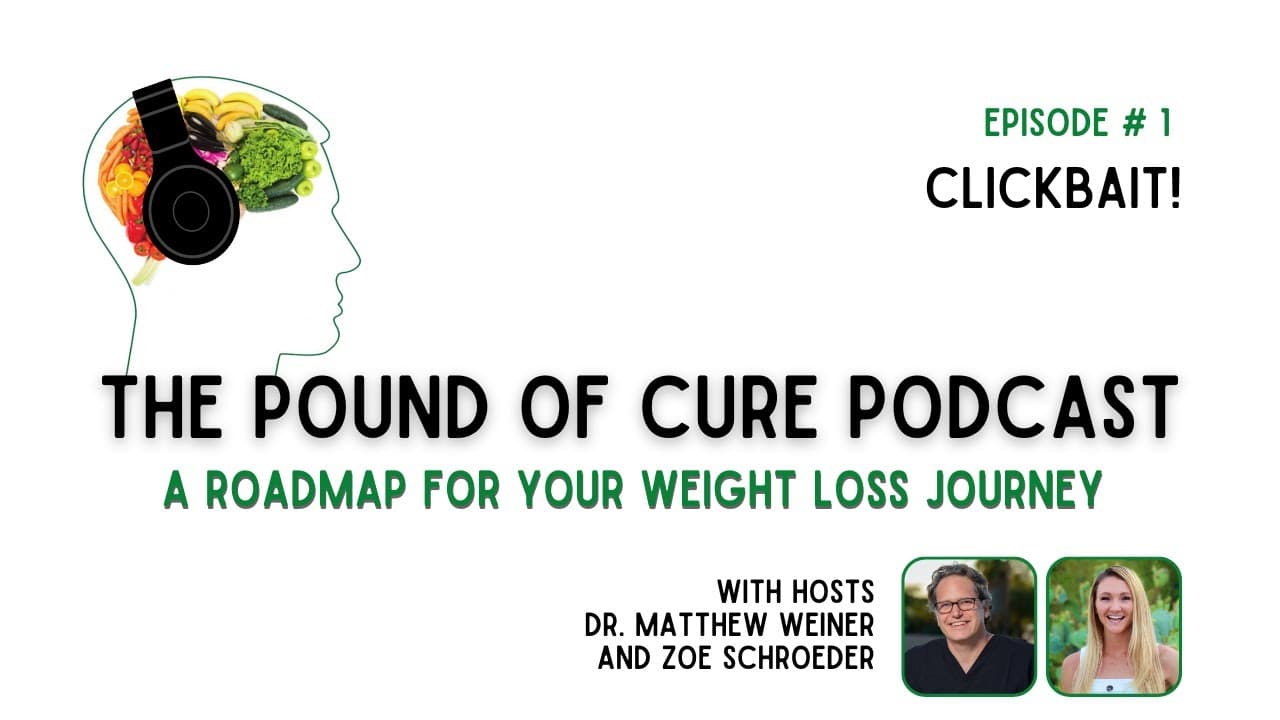
Podcast Summary
Understanding the Controversy Around GLP-1 Weight Loss Medications
In today's information-saturated world, negative headlines about weight loss treatments often grab more attention than balanced reporting. This phenomenon is particularly evident with GLP-1 medications, a class of drugs that has revolutionized weight management. Dr. Matthew Weiner explores why we seem drawn to alarming stories about these medications while often overlooking their proven benefits.
Why Negative News Gets More Attention
Human psychology naturally gravitates toward potential threats and dangers. This survival instinct served our ancestors well, but in the modern era, it can distort how we evaluate medical treatments. When it comes to GLP-1 medications like semaglutide and tirzepatide, sensationalized stories about side effects often dominate social media and news cycles, while the substantial evidence of their effectiveness receives less fanfare.
Talk with our team
Have questions about this episode?
Send our Tucson weight loss team a note about bariatric surgery, GLP-1 medications, nutrition, or your next step with Pound of Cure.
More from this episode
This clickbait culture creates a challenging environment for patients trying to make informed decisions about their health. Weight loss is already a deeply personal journey filled with emotional complexity, and misleading information only adds unnecessary confusion and fear.
The Reality of GLP-1 Medications
GLP-1 receptor agonists represent a significant advancement in treating obesity and metabolic health conditions. These medications work by mimicking natural hormones that regulate appetite and blood sugar levels. Unlike fad diets or unproven supplements, GLP-1 medications have undergone rigorous clinical trials demonstrating both safety and efficacy.
The benefits extend beyond the number on the scale. Patients often experience improvements in blood pressure, cholesterol levels, and blood sugar control. For individuals with type 2 diabetes, these medications can be particularly transformative. However, these positive outcomes rarely generate the same viral attention as isolated reports of adverse events.
A Comprehensive Approach to Weight Loss
Dr. Weiner emphasizes that sustainable weight loss requires understanding how the body regulates weight and metabolism. No single approach works for everyone, and effective treatment often involves multiple strategies working together.
Key components of successful weight management include:
- Evidence-based medical interventions, including medications when appropriate
- Nutritional education and sustainable eating habits
- Understanding metabolic factors that influence weight regulation
- Addressing psychological and emotional aspects of eating
- Regular physical activity tailored to individual capabilities
- Ongoing support and monitoring from qualified healthcare professionals
Moving Beyond Quick Fixes
The weight loss industry is notorious for promoting quick fixes and extreme measures that rarely deliver lasting results. Bariatric surgery, GLP-1 medications, and other medical interventions are not shortcuts or easy solutions. They are tools that, when used appropriately and combined with lifestyle changes, can help patients achieve meaningful, sustainable weight loss.
Educating yourself about all available options is essential. This means looking beyond sensational headlines and seeking information from qualified medical professionals who specialize in weight management. Understanding the science behind different treatments empowers you to make decisions aligned with your health goals and personal circumstances.
The Importance of Medical Guidance
Weight loss medications should always be prescribed and monitored by healthcare providers experienced in obesity medicine. A qualified physician can assess whether GLP-1 medications are appropriate for your specific situation, monitor for potential side effects, and adjust treatment as needed.
This medical oversight is crucial because weight management involves complex interactions between hormones, metabolism, nutrition, and behavior. What works safely and effectively for one person may not be the best choice for another. Professional guidance helps navigate these complexities while maximizing benefits and minimizing risks.
Balanced Information Leads to Better Decisions
The goal is not to ignore potential risks or side effects of any treatment. Responsible medicine requires acknowledging both benefits and drawbacks. However, the conversation becomes unproductive when negative information drowns out evidence-based discussion of effectiveness and appropriate use.
Patients deserve access to complete, accurate information presented in context. Understanding that all medical treatments carry some risk, while also recognizing the substantial health risks of untreated obesity, allows for more rational decision-making.
Taking Control of Your Weight Loss Journey
If you are struggling with weight management, resist the temptation to base decisions on clickbait headlines or social media anecdotes. Instead, seek consultation with healthcare providers who can offer personalized recommendations based on your medical history, current health status, and weight loss goals.
Whether your path includes nutrition counseling, medication, bariatric surgery, or a combination of approaches, the most important step is taking action with proper medical support. Sustainable weight loss is achievable when you have access to comprehensive care that addresses all aspects of metabolic health.
At Pound of Cure, the focus remains on education, evidence-based treatment, and supporting patients throughout their weight loss journey. Understanding why we are drawn to negative stories about treatments like GLP-1 medications is the first step toward making better-informed health decisions.
Weight loss topics covered in this episode
This conversation is part of the Pound of Cure approach to evidence-based weight loss education, including bariatric surgery, GLP-1 medications, nutrition counseling, metabolic health, and long-term patient support.
For more context, explore our guides to GLP-1 medications, bariatric surgery in Tucson, and the Metabolic Reset Diet.
