Podcast Summary
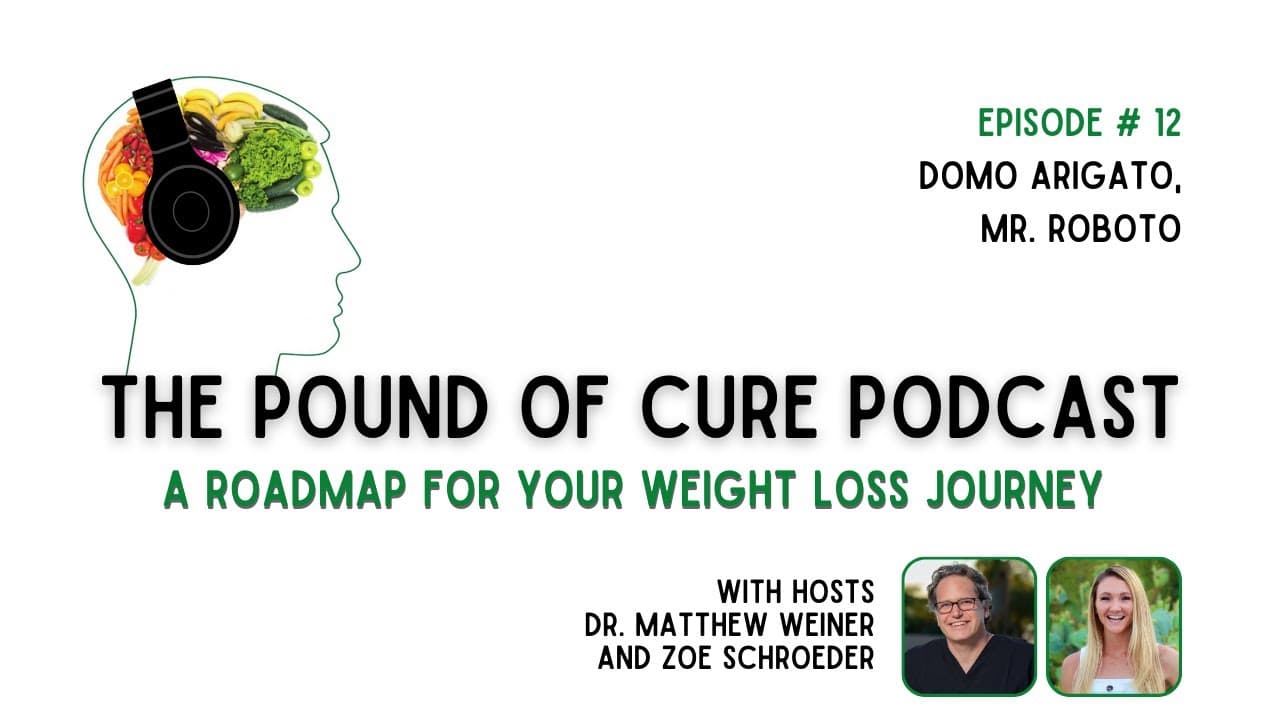
Domo Arigato, Mr. Roboto: Understanding Your Weight Loss Options
Navigating the world of weight loss can feel overwhelming with so many professionals, medications, and surgical options available. In this episode of the Pound of Cure Weight Loss podcast, Dr. Matthew Weiner and dietitian Zoe Schroeder break down the essential tools and knowledge you need for successful, sustainable weight loss.
Dietitian vs. Nutritionist: Why Credentials Matter
One of the most common questions patients ask is about the difference between dietitians and nutritionists. This distinction is more important than you might think when choosing who to trust with your health.
Talk with our team
Have questions about this episode?
Send our Tucson weight loss team a note about bariatric surgery, GLP-1 medications, nutrition, or your next step with Pound of Cure.
More from this episode
Registered dietitians undergo rigorous education and training. They complete accredited degree programs, supervised practice hours, and must pass a national examination. Most importantly, they maintain their credentials through continuing education and adhere to a professional code of ethics.
Nutritionist, on the other hand, is often an unregulated term. In many states, anyone can call themselves a nutritionist without formal training or certification. When your health is on the line, working with a qualified professional makes all the difference in achieving your goals safely and effectively.
The Role of GLP-1 Medications in Weight Loss
GLP-1 medications have transformed the landscape of medical weight loss. These medications work by mimicking hormones your body naturally produces to regulate appetite and blood sugar levels.
Patients taking GLP-1 medications often experience reduced hunger, increased feelings of fullness, and more stable blood sugar throughout the day. However, these medications are not magic pills. They work best when combined with nutritional changes, physical activity, and behavioral modifications.
Dr. Weiner and Zoe discuss how these medications fit into a comprehensive weight loss plan. Understanding realistic expectations, potential side effects, and long-term considerations helps patients make informed decisions about whether GLP-1 therapy is right for them.
Weight Loss Surgery Revisions: When Additional Help is Needed
Bariatric surgery is a powerful tool, but sometimes patients need additional interventions. Surgery revisions can help patients who have experienced weight regain or complications from their initial procedure.
Common reasons for revision surgery include:
- Inadequate weight loss or significant weight regain
- Technical complications from the original surgery
- Development of new metabolic conditions
- Changes in anatomy that affect the surgery's effectiveness
- Persistent acid reflux or other digestive issues
Revision procedures are more complex than initial bariatric surgery and require careful evaluation. Not every patient who experiences some weight regain needs revision surgery. Often, adjustments to nutrition, medication, or lifestyle can help patients get back on track.
Celebrating Patient Advocacy and Independence
The episode opens with a celebration of patient independence and advocacy. Taking control of your health journey means asking questions, understanding your options, and actively participating in treatment decisions.
Successful weight loss requires partnership between patients and their healthcare team. When you understand the reasoning behind recommendations, you are more likely to follow through and achieve lasting results.
Balancing Multiple Weight Loss Tools
The most effective approach to weight loss often involves combining multiple strategies. Medications, surgery, nutrition counseling, and behavioral support each play unique roles in helping patients reach and maintain a healthy weight.
Some patients start with medical weight loss using GLP-1 medications and later pursue bariatric surgery. Others have surgery first and may add medication later if needed. There is no single right path for everyone.
Dr. Weiner emphasizes that metabolic health extends beyond the number on the scale. Improvements in blood pressure, blood sugar, cholesterol, sleep quality, and mobility are all important markers of success. These changes often occur before significant weight loss appears.
Practical Advice for Your Weight Loss Journey
Zoe Schroeder shares practical nutrition guidance that applies whether you are using medication, preparing for surgery, or working on lifestyle changes alone. Understanding portion sizes, protein requirements, and how to navigate social situations helps set you up for long-term success.
The episode emphasizes that sustainable weight loss takes time. Quick fixes rarely lead to lasting results. Building healthy habits gradually creates a foundation that supports your goals for years to come.
Moving Forward with Confidence
Whether you are just beginning to explore weight loss options or have been on this journey for years, understanding the tools available empowers you to make the best decisions for your health. Working with qualified professionals, asking questions, and staying informed are key components of success.
The Pound of Cure Weight Loss podcast provides ongoing education and support for patients navigating their weight loss journey. Each episode offers evidence-based information delivered in an accessible, patient-friendly format.
Weight loss topics covered in this episode
This conversation is part of the Pound of Cure approach to evidence-based weight loss education, including bariatric surgery, GLP-1 medications, nutrition counseling, metabolic health, and long-term patient support.
For more context, explore our guides to GLP-1 medications, bariatric surgery in Tucson, and the Metabolic Reset Diet.
