Podcast
Episode 60March 20, 202531 min

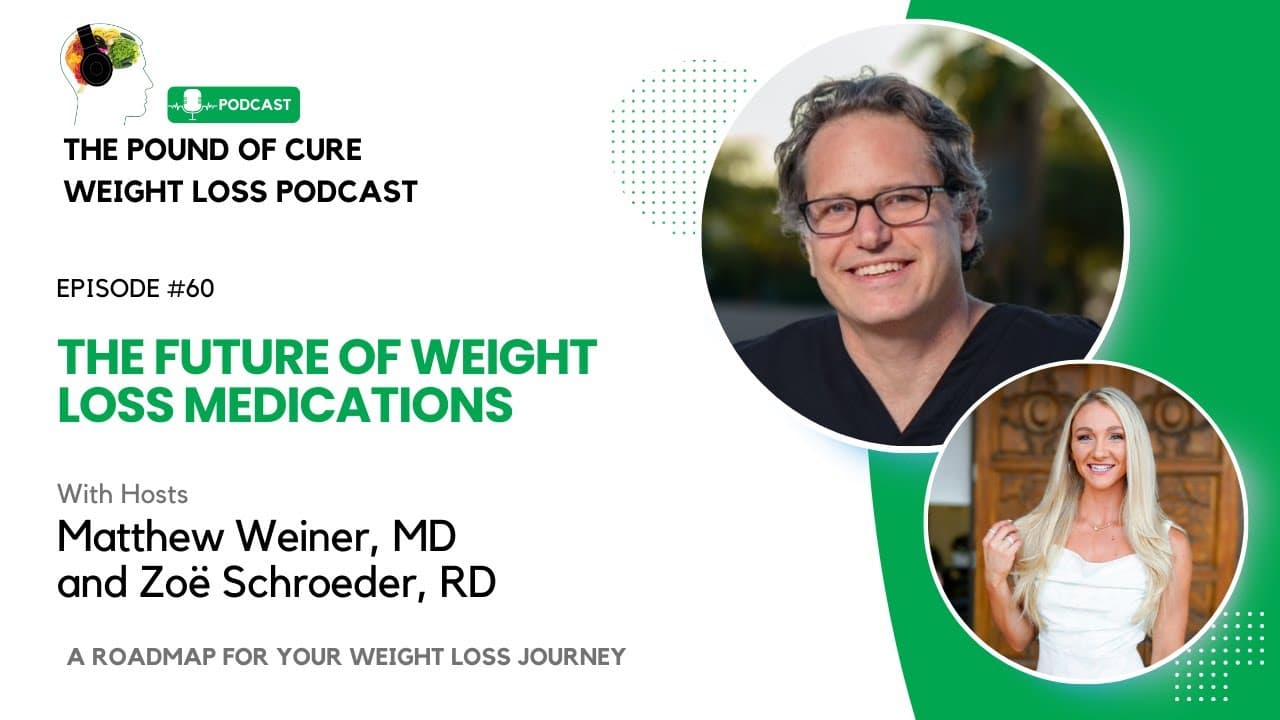
Episode 60: The End of Compounded GLP-1s: What’s Next?

Episode 60: The End of Compounded GLP-1s: What’s Next? podcast artwork

In this episode of the Pound of Cure Weight Loss Podcast, Zoë and Dr. Weiner discuss significant updates in the weight loss medication landscape, including the end of compounding medications and the implications for patients. They explore nutritional strategies for those transitioning off medications, the emerging trend of microdosing medications, and the long-term effects of Ozempic. The conversation emphasizes the importance of combining medication with lifestyle changes for sustainable wei...

Podcast Summary

The landscape of weight loss medications is undergoing significant changes, and patients need to understand what these shifts mean for their treatment options. Recent developments have brought an end to the availability of compounded GLP-1 medications, creating uncertainty for many people who have been relying on these more affordable alternatives to brand-name weight loss drugs.

Compounded medications have provided an important option for patients seeking access to GLP-1 receptor agonists at a lower cost than commercially available versions. However, regulatory changes mean these compounded versions are no longer accessible through the same channels. This shift affects thousands of patients who built their weight management strategies around these medications. The question now becomes how to move forward effectively, whether that means transitioning to FDA-approved versions, exploring alternative approaches, or implementing stronger nutritional and lifestyle strategies.

For patients who must discontinue their GLP-1 medications due to cost or availability concerns, nutrition becomes the cornerstone of maintaining progress. The fundamentals remain consistent: focusing on whole, unprocessed foods, prioritizing protein intake to preserve muscle mass, and developing sustainable eating patterns that don't rely solely on appetite suppression. Many patients find that the habits they built while on medication can carry forward, though the transition requires intentional effort and often additional support.

Protein intake deserves special attention during any transition period. Adequate protein helps maintain metabolic rate, preserves lean muscle tissue, and provides greater satiety compared to carbohydrates or fats alone. Patients should aim for protein-rich foods at each meal, including lean meats, fish, eggs, legumes, and dairy products. This nutritional foundation supports weight maintenance even without the appetite-suppressing effects of GLP-1 medications.

Talk with our team

Have questions about this episode?

Send our Tucson weight loss team a note about bariatric surgery, GLP-1 medications, nutrition, or your next step with Pound of Cure.

More from this episode

An emerging trend in weight management involves microdosing medications, using smaller amounts than standard prescribing protocols suggest. This approach may offer benefits for certain patients, potentially reducing side effects while maintaining some therapeutic effect. The strategy recognizes that not everyone needs maximum doses to achieve meaningful results, and lower doses may improve tolerability and affordability. However, this approach requires medical supervision and careful monitoring to ensure effectiveness.

Microdosing represents a middle ground for patients concerned about long-term medication use or those experiencing side effects at higher doses. Some individuals find that even modest doses help control hunger and support their behavioral changes, creating a bridge between full medication therapy and complete independence from pharmaceutical support. The key lies in finding the minimum effective dose that supports individual goals without compromising results or wellbeing.

Questions about the long-term effects of medications like Ozempic and other GLP-1 receptor agonists continue to surface as these drugs gain widespread use. While clinical trials demonstrate safety profiles over several years, the reality is that these medications haven't been used long enough in large populations to understand every potential long-term effect. What we do know suggests that for most patients, the benefits of significant weight loss and improved metabolic health outweigh theoretical long-term risks.

The cardiovascular and metabolic benefits of GLP-1 medications extend beyond weight loss alone. Studies show improvements in blood sugar control, blood pressure, cholesterol levels, and markers of inflammation. These medications appear to offer protective effects for the heart and metabolic system, which explains why they're increasingly used in patients with diabetes and cardiovascular disease, even when weight loss isn't the primary goal.

Sustainable weight management requires more than medication alone. The most successful patients combine pharmaceutical tools with meaningful lifestyle modifications, including regular physical activity, stress management, adequate sleep, and supportive social connections. Medications can make these changes easier by reducing hunger and food noise, but they work best as part of a comprehensive approach rather than a standalone solution.

Bariatric surgery remains an important option for patients with severe obesity, particularly those who haven't achieved adequate results with medications or lifestyle changes alone. The combination of surgical intervention with newer medications creates opportunities for enhanced outcomes that weren't possible in previous years. Some patients benefit from medication support before or after surgery to optimize their results.

The reality facing patients today is that weight management often requires a long-term commitment, whether through sustained lifestyle changes, ongoing medication use, or both. The end of compounded GLP-1 availability doesn't mean the end of options, but it does require adaptation and potentially new strategies. Working with knowledgeable healthcare providers who understand both the science of obesity and the practical challenges patients face makes navigation of these changes more manageable.

Moving forward, patients should focus on building resilient habits that support health regardless of medication status. This includes developing a positive relationship with food, finding enjoyable forms of movement, managing stress effectively, and creating environments that support healthy choices. These foundational elements provide stability during transitions and create the best possible outcomes over time.

Weight loss topics covered in this episode

This conversation is part of the Pound of Cure approach to evidence-based weight loss education, including bariatric surgery, GLP-1 medications, nutrition counseling, metabolic health, and long-term patient support.

For more context, explore our guides to GLP-1 medications, bariatric surgery in Tucson, and the Metabolic Reset Diet.