Podcast Summary
Episode Overview
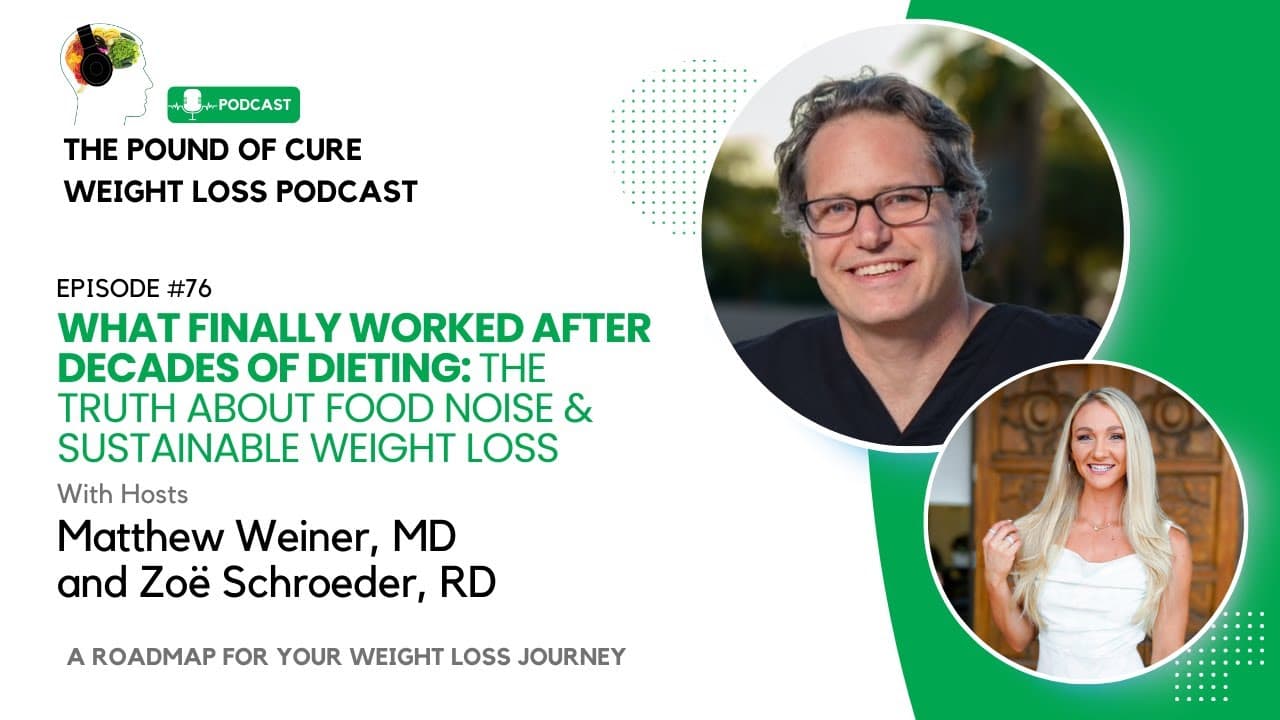
In this powerful patient interview, Ray and Lisa share their inspiring weight loss journey after more than 25 years of struggling with weight management. Despite being extremely active throughout their lives and "eating like a mouse," they could not achieve sustainable weight loss until they discovered GLP-1 medications and learned about the concept of food noise. Guided by their primary care physician and cardiologist, they began a comprehensive approach combining medication with strength training and nutrition changes. Over the past year, Ray lost 35 pounds and four pant sizes while dramatically improving his cardiovascular health markers.
Understanding Food Noise and the Struggle with Traditional Dieting
Lisa describes feeling like she lived in someone else's body for the past 20 to 25 years. As a former elementary PE teacher who was active for the first 40 years of her life, she noticed significant changes when her thyroid stopped cooperating at age 40. Despite following well-known dietary guidelines, she struggled with weight gain through menopause and felt constantly hungry.
Talk with our team
Have questions about this episode?
Send our Tucson weight loss team a note about bariatric surgery, GLP-1 medications, nutrition, or your next step with Pound of Cure.
More from this episode
The breakthrough came when Lisa learned about food noise, the brain-driven hunger signals that make portion control and willpower-based dieting nearly impossible. She realized her struggle was not about discipline or willpower but about physiological processes working against her weight loss efforts.
Ray came from a large family where the message was always "fill your plate, clean your plate." This ingrained behavior made portion control very difficult throughout his entire life. He describes being a little bit overweight his whole life and struggling with managing appropriate portion sizes.
Getting Started with GLP-1 Medication
About a year ago, Ray and Lisa consulted with their primary care physician about their ongoing weight struggles. Their doctor referred them to Pound of Cure Weight Loss to explore GLP-1 medication options. Ray also consulted his cardiologist before starting, who gave them five stars for pursuing this treatment and said "you can't go wrong, please go do this." This strong endorsement from their cardiologist pushed them to move forward with confidence.
The couple describes a period of navigating the system and scheduling appointments before officially beginning their GLP-1 journey.
The Three-Legged Stool Approach to Weight Loss
Ray and Lisa emphasize that GLP-1 medication is not the only tool needed for success. They describe their approach as a tripod with three essential elements:
Medication (GLP-1)
The medication helps manage what the body is doing by reducing food noise and controlling impulses. Ray describes the GLP-1 experience as primarily about "the management of impulse." The medication makes it much easier to catch himself before filling his plate and helps him feel perfectly comfortable saying "no ice cream today."
One significant benefit they both noticed is the physical discomfort associated with overeating. Ray explains that partway through a restaurant meal, he can feel that he will be sick if he eats the rest. This awareness makes it much easier to stop eating before reaching that uncomfortable point. Lisa agrees that this discomfort is very real, very helpful, and very impactful in changing eating behaviors.
Strength Training
They discovered that when they went up and down during the past year, if they did not do the other two elements of the tripod (strength training and nutrition), they were not as successful. They could feel a difference in their results when they neglected these components.
Nutrition
The third leg of the tripod involves making better food choices and managing portion sizes, which became much easier with the help of GLP-1 medication.
Lifetime of Activity Does Not Equal Weight Loss
Both Ray and Lisa have been very active throughout their entire lives, though not always with focused exercise programs. Their activities included canoe paddling, hiking, yard work, and building rock walls. Lisa was a championship canoe paddler, and they paddled outrigger canoes together.
Despite this high level of activity, they still struggled with weight management for decades. This demonstrates an important point that Dr. Weiner emphasizes: weight loss is not simply about discipline or activity level. The food environment and physiological factors like food noise play enormous roles.
Dr. Weiner's Perspective on Discipline
Dr. Matthew Weiner addresses the concept of discipline directly during the conversation. When Ray uses the word "discipline" to describe their past struggles, Dr. Weiner explains that he cringes at that word because weight management has absolutely nothing to do with discipline.
He explains that if it was a discipline problem, people would not need GLP-1 medications. The issue is really about physiologic drive. When people experience food noise and the drive to eat, and they live in a food-abundant environment where smart people have figured out how to get them to eat as much as possible to buy products, they really do not stand a chance.
The only people who stay thin in the current food environment are those who are resistant to the weight-gaining effects of processed foods. Dr. Weiner finds that most of his patients are disciplined people. What impressed him about Ray and Lisa was not just getting started on medication, but what they did with the lifestyle, nutrition, and strength training components.
Portion Control and Eating Strategies
Ray identifies portion control as the biggest help for him. In the moment of preparing food, he is now able to say he does not have to eat the way he was raised. It is okay to have a smaller portion.
The couple has not spent a lot of effort focusing on Mediterranean-style eating or any special dietary plan. Their approach centers mostly on portion control. They have always eaten well with rounded nutrition, though Ray admits to some backsliding with carbohydrates because he loves sugar.
Lisa uses terminology from her teaching background to think about food choices. She taught kids that there are "everyday foods" and "sometime foods." This framework helps her accept that it is okay to have a bowl of ice cream occasionally, but not for breakfast, lunch, and dinner. She finds that now a little bit of treat food is really satisfying, and she does not want the huge bowl she might have wanted before.
Restaurant Strategies
When eating out, Ray and Lisa start by looking at each other and deciding to share a meal. Alternatively, they order a to-go box when they order the food, and the meal gets cut in half immediately and placed on the side to come home. This prevents overeating and provides another meal for later.
The 630 Strength Training Program
In the past year, Ray and Lisa focused specifically on strength training to balance their general activity. They use a program through Beachbody, now called Body (B-O-D-I). They follow what is called a 630 program, which means six days a week for 30 minutes.
The routine involves:
- Strength training for upper body and lower body
- Cardio work
- Mobility exercises
- Stretching
- Range of motion work
The program includes a moderator, and participants can work with whatever weights they choose. Ray and Lisa discovered this program through their nephew who is in his 40s, a former military member who Lisa describes as "a beast." However, they realized they could modify the program for their age (Ray is 75 and Lisa is in her 60s) and still make it work effectively.
Lisa appreciates that the program is not all dance-based, which makes Ray more comfortable participating. Ray notes that he has arthritis pain, so the ability to modify is important.
They do not religiously do a workout every morning but typically exercise every other day. The program allows them to work out with two-pound weights or ten-pound weights depending on their comfort and ability. They describe it as easy, fast, and legitimate.
The workouts fit into their lifestyle because they wake up early, do their exercises, and then get on with yard work or other activities. The 30-minute time commitment is not like going to the gym for two hours, which can be very intimidating for many people.
Building Strength Training Habits Over Time
Ray and Lisa emphasize that they did not jump into everything all at once. They worked themselves into their routine, creating sustainable habits a little bit at a time. Once they felt they could sustain one change, they added something else.
They started with an online program that was easier and more beginner-focused than their current 630 program. This gradual progression helped them build the foundation they needed to sustain their current routine.
Non-Scale Victories and Quality of Life Improvements
When asked about non-scale specific wins, Ray and Lisa shared several meaningful changes:
Keeping Up with Grandchildren
Both mentioned being able to keep up with their grandchildren as a major benefit. Lisa has a goal to go snorkeling with her grandkids in Hawaii and to do more activities with them in and on the ocean.
Feeling Like Herself Again
Lisa shares an emotional win: for the past 20 to 25 years, she felt like she lived in somebody else's body and carried someone else around. Now she has the comfort of feeling like she is who she was for 40 years. She describes being "back being her," which is huge for her sense of identity and wellbeing.
Improved Balance and Stability
Ray can now put his pants on while standing on one leg, which he could not do in more recent years. As a hiker and hunter, the impact on his stability has been very evident. He always walks with a walking stick, but his dependency on it is greatly diminished.
Maintained Strength in His 70s
Ray does feel like he is weaker than he was at 65, but he is now 75, so he cannot blame that on the GLP-1. As an archer, he bought a brand new bow and can pull as strong a weight as he has ever pulled.
Improved Mental Clarity
Ray feels more alert, more engaged, and notices that his brain functions better. Dr. Weiner notes that a lot of people report this benefit.
Cardiovascular Health Improvements
Ray's cardiologist is extremely happy with his numbers. The analytical data shows that the weight loss and GLP-1 treatment have been beneficial in many ways:
- Blood pressure improvements (better than they have been in 20 to 25 years)
- Improved cholesterol (Ray is on cholesterol medication, but shows marked improvement)
- Better triglycerides
- More consistent sleep apnea numbers that are on target or somewhat improved
The cardiologist gave nothing but compliments about these ancillary factors and their very positive impact.
Advice for Strength Training in Your 60s and 70s
Dr. Weiner asks Zoe what advice she gives to someone in their 60s or 70s looking to start a GLP-1 or already on a GLP-1. How do you prevent muscle loss and what is an appropriate level of exercise?
Zoe emphasizes always meeting the patient where they are at. If someone is just starting out with a morning walk, that is great and they should continue. But can they add in strength training?
She recommends starting with 30 minutes of following along with a video or even an at-home bodyweight program (if they do not have weights yet) two days a week. Once they build that momentum, they can add onto it.
Ultimately, people can prevent muscle loss by doing intentional strength training three to four times a week. If someone is trying to actually build muscle (not just prevent loss), they might need to be doing a little bit more than 30 minutes three days a week.
The key is identifying where you are and making that sustainable, realistic next step. It is not about having more discipline or willpower. It is about creating something that works with your lifestyle, just like Ray and Lisa have done.
Can You Build Muscle in Your 60s and 70s?
Dr. Weiner directly asks Zoe if she thinks people can build muscle in their 60s and 70s. Both Ray and Lisa immediately answer yes.
Zoe agrees but explains it will be much harder and needs to be done in a much more intentional and safe way than building muscle in your 20s. Building muscle in your 20s might involve really high volume and pushing yourself really hard almost every day in the gym. In your 60s and 70s, you need to be more careful of joints and injuries and make sure you are taking care of the whole body.
To see significant increase in muscle in your 60s and 70s, you will need:
- A very intentional strength training program
- A great diet with adequate protein
- Adequate intake of all nutrients, not just protein
- Potentially some supplements to help with healthy aging and building muscle, depending on lab results
Zoe notes that she generally waits to recommend supplementation last because you cannot out-supplement a bad diet. However, there are some supplements that could potentially help with healthy aging and muscle building.
Current Goals and Maintenance Phase
Ray and Lisa are now in the maintenance phase of their journey. Ray lost four pant sizes and 35 pounds over the past year. They both have new wardrobes.
Their current goals include:
- Maintaining what they are doing with exercise
- Improving their nutrition (Lisa identifies this as her tougher part, as she tends to go to quick easy stuff and knows she could do better)
- Snorkeling with grandkids in Hawaii
- Doing more activities with grandchildren in and on the ocean
- Preparing for upcoming hunting season (for Ray)
They want to keep up the habits they have built beautifully over the past year and spend the rest of their lives in this maintenance phase.
Gratitude for the Pound of Cure Team
Ray and Lisa express deep gratitude for the Pound of Cure team. They say the team has really been so helpful and they are grateful for all the guidance, steering, and encouragement. They emphasize that they could not have done it without the team's support.
Key Takeaways
Dr. Weiner summarizes that Ray and Lisa are a real testament to being able to stay active through your entire life and the value of GLP-1 medications when combined with a thoughtful strategy of nutrition and lifestyle changes. Their story is an inspiration to people who are struggling with their weight and think they might be overweight their whole life or that the aging process is just going to keep accelerating.
Ray and Lisa have shown that it is possible to reverse that process. They both confirm that they feel younger now than they did a few years ago, which Dr. Weiner finds remarkable and inspiring.
Weight loss topics covered in this episode
This conversation is part of the Pound of Cure approach to evidence-based weight loss education, including bariatric surgery, GLP-1 medications, nutrition counseling, metabolic health, and long-term patient support.
For more context, explore our guides to GLP-1 medications, bariatric surgery in Tucson, and the Metabolic Reset Diet.