Podcast
Episode 18March 28, 202439 min

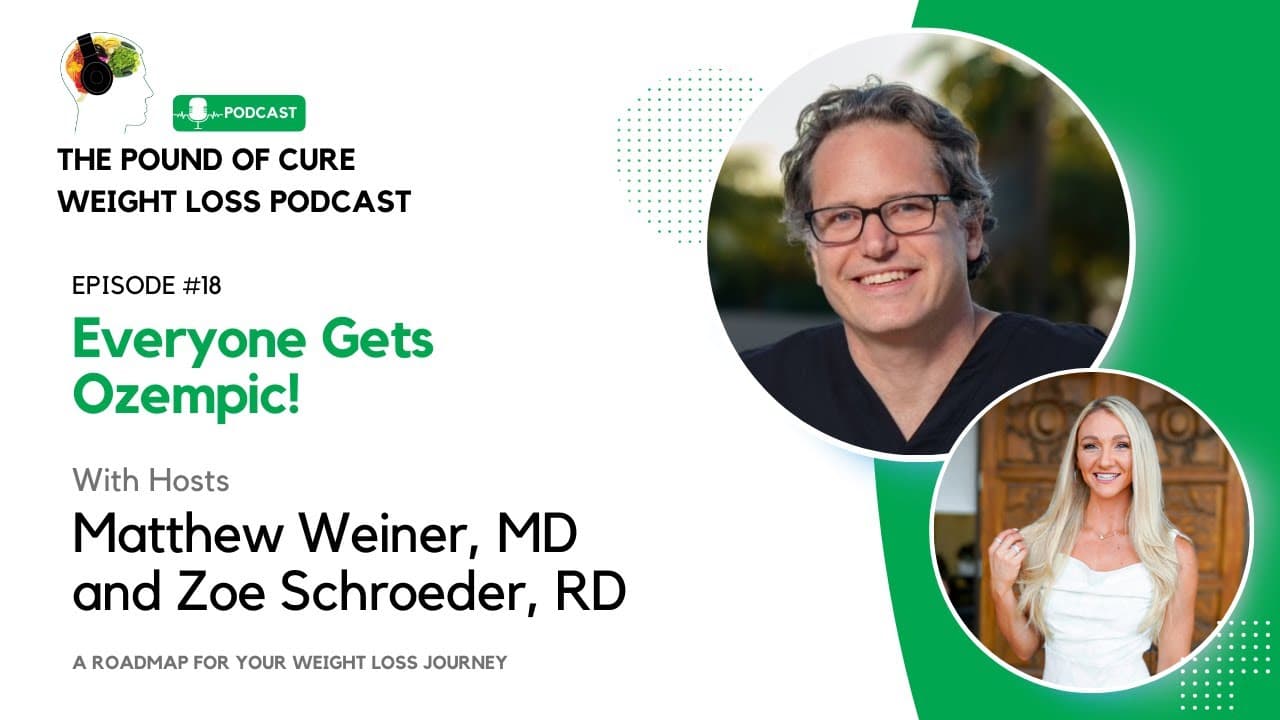
Everyone Gets Ozempic!

Everyone Gets Ozempic! podcast artwork

In this episode, we discuss the emotional toll of weight bias, the promise of medications like Ozempic, and the urgent need for accessibility and affordability in obesity treatments. We also delve into the inspiring stories of individuals on the path to better health, including Bev, who shares her impressive weight loss and improved mobility story. Plus, get ready to challenge misleading health claims and learn how to make more informed decisions in the grocery aisle. Don't miss this thought-...

Podcast Summary

Everyone Gets Ozempic: Understanding Weight Loss Medications and Accessibility

The Promise and Reality of GLP-1 Medications

Weight loss medications like Ozempic, Wegovy, and other GLP-1 treatments have transformed how we approach obesity treatment. These medications work by mimicking hormones that regulate appetite and blood sugar, helping patients achieve significant weight loss when combined with lifestyle changes.

The excitement around these medications is justified. They represent a genuine breakthrough in medical weight management. However, the conversation around GLP-1 medications must extend beyond their effectiveness to address the critical issues of accessibility and affordability that prevent many patients from benefiting from these treatments.

Talk with our team

Have questions about this episode?

Send our Tucson weight loss team a note about bariatric surgery, GLP-1 medications, nutrition, or your next step with Pound of Cure.

More from this episode

The Weight Bias Problem

One of the most important topics discussed in this episode is the emotional and psychological toll of weight bias. Patients struggling with obesity often face judgment from society, healthcare providers, and even family members. This bias creates barriers to care and adds unnecessary emotional burden to an already challenging health journey.

Understanding that obesity is a complex medical condition influenced by genetics, environment, metabolism, and numerous other factors is essential. When we treat it as a medical issue rather than a personal failing, patients can access the compassionate, evidence-based care they deserve.

Inspiring Patient Success Stories

The episode features Bev's remarkable journey toward better health. Her story highlights several important aspects of successful weight management:

  • Significant weight loss achieved through a comprehensive treatment approach
  • Improved mobility and physical function in daily activities
  • Better quality of life and increased confidence
  • Sustainable lifestyle changes that support long-term success

Patient stories like Bev's remind us that meaningful change is possible with the right support, tools, and medical guidance. Every person's journey is unique, but the common thread is commitment to better health combined with appropriate medical intervention.

The Accessibility Crisis in Obesity Treatment

While medications like Ozempic offer tremendous potential, their high cost creates a significant barrier for many patients. Insurance coverage varies widely, and out-of-pocket costs can reach thousands of dollars monthly. This creates an unfortunate situation where effective treatments exist but remain out of reach for those who need them most.

The healthcare system must work toward solutions that make these medications available to all patients who could benefit. This includes advocating for better insurance coverage, supporting policy changes, and exploring alternative treatment options for those who cannot access the newest medications.

Navigating Misleading Health Claims

Another crucial topic addressed in this episode is the prevalence of misleading health claims in the marketplace. Grocery store aisles are filled with products making bold promises about weight loss and health benefits. Learning to critically evaluate these claims helps patients make informed decisions about their nutrition and avoid wasting money on ineffective products.

When evaluating health claims, consider the source of information, look for evidence-based research, and consult with healthcare providers before making significant dietary changes. Not every product labeled as "healthy" or "weight loss friendly" delivers on its promises.

A Comprehensive Approach to Weight Management

Successful weight management typically involves multiple components working together. Medication can be a powerful tool, but it works best as part of a broader strategy that includes:

  • Nutritional counseling and meal planning
  • Regular physical activity appropriate to your fitness level
  • Behavioral support and stress management
  • Medical monitoring and adjustment of treatments
  • Addressing underlying metabolic health issues

No single approach works for everyone. The most effective treatment plans are personalized to each patient's unique circumstances, medical history, and goals.

The Importance of Metabolic Health

Beyond the number on the scale, metabolic health plays a vital role in overall wellbeing. Weight loss medications and other interventions can help improve markers like blood sugar control, blood pressure, cholesterol levels, and inflammation. These improvements often translate to reduced risk of serious conditions like heart disease, diabetes, and stroke.

Focusing on metabolic health rather than weight alone helps patients understand the full scope of benefits from their treatment. Improvements in energy levels, sleep quality, and physical function matter just as much as pounds lost.

Moving Forward with Hope and Evidence

The landscape of obesity treatment continues to evolve with new medications, better understanding of metabolic processes, and growing recognition that weight management requires medical support. While challenges around accessibility remain, the future holds promise for more patients to access effective treatments.

The key is staying informed, working with knowledgeable healthcare providers, and maintaining realistic expectations about the journey ahead. Weight loss is rarely linear, and sustainable results take time, but with proper support and evidence-based treatments, meaningful improvement is achievable for most patients willing to commit to the process.

Weight loss topics covered in this episode

This conversation is part of the Pound of Cure approach to evidence-based weight loss education, including bariatric surgery, GLP-1 medications, nutrition counseling, metabolic health, and long-term patient support.

For more context, explore our guides to GLP-1 medications, bariatric surgery in Tucson, and the Metabolic Reset Diet.