Podcast
Episode 40September 19, 202415 min

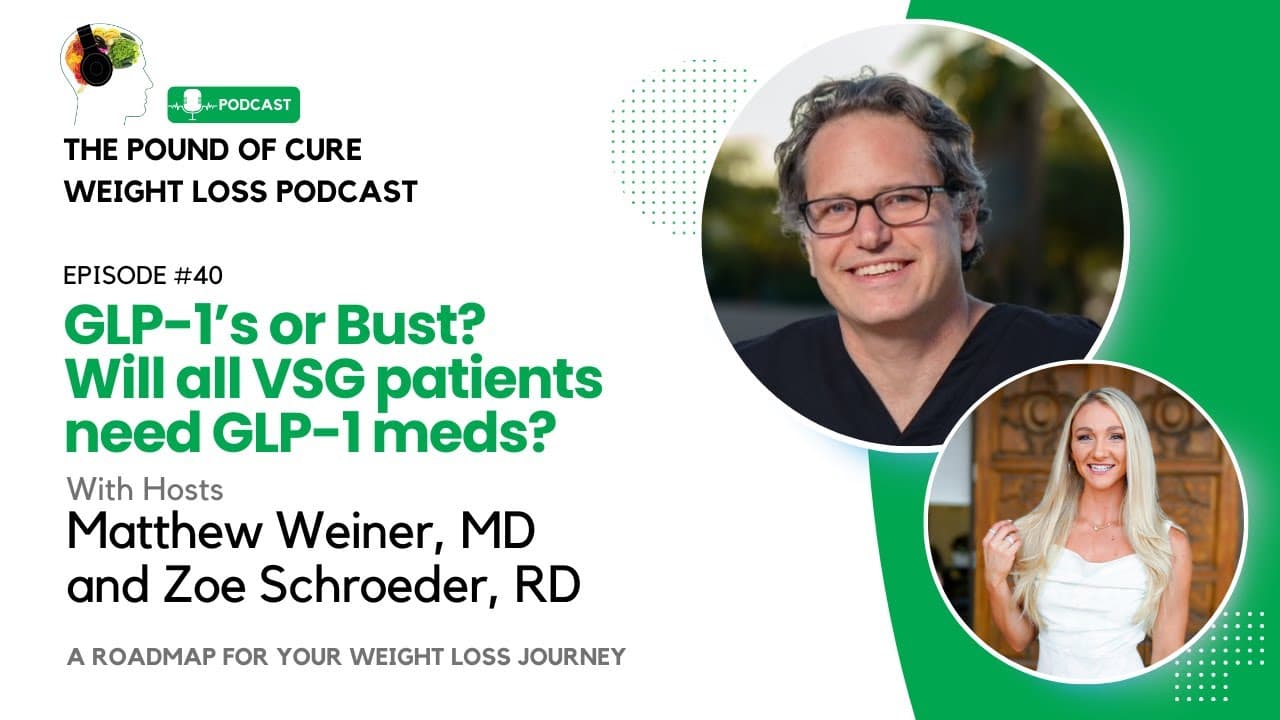
GLP-1’s or Bust? Will all VSG patients need GLP-1 meds?

GLP-1’s or Bust? Will all VSG patients need GLP-1 meds? podcast artwork

In this episode, we cover a wide range of topics related to diabetes, weight loss, and bariatric surgery. We kick things off by talking about the underlying cause of diabetes. Most people believe that diabetes is caused by an over consumption of carbohydrates. But that’s incorrect. In fact, studies show that the consumption of animal fat is what causes your insulin receptors to become less sensitive. Next, we answer the question, “How long should you be on the Metabolic Res...

Podcast Summary

Understanding Diabetes, Weight Loss, and the Role of GLP-1 Medications After Bariatric Surgery

Many people who undergo vertical sleeve gastrectomy (VSG) and other bariatric procedures wonder if they'll eventually need GLP-1 medications to maintain their weight loss. This important question affects thousands of weight loss surgery patients who want to understand their long-term treatment options and what to expect on their metabolic health journey.

The Real Cause of Diabetes: It's Not What You Think

Most people believe that eating too many carbohydrates causes diabetes. This common misconception leads many patients down the wrong path when trying to manage their blood sugar levels. The truth is more nuanced and potentially surprising.

Talk with our team

Have questions about this episode?

Send our Tucson weight loss team a note about bariatric surgery, GLP-1 medications, nutrition, or your next step with Pound of Cure.

More from this episode

Research shows that animal fat consumption is actually what causes insulin receptors to become less sensitive. This insulin resistance is the underlying mechanism that leads to type 2 diabetes. When your cells become resistant to insulin, your pancreas must produce more and more insulin to keep blood sugar levels in check. Eventually, this system can fail, resulting in diabetes.

Understanding this connection between dietary fat and insulin sensitivity helps explain why some patients struggle with blood sugar control even after bariatric surgery. It also highlights the importance of nutrition choices in your long-term metabolic health.

GLP-1 Medications and Bariatric Surgery: What Patients Need to Know

GLP-1 receptor agonists have become incredibly popular for weight loss and diabetes management. These medications include semaglutide (Ozempic and Wegovy) and tirzepatide (Mounjaro and Zepbound). They work by mimicking hormones that your body naturally produces after eating, helping to regulate blood sugar and reduce appetite.

For patients who have undergone VSG or other bariatric procedures, the question of whether GLP-1 medications will be necessary is complex. Not every bariatric surgery patient will need these medications, but some may benefit from them for various reasons.

When Might Bariatric Surgery Patients Need GLP-1 Medications?

Several factors influence whether a weight loss surgery patient might benefit from GLP-1 therapy:

  • Weight regain after initial post-surgical weight loss
  • Persistent insulin resistance or type 2 diabetes despite surgery
  • Difficulty maintaining healthy eating patterns
  • Metabolic health conditions that respond well to GLP-1 therapy
  • Individual variations in hormone production after surgery

The decision to use GLP-1 medications after bariatric surgery should be personalized based on each patient's unique situation, metabolic health markers, and weight loss goals.

The Metabolic Reset Period: How Long Should It Last?

After bariatric surgery, patients go through a metabolic reset period. This crucial time allows your body to adjust to its new anatomy and begin healing at a cellular level. Many patients wonder how long this period should last and what they should expect during this phase.

The metabolic reset period varies from person to person, but it typically involves following a structured eating plan that supports healing, promotes fat loss while preserving muscle mass, and helps reset hunger hormones. During this time, your body is learning new patterns of satiety and metabolic regulation.

Following proper nutrition guidelines during this period sets the foundation for long-term success. Rushing through this phase or not taking it seriously can compromise your results and potentially lead to complications or suboptimal weight loss.

The Importance of Nutrition in Long-Term Success

Whether or not you need GLP-1 medications after bariatric surgery often comes down to nutrition choices. The quality and composition of your diet affects insulin sensitivity, inflammation levels, and your body's ability to maintain a healthy weight.

Focusing on whole plant foods, minimizing animal fat intake, and choosing nutrient-dense options helps support insulin sensitivity naturally. This dietary approach can reduce or eliminate the need for additional medications in many patients.

Bariatric surgery is a powerful tool, but it works best when combined with evidence-based nutrition strategies. Understanding how different foods affect your metabolic health empowers you to make choices that support lasting results.

Making Informed Decisions About Your Weight Loss Journey

The relationship between bariatric surgery, GLP-1 medications, and long-term weight management is not one-size-fits-all. Some patients will thrive with surgery alone, while others may benefit from the addition of GLP-1 therapy at some point in their journey.

What matters most is working with knowledgeable healthcare providers who understand the complex interplay between surgery, medication, nutrition, and metabolic health. Having accurate information about what causes diabetes, how insulin resistance develops, and which factors truly support long-term weight management helps you advocate for yourself and make decisions aligned with your health goals.

The future of weight management likely involves personalized combinations of surgical intervention, medication when appropriate, and evidence-based nutrition strategies. Understanding all your options and the science behind them puts you in the driver's seat of your own health journey.

Weight loss topics covered in this episode

This conversation is part of the Pound of Cure approach to evidence-based weight loss education, including bariatric surgery, GLP-1 medications, nutrition counseling, metabolic health, and long-term patient support.

For more context, explore our guides to GLP-1 medications, bariatric surgery in Tucson, and the Metabolic Reset Diet.