Podcast
Episode 22April 25, 202441 min

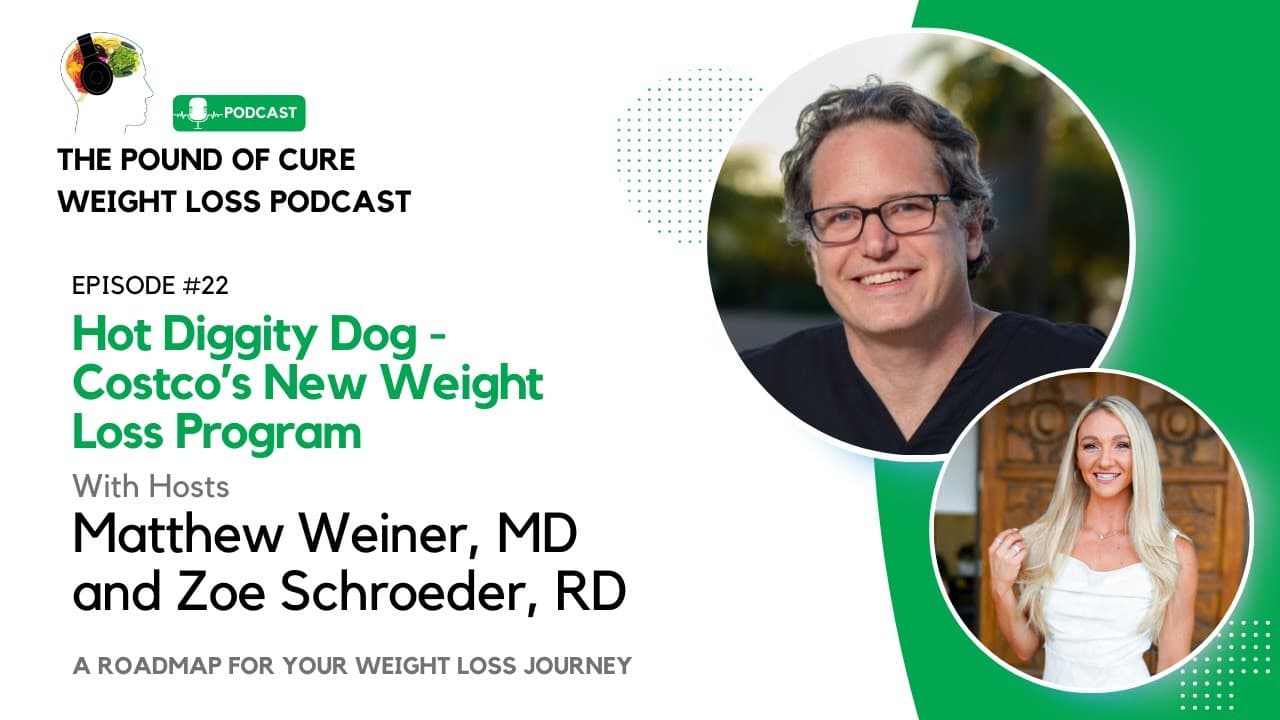
Hot Diggity Dog - Costco’s New Weight Loss Program

Hot Diggity Dog - Costco’s New Weight Loss Program podcast artwork

Episode 22 of The Pound of Cure Weight Loss podcast is titled, Hot Diggity Dog - Costco’s New Weight Loss Program. The name comes from our In the News segment where we talk about how Costco is entering the medical weight loss space. We dive into what this means for GLP-1 access and whether or not patients benefit. In our Patient Story segment, we talk to Suzanne who gained weight later in life after an early and then late pregnancy. She had some moderate success losin...

Podcast Summary

Costco Enters the Weight Loss Market: What It Means for Patients

The medical weight loss landscape is changing rapidly, and one of the most unexpected players has just entered the game. Costco, the beloved wholesale retailer known for bulk groceries and affordable hot dogs, is now offering weight loss services through their pharmacies. This development raises important questions about access to GLP-1 medications, quality of care, and what patients should consider when choosing a weight loss program.

Understanding Costco's Weight Loss Program

Costco's new initiative allows members to access prescription weight loss medications, particularly GLP-1 drugs like semaglutide and tirzepatide, through their pharmacy network. The appeal is clear: potentially lower costs and convenient access at a trusted retailer. However, convenience and price shouldn't be the only factors patients consider when embarking on a weight loss journey.

Talk with our team

Have questions about this episode?

Send our Tucson weight loss team a note about bariatric surgery, GLP-1 medications, nutrition, or your next step with Pound of Cure.

More from this episode

The broader trend of retail pharmacies and telehealth companies entering the medical weight loss space reflects the growing demand for obesity treatment. As GLP-1 medications have gained FDA approval and public attention, many businesses see an opportunity to serve patients seeking these treatments. While increased access can be beneficial, it's important to understand what comprehensive weight loss care should include.

What Makes Medical Weight Loss Effective

Successful, sustainable weight loss requires more than just a prescription. Effective programs combine multiple elements that address the complex nature of obesity and metabolic health. These components work together to help patients achieve lasting results rather than temporary fixes.

Key elements of comprehensive weight loss care include:

  • Thorough medical evaluation to identify underlying health conditions
  • Personalized nutrition counseling and meal planning support
  • Behavioral health support to address eating patterns and lifestyle habits
  • Regular monitoring and medication adjustment by experienced providers
  • Long-term follow-up care to maintain weight loss results
  • Integration with other treatments when appropriate, including potential surgical options

Suzanne's Weight Loss Journey: A Patient Perspective

Real patient experiences provide valuable insights into the weight loss process. Suzanne's story illustrates a common pattern many people face: gaining weight later in life after significant life events. After experiencing both an early pregnancy and then a late pregnancy, Suzanne found herself carrying extra weight that proved difficult to lose through diet and exercise alone.

Like many patients, Suzanne had some moderate success with traditional weight loss methods, but struggled to maintain her results over time. Her experience highlights why medical intervention and professional support can make a crucial difference. Understanding that weight gain often has complex causes beyond simple willpower helps patients approach treatment with realistic expectations and self-compassion.

GLP-1 Medications and Access to Treatment

GLP-1 receptor agonists have transformed obesity medicine by providing an effective tool for appetite regulation and metabolic improvement. These medications work by mimicking hormones that control blood sugar and reduce hunger signals. When used appropriately under medical supervision, they can help patients achieve significant weight loss.

However, access to these medications remains a challenge for many patients. Insurance coverage varies widely, and out-of-pocket costs can be substantial. This is where programs like Costco's offering may help by potentially reducing medication costs. Yet price alone doesn't guarantee successful outcomes.

The question patients should ask isn't just where they can get the cheapest prescription, but where they can receive the most comprehensive care. Medical weight loss is a journey that benefits from expert guidance, ongoing support, and individualized treatment plans that may need adjustment over time.

Choosing the Right Weight Loss Program

When evaluating any weight loss program, whether through a retail pharmacy, telehealth service, or specialized clinic, patients should consider several important factors. Does the program include regular contact with healthcare providers who specialize in obesity medicine? Is there nutritional support to help you develop sustainable eating habits? Are behavioral health resources available to address the psychological aspects of weight management?

Additionally, patients should consider whether the program can adapt to their changing needs. Some individuals may benefit from medication alone, while others might need a combination of approaches. In some cases, patients may eventually consider bariatric surgery if medication and lifestyle changes don't achieve adequate results. A quality program should be able to discuss all available options and provide continuity of care.

The Future of Weight Loss Care

The entry of major retailers into the medical weight loss space signals that obesity treatment is becoming increasingly mainstream and accessible. This is generally positive news for patients who have long struggled to find affordable, judgment-free care. However, it also underscores the importance of patient education.

As more options become available, patients need to understand what constitutes comprehensive, evidence-based care. The goal isn't just to lose weight quickly, but to improve overall metabolic health and maintain results for life. This requires partnership with knowledgeable providers who view weight loss as a medical issue requiring ongoing management, not just a prescription to fill.

Whether you're considering a program at Costco, a specialized weight loss clinic in Tucson, or any other option, take time to evaluate the full scope of services offered. Your health deserves more than a transactional approach. Look for programs that treat you as a whole person and provide the support needed for long-term success.

Weight loss topics covered in this episode

This conversation is part of the Pound of Cure approach to evidence-based weight loss education, including bariatric surgery, GLP-1 medications, nutrition counseling, metabolic health, and long-term patient support.

For more context, explore our guides to GLP-1 medications, bariatric surgery in Tucson, and the Metabolic Reset Diet.