Podcast
Episode 28June 6, 202447 min

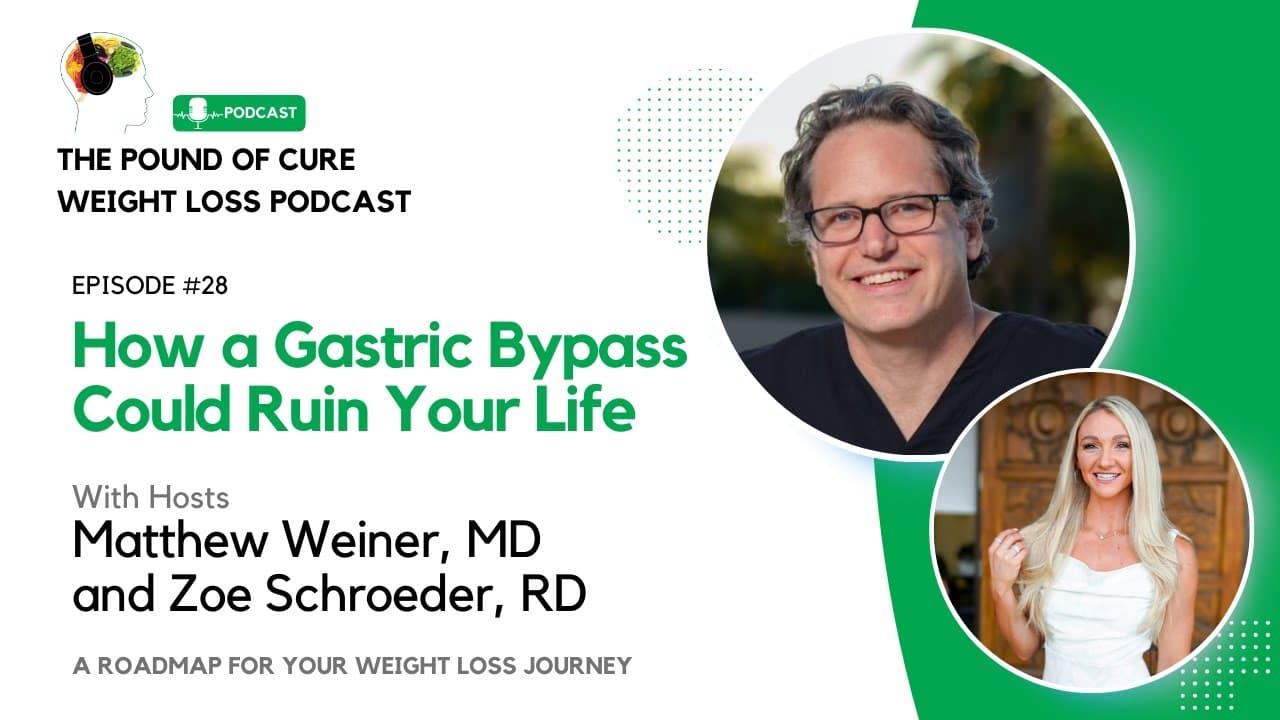
How a Gastric Bypass Could Ruin Your Life

How a Gastric Bypass Could Ruin Your Life podcast artwork

Episode 28 of The Pound of Cure Weight Loss Podcast is titled, How a Gastric Bypass Could Ruin Your Life. The title comes from our In the News segment we cover an article in Medscape titled, Alcohol to Blame: Weight Regain After Bariatric Surgery. It should come as no surprise that alcohol consumption could lead to weight gain. What could be surprising is the 5x increased risk of alcoholism after a gastric bypass and 2x increased risk of alcoholism after a sleeve. Tune in to learn why!...

Podcast Summary

Understanding the Hidden Risks of Gastric Bypass Surgery

Weight loss surgery can seem like an attractive solution for those struggling with obesity, but bariatric procedures come with risks that extend far beyond the operating room. This episode of The Pound of Cure Weight Loss Podcast explores a surprising and serious complication that many patients never anticipate: a dramatically increased risk of alcohol use disorder following gastric bypass and sleeve gastrectomy.

The Alarming Connection Between Bariatric Surgery and Alcoholism

Recent research published in Medscape reveals troubling statistics about alcohol consumption after weight loss surgery. Patients who undergo gastric bypass face a five times higher risk of developing alcoholism compared to the general population. Those who choose sleeve gastrectomy experience a doubled risk. These numbers represent a significant health concern that deserves serious consideration before choosing surgical intervention for weight loss.

Talk with our team

Have questions about this episode?

Send our Tucson weight loss team a note about bariatric surgery, GLP-1 medications, nutrition, or your next step with Pound of Cure.

More from this episode

The mechanism behind this increased vulnerability involves both physical and psychological factors. After bariatric surgery, the digestive system processes alcohol differently, leading to faster absorption and higher blood alcohol levels. What might have been a moderate drinking habit before surgery can quickly spiral into addiction afterward. The altered anatomy changes how quickly alcohol enters the bloodstream, creating a more intense and rapid effect that can be both surprising and dangerous.

Why Your Body Responds Differently to Alcohol After Surgery

The restructured digestive tract following gastric bypass or sleeve gastrectomy fundamentally changes alcohol metabolism. Without the normal stomach capacity to slow absorption, alcohol moves rapidly into the small intestine where it enters the bloodstream much faster. This creates higher peak blood alcohol concentrations and can lead to unexpected intoxication from smaller amounts of alcohol.

Patients often report feeling the effects of alcohol much more quickly and intensely after bariatric surgery. What used to require several drinks to achieve now happens with just one. This heightened sensitivity, combined with the psychological challenges of major lifestyle changes, creates a perfect storm for addiction.

The Psychological Component of Post-Surgical Addiction Risk

Beyond the physical changes, the emotional journey after bariatric surgery plays a significant role in addiction vulnerability. Many patients who previously used food as a coping mechanism for stress, anxiety, or depression find themselves searching for a replacement after surgery restricts their eating. Alcohol can become that substitute, offering temporary emotional relief but leading to long-term complications.

The period following weight loss surgery often involves major life adjustments, changing relationships, and evolving self-image. These stressors can increase the temptation to turn to substances for comfort, especially when the previous coping strategy of overeating is no longer available.

Key Takeaways About Bariatric Surgery and Alcohol Risk

  • Gastric bypass increases alcoholism risk by 5 times compared to the general population
  • Sleeve gastrectomy doubles the risk of developing alcohol use disorder
  • Altered digestive anatomy causes faster alcohol absorption and higher blood alcohol levels
  • Patients experience stronger effects from smaller amounts of alcohol
  • Psychological factors and loss of food as a coping mechanism contribute to addiction vulnerability
  • These risks should be thoroughly discussed before choosing surgical weight loss options

Considering Safer Alternatives for Sustainable Weight Loss

Understanding these serious complications highlights the importance of exploring all weight loss options before committing to surgery. Non-surgical approaches to metabolic health and weight management may offer effective results without the elevated addiction risks associated with bariatric procedures.

Comprehensive weight loss programs that address nutrition, behavior modification, and metabolic health can provide sustainable results. For some patients, newer medical therapies combined with lifestyle interventions offer significant weight loss without permanently altering digestive anatomy. The key is finding an approach that addresses the root causes of weight gain while minimizing long-term health risks.

Making an Informed Decision About Your Weight Loss Journey

Anyone considering bariatric surgery deserves complete information about both the benefits and the risks. The increased vulnerability to alcohol use disorder represents a serious complication that can potentially replace one health crisis with another. Before making this irreversible decision, patients should thoroughly discuss these risks with their healthcare providers and consider whether less invasive options might achieve their goals.

Weight loss surgery is not a simple fix, and the consequences extend far beyond the initial recovery period. Understanding how these procedures affect your body's response to alcohol, along with the psychological challenges of post-surgical life, is essential for making the right choice for your long-term health and wellbeing. The goal should always be sustainable weight loss that improves overall quality of life without introducing new risks that could undermine your health in different ways.

Weight loss topics covered in this episode

This conversation is part of the Pound of Cure approach to evidence-based weight loss education, including bariatric surgery, GLP-1 medications, nutrition counseling, metabolic health, and long-term patient support.

For more context, explore our guides to GLP-1 medications, bariatric surgery in Tucson, and the Metabolic Reset Diet.