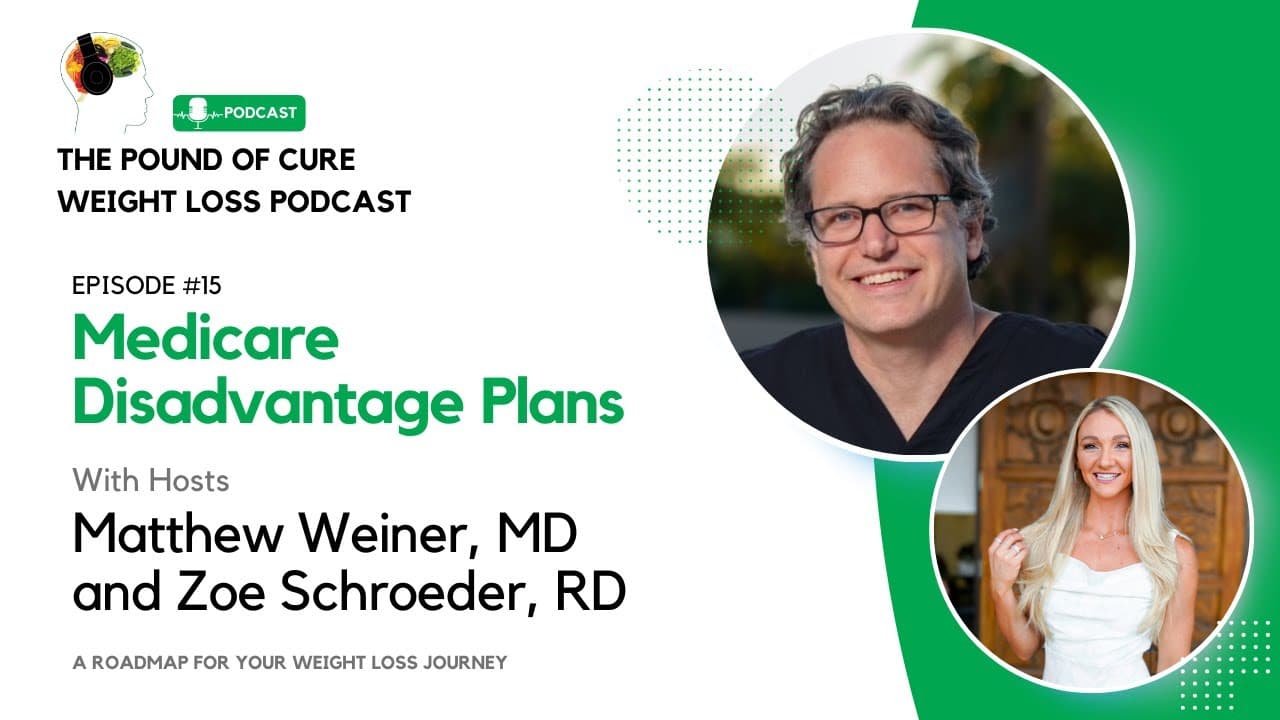
Podcast
Episode 15March 6, 202445 min

How to End Obesity Bias

How to End Obesity Bias podcast artwork

Ever wondered how the convoluted marketing strategies of Medicare Disadvantaged Plans influence our healthcare choices? Join us as we unravel the complexities of these plans, and the limitations seniors face when choosing a Medicare plan. During a riveting general surgery marathon at Tucson Medical Center, I was reminded of how our personal health journeys intertwine with the broader healthcare narrative. We'll also celebrate life's milestones, from weddings to weight loss triumphs, and discu...

Podcast Summary

How to End Obesity Bias: Understanding Weight Stigma in Healthcare

The Hidden Impact of Weight Bias

Weight bias and obesity stigma remain pervasive problems in healthcare, affecting how patients receive treatment and how they view themselves. This episode explores the complex ways that prejudice against people living with obesity influences medical care, insurance coverage, and personal health decisions.

Many healthcare professionals, despite their medical training, harbor unconscious biases about weight. These biases can lead to delayed diagnoses, inadequate treatment, and patients avoiding necessary medical care due to past negative experiences. Understanding and addressing these prejudices is essential for improving health outcomes.

Talk with our team

Have questions about this episode?

Send our Tucson weight loss team a note about bariatric surgery, GLP-1 medications, nutrition, or your next step with Pound of Cure.

More from this episode

Medicare Plans and Healthcare Access

The episode examines how Medicare Advantage Plans use complicated marketing strategies that can confuse seniors seeking healthcare coverage. These plans often have limitations that aren't immediately apparent, affecting access to weight management treatments and bariatric care.

When choosing a Medicare plan, seniors face numerous restrictions that may impact their ability to receive comprehensive obesity treatment. The confusion surrounding plan options can prevent patients from getting the metabolic health support they need during critical years.

Real Healthcare Experiences

Drawing from experiences in general surgery, the episode highlights how weight bias appears in everyday medical settings. Healthcare providers sometimes make assumptions about patients based on body size rather than conducting thorough medical evaluations.

These real-world examples demonstrate why addressing obesity bias is not just a matter of sensitivity but a crucial component of quality medical care. Patients deserve evidence-based treatment regardless of their weight or body composition.

Key Points About Obesity Bias:

• Weight stigma exists throughout the healthcare system, from insurance coverage to clinical encounters • Bias can prevent patients from seeking necessary medical care and following through with treatments • Medicare Advantage Plans may limit access to comprehensive weight management options • Healthcare providers need ongoing education about obesity as a complex medical condition • Personal health journeys intersect with broader healthcare policy decisions

Celebrating Health Victories

Despite the challenges posed by systemic bias, the episode also celebrates important milestones in weight loss and metabolic health. Success stories remind us that sustainable change is possible when patients have access to appropriate medical support and evidence-based treatments.

These victories extend beyond numbers on a scale. They include improved mobility, better management of chronic conditions, enhanced quality of life, and the confidence that comes from taking control of one's health journey.

The Role of Comprehensive Treatment

Addressing obesity effectively requires a multifaceted approach that combines medical intervention, nutritional guidance, and behavioral support. Whether through surgical options or medication-assisted treatment, patients benefit most when their care team addresses obesity as the complex metabolic condition it truly is.

Modern weight management has evolved significantly, offering more tools than ever before. However, access to these treatments remains uneven, often influenced by insurance restrictions and persistent misconceptions about obesity.

Moving Forward: Ending Stigma

Ending obesity bias requires effort at multiple levels. Healthcare systems must implement policies that treat obesity as a medical condition deserving of comprehensive coverage. Medical professionals need training to recognize and counteract their own unconscious biases.

Patients also play a role by advocating for themselves and seeking providers who offer respectful, evidence-based care. No one should tolerate discrimination or substandard treatment because of their weight.

The Broader Healthcare Conversation

This discussion about obesity bias connects to larger conversations about healthcare access, insurance coverage, and the quality of medical care in America. The marketing tactics used by some insurance plans reflect a system that often prioritizes profits over patient outcomes.

Understanding these connections helps patients navigate a complex healthcare landscape. When people recognize how systemic issues affect their individual care, they can make more informed decisions and advocate more effectively for their health needs.

Taking Action

If you have experienced weight bias in healthcare settings, know that you deserve better. Seek out providers who understand obesity as a medical condition and who offer comprehensive, respectful care. Ask questions about insurance coverage for weight management treatments before enrolling in any plan.

Change happens when individuals speak up about their experiences and when healthcare professionals commit to examining their own biases. By bringing these issues into the open, we create opportunities for systemic improvements that benefit everyone seeking metabolic health support.

Related Pound of Cure resources include bariatric surgery in Tucson, and GLP-1 medication options.

Weight loss topics covered in this episode

This conversation is part of the Pound of Cure approach to evidence-based weight loss education, including bariatric surgery, GLP-1 medications, nutrition counseling, metabolic health, and long-term patient support.

For more context, explore our guides to GLP-1 medications, bariatric surgery in Tucson, and the Metabolic Reset Diet.