Podcast Summary
Understanding and Silencing Food Noise
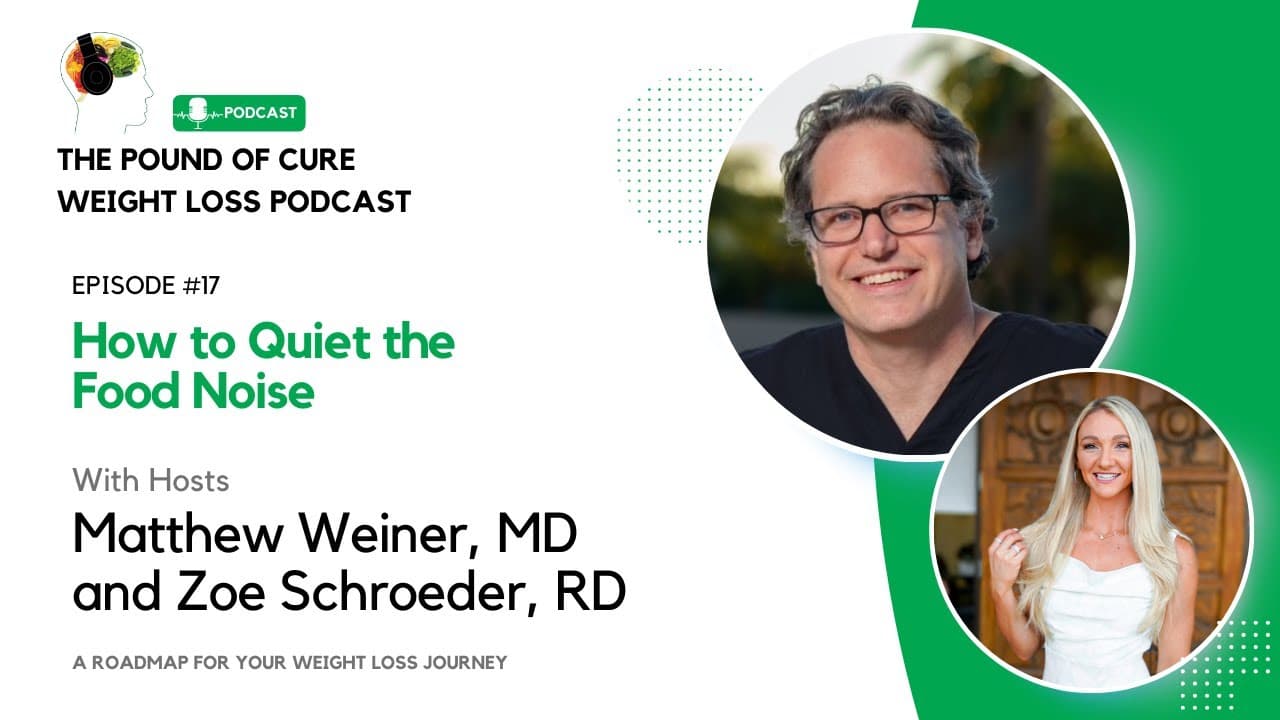
Many people struggling with weight loss describe a constant mental chatter about food that feels impossible to ignore. This internal dialogue, often called "food noise," involves persistent thoughts about what to eat next, cravings, meal planning, and food-related anxiety. In this episode of the Pound of Cure Weight Loss podcast, we explore practical strategies to quiet this exhausting mental soundtrack and regain control over your relationship with food.
What Is Food Noise and Why Does It Happen?
Food noise represents the relentless mental preoccupation with eating that many individuals experience throughout their day. Unlike normal hunger signals, this phenomenon involves intrusive thoughts that persist even after eating satisfying meals. The biological roots of food noise often trace back to hormonal imbalances, insulin resistance, and disrupted satiety signals in the brain.
Talk with our team
Have questions about this episode?
Send our Tucson weight loss team a note about bariatric surgery, GLP-1 medications, nutrition, or your next step with Pound of Cure.
More from this episode
When your body's metabolic health is compromised, the normal feedback loops that tell you when you're full simply don't function properly. This creates a frustrating cycle where you feel hungry shortly after eating, constantly think about your next meal, and struggle to feel genuinely satisfied.
Josh's Inspiring 160-Pound Weight Loss Journey
Our guest Josh shares his remarkable transformation story, having lost 160 pounds through bariatric surgery and a commitment to sustainable lifestyle changes. His experience highlights how addressing the underlying causes of food noise can create lasting results.
Josh's approach centered on incremental fitness goals using the SMART framework (Specific, Measurable, Achievable, Relevant, and Time-bound). Rather than attempting dramatic overnight changes, he built sustainable habits gradually. This method proved crucial for long-term success and helped him find genuine joy in movement and community support.
His story demonstrates that successful weight loss isn't just about willpower or restricting calories. It requires addressing the biological factors that drive constant food thoughts and hunger.
The Role of GLP-1 Medications in Reducing Food Noise
GLP-1 medications like Ozempic, Wegovy, and Mounjaro have gained significant attention for their effectiveness in weight loss. One of their most profound benefits is the dramatic reduction in food noise that patients report.
These medications work by mimicking natural hormones that regulate appetite and blood sugar. Patients frequently describe a sense of peace around food they haven't experienced in years. The constant mental chatter quiets, making it easier to make thoughtful food choices rather than responding to relentless cravings.
While GLP-1 medications can be powerful tools, they work best as part of a comprehensive approach that includes nutrition counseling and lifestyle modifications.
How Bariatric Surgery Quiets Food Thoughts
Bariatric surgery offers another pathway to silencing food noise through both mechanical and hormonal mechanisms. Procedures like gastric sleeve and gastric bypass physically reduce stomach size while also triggering hormonal changes that affect appetite regulation.
Many bariatric surgery patients report a dramatic shift in their relationship with food almost immediately after surgery. The constant preoccupation with eating diminishes, making it easier to focus on other aspects of life. This biological reset provides a foundation for developing healthier eating patterns and establishing new routines.
The success of bariatric surgery depends heavily on commitment to nutritional guidelines and ongoing lifestyle changes. The surgery creates opportunity, but lasting results require patient participation.
Nutrition Strategies for Managing Food Noise
Proper nutrition plays a fundamental role in managing food noise, regardless of whether you pursue medical or surgical interventions. Key dietary approaches include:
- Prioritizing protein at every meal to enhance satiety and stabilize blood sugar
- Reducing processed carbohydrates that trigger insulin spikes and subsequent cravings
- Including healthy fats that promote fullness and reduce snacking urges
- Eating regular meals to prevent extreme hunger that amplifies food thoughts
- Staying well-hydrated, as thirst often masquerades as hunger
Finding Joy and Community in Your Weight Loss Journey
Josh's story emphasizes the importance of discovering enjoyment in the process rather than viewing weight loss as pure deprivation. Finding physical activities you genuinely enjoy makes sustainable change possible. Whether that's walking, swimming, group fitness classes, or recreational sports, movement should add to your life rather than feel like punishment.
Community support also proves invaluable. Connecting with others who understand the challenges of weight loss provides accountability, encouragement, and shared wisdom. Many people find that support groups, whether in-person or online, help them stay motivated during difficult moments.
Taking the Next Step Toward Quieter Food Thoughts
If constant food noise disrupts your daily life and previous weight loss attempts haven't provided lasting relief, it may be time to explore medical solutions. Both GLP-1 medications and bariatric surgery offer proven pathways to reducing the mental burden of food obsession.
The key is finding an approach that addresses the biological drivers of your hunger and food preoccupation. With the right support and interventions, you can experience the peace of a quieter mind and build a healthier relationship with eating that supports your long-term wellness goals.
Weight loss topics covered in this episode
This conversation is part of the Pound of Cure approach to evidence-based weight loss education, including bariatric surgery, GLP-1 medications, nutrition counseling, metabolic health, and long-term patient support.
For more context, explore our guides to GLP-1 medications, bariatric surgery in Tucson, and the Metabolic Reset Diet.
