Podcast Summary
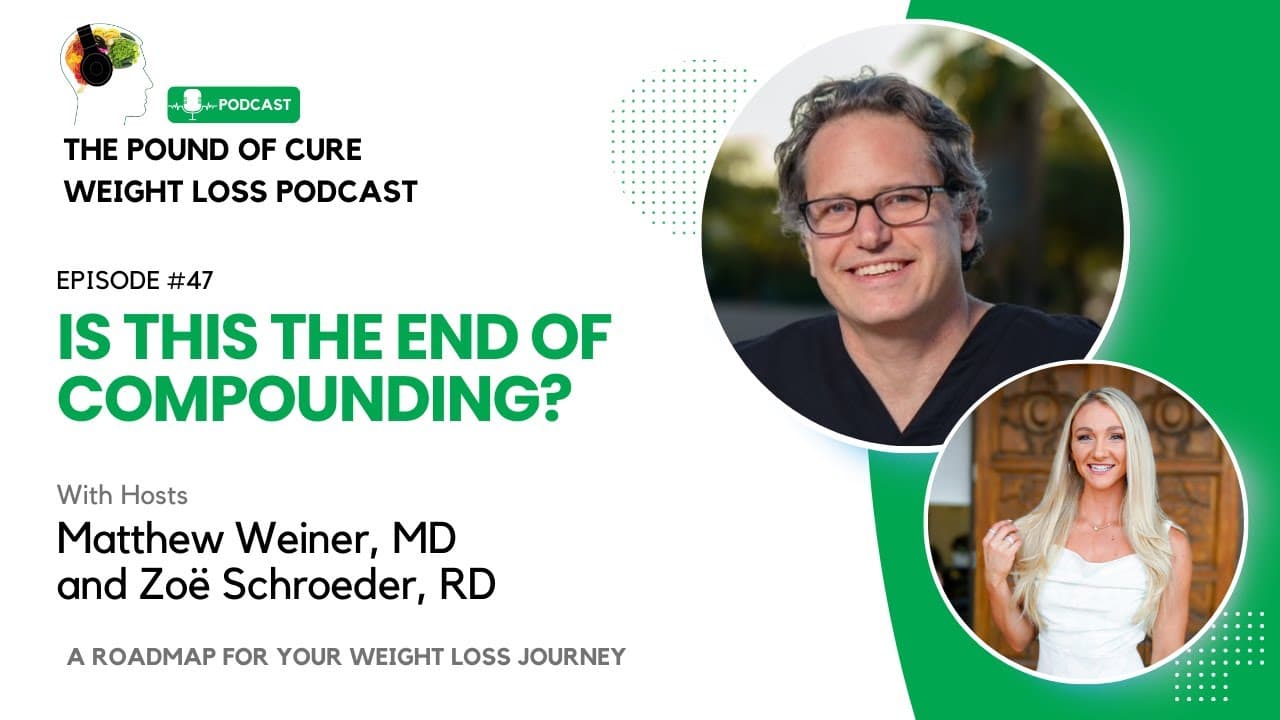
Is This the End of Compounding? Understanding GLP-1 Medications and Ultra-Processed Foods
In this important episode of the Pound of Cure Weight Loss Podcast, Dr. Matthew Weiner and registered dietitian Zoe Schroeder explore critical topics affecting anyone on a weight loss journey. From the future of compounded GLP-1 medications to the hidden dangers lurking in ultra-processed foods, this discussion provides essential information for patients seeking sustainable weight management solutions.
The Compounded GLP-1 Medication Landscape
Compounded versions of popular GLP-1 medications have provided an affordable alternative for many patients struggling with obesity. However, recent developments in the pharmaceutical industry may threaten access to these compounded options. Dr. Weiner explains what compounding means and why pharmacies have been able to create these alternatives during medication shortages.
Talk with our team
Have questions about this episode?
Send our Tucson weight loss team a note about bariatric surgery, GLP-1 medications, nutrition, or your next step with Pound of Cure.
More from this episode
The conversation addresses key concerns for patients currently using compounded semaglutide or tirzepatide. Understanding the regulatory environment and potential changes helps patients make informed decisions about their treatment plans. While branded medications remain effective, the cost difference has made compounded versions essential for many people seeking medical weight loss support.
For those worried about losing access to compounded medications, this episode offers practical guidance on next steps. The discussion emphasizes working closely with healthcare providers to ensure continuity of care, regardless of which medication formulation becomes available.
Ultra-Processed Foods and Heart Disease Risk
A groundbreaking study published in The Lancet reveals that ultra-processed foods comprise approximately 73% of the U.S. food supply. This staggering statistic has serious implications for metabolic health and cardiovascular disease risk. Dr. Weiner and Zoe break down what qualifies as ultra-processed and why these foods pose particular dangers.
Not all ultra-processed foods carry the same health risks. The research identifies specific categories that show stronger associations with heart disease and other chronic conditions. Understanding these distinctions helps patients make better choices when navigating modern food environments.
Key characteristics of ultra-processed foods include:
- Industrial formulations with five or more ingredients
- Presence of additives like emulsifiers, artificial colors, and preservatives
- Minimal whole food ingredients
- Engineered for hyperpalatability and long shelf life
- Often high in refined carbohydrates, unhealthy fats, and sodium
The podcast explores practical strategies for reducing ultra-processed food consumption without feeling deprived. Small, sustainable changes in eating patterns can lead to significant improvements in both weight management and overall health outcomes.
Plant-Based Meat Alternatives: Healthy or Hype?
As plant-based meat substitutes gain popularity, many patients wonder whether these products support weight loss and better health. Dr. Weiner and Zoe examine the nutritional profile of processed meat alternatives compared to both traditional meat and whole plant proteins.
While these products may serve specific dietary preferences or environmental goals, their ultra-processed nature raises important nutritional questions. Many contain long ingredient lists with additives designed to mimic the taste and texture of meat. This processing often strips away the benefits typically associated with whole plant foods.
The discussion emphasizes that not all plant-based eating looks the same. Choosing whole food sources of protein like legumes, nuts, and minimally processed soy products offers nutritional advantages over heavily engineered meat substitutes. For patients focused on weight loss, understanding protein quality and satiety factors becomes especially important.
Practical Takeaways for Weight Loss Success
This episode reinforces that sustainable weight management requires more than medication alone. While GLP-1 medications provide powerful tools for appetite regulation and metabolic improvement, nutrition quality profoundly impacts long-term success. Reducing dependence on ultra-processed foods supports better outcomes whether patients pursue medical weight loss, bariatric surgery, or lifestyle modification alone.
Dr. Weiner encourages patients to view their weight loss journey as an opportunity to rebuild their relationship with food. Learning to identify and avoid the most harmful ultra-processed products while incorporating more whole foods creates a foundation for lasting change.
The conversation also addresses the psychological aspects of food choice in modern environments. Understanding how food engineering affects appetite and cravings helps patients develop strategies for navigating challenging situations. This knowledge proves valuable regardless of which weight loss approach someone pursues.
Moving Forward with Confidence
Changes in medication access and evolving nutrition science can feel overwhelming for patients working hard to lose weight. This episode provides clarity and reassurance during uncertain times. Whether dealing with potential changes to compounded medications or trying to improve diet quality, patients benefit from staying informed and maintaining open communication with their healthcare team.
The Pound of Cure podcast continues to deliver evidence-based information that empowers patients to make informed decisions about their health. By addressing both pharmaceutical developments and nutritional science, Dr. Weiner and Zoe provide comprehensive support for anyone committed to achieving and maintaining a healthy weight.
Weight loss topics covered in this episode
This conversation is part of the Pound of Cure approach to evidence-based weight loss education, including bariatric surgery, GLP-1 medications, nutrition counseling, metabolic health, and long-term patient support.
For more context, explore our guides to GLP-1 medications, bariatric surgery in Tucson, and the Metabolic Reset Diet.
