Podcast Summary
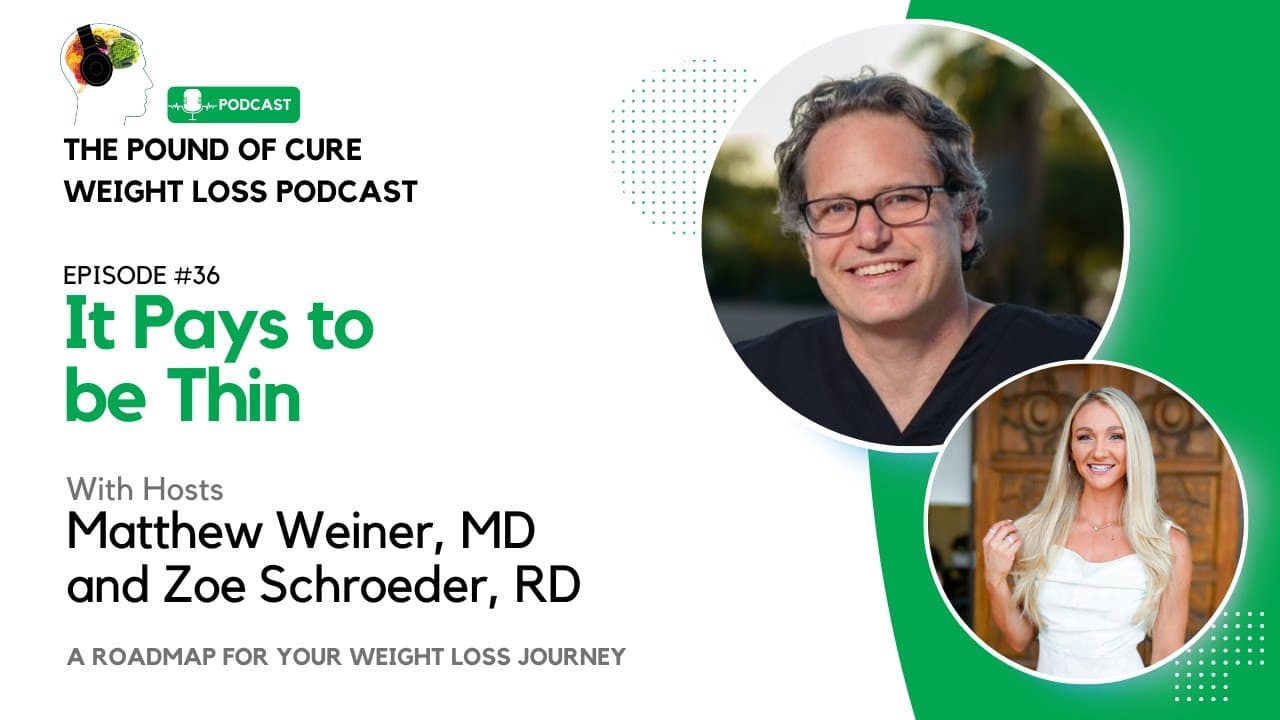
The Real Cost of Weight Loss: GLP-1 Medications and Comprehensive Treatment
Weight loss is more than just a personal health journey. It's increasingly becoming a national conversation involving pharmaceutical companies, insurance coverage, and government oversight. This episode explores why these discussions matter for anyone struggling with obesity and metabolic health challenges.
Senate Hearing Puts GLP-1 Medication Pricing Under the Microscope
The CEO of Novo Nordisk recently appeared before a Senate committee to address concerns about GLP-1 medication pricing. Novo Nordisk manufactures some of the most widely discussed weight loss medications on the market today. The hearing focused on why these medications cost significantly more in the United States compared to other countries and how insurance coverage affects patient access.
Talk with our team
Have questions about this episode?
Send our Tucson weight loss team a note about bariatric surgery, GLP-1 medications, nutrition, or your next step with Pound of Cure.
More from this episode
For patients considering GLP-1 medications as part of their weight loss strategy, this hearing represents an important moment. The scrutiny on pricing and insurance coverage could eventually impact who can access these treatments and at what cost. Understanding the broader landscape of medication availability helps patients make informed decisions about their treatment options.
Why Combination Approaches Work Best for Weight Loss
Leslie's transformation story demonstrates a crucial principle in weight management: there is no single solution that works for everyone. Her journey required multiple interventions working together, including nutrition counseling, structured exercise programs, GLP-1 medications, and ultimately bariatric surgery.
Many patients feel frustrated when one approach doesn't deliver the results they hoped for. Leslie's story shows that combining different treatment modalities often produces better outcomes than relying on any single method. This combination approach addresses obesity from multiple angles simultaneously, tackling the complex metabolic, behavioral, and physiological factors that contribute to weight gain.
The Financial Benefits of Achieving a Healthy Weight
Beyond the obvious health improvements, maintaining a healthy weight offers significant financial advantages. Medical costs associated with obesity-related conditions like diabetes, heart disease, and joint problems add up quickly. Prescription medications for these conditions, frequent doctor visits, and potential hospitalizations create an ongoing financial burden.
People who successfully lose weight and maintain that loss often see reductions in:
- Prescription medication costs for blood pressure, diabetes, and cholesterol
- Doctor visits and specialist consultations
- Medical equipment and supplies
- Lost work productivity and sick days
- Insurance premiums in some cases
The investment in comprehensive weight loss treatment, whether through GLP-1 medications, bariatric surgery, or structured programs, often pays for itself through reduced healthcare costs over time. This doesn't even account for improved quality of life, increased energy, and better mobility.
Understanding Your Weight Loss Options
The current landscape of weight loss treatment offers more options than ever before. GLP-1 medications have opened new possibilities for patients who struggled with traditional diet and exercise approaches. These medications work by mimicking hormones that regulate appetite and blood sugar, helping patients feel fuller longer and making it easier to maintain a reduced-calorie diet.
However, medications alone rarely provide a complete solution. Nutrition guidance helps patients make sustainable food choices that support their goals. Exercise builds muscle mass, improves metabolic health, and helps maintain weight loss over the long term. For some patients with severe obesity or significant metabolic complications, bariatric surgery provides a powerful tool that can reset metabolic function and enable substantial weight loss.
Taking Control of Your Metabolic Health
Metabolic health encompasses more than just the number on the scale. It includes blood sugar regulation, cholesterol levels, blood pressure, inflammation markers, and how efficiently your body processes nutrients. Improving metabolic health reduces the risk of serious conditions like type 2 diabetes, cardiovascular disease, fatty liver disease, and certain cancers.
The conversations happening at the national level about medication access and pricing matter because they affect real people trying to improve their metabolic health. When treatments become more accessible and affordable, more patients can benefit from comprehensive approaches that combine medication, nutrition, exercise, and when appropriate, surgical interventions.
Moving Forward with Your Weight Loss Journey
Whether you're just beginning to explore weight loss options or you've been working on this challenge for years, understanding the full range of available treatments helps you make better decisions. The political and economic discussions around GLP-1 medications signal growing recognition that obesity is a serious medical condition deserving of comprehensive treatment options.
Consider working with healthcare providers who understand that successful weight management often requires a personalized combination of approaches. What worked for Leslie or any other patient may need to be adapted to fit your unique situation, medical history, and goals. The key is finding knowledgeable support and being open to multiple treatment strategies working together.
Weight loss topics covered in this episode
This conversation is part of the Pound of Cure approach to evidence-based weight loss education, including bariatric surgery, GLP-1 medications, nutrition counseling, metabolic health, and long-term patient support.
For more context, explore our guides to GLP-1 medications, bariatric surgery in Tucson, and the Metabolic Reset Diet.
