Podcast
Episode 54December 5, 202428 min

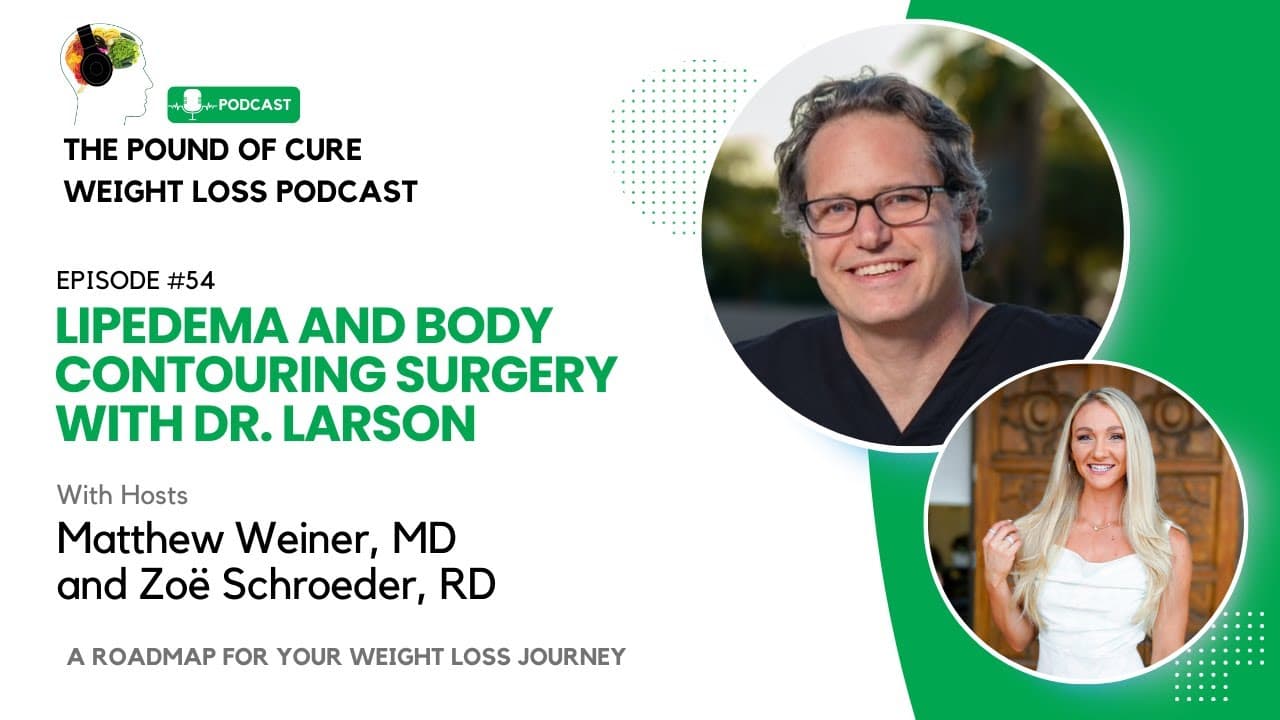
Lipedema and Body Contouring Surgery with Dr. Larson

Lipedema and Body Contouring Surgery with Dr. Larson podcast artwork

In Episode 54 of the Pound of Cure Weight Loss Podcast, Dr. Matthew Weiner and Zoë Schroeder sit down with Dr. Ethan Larson, a plastic surgeon specializing in lipedema care. Together, they delve into the complexities of lipedema, available treatment options, and the transformative role of plastic surgery for lipedema. What is Lipedema? Dr. Larson explains that lipedema is a chronic condition that primarily affects women. It manifests as an abnormal accumulation of fat in the legs, arms, and s...

Podcast Summary

Lipedema is a widely misunderstood condition that affects millions of women, yet many patients struggle for years before receiving an accurate diagnosis. In this episode of the Pound of Cure Weight Loss Podcast, Dr. Matthew Weiner and Zoë Schroeder welcome Dr. Ethan Larson, a plastic surgeon who specializes in treating lipedema, to discuss this chronic fat disorder and the surgical options available to patients.

Dr. Larson begins by explaining what lipedema actually is. Unlike typical weight gain or obesity, lipedema involves an abnormal accumulation of fat cells, most commonly in the legs and arms. This condition almost exclusively affects women and often runs in families, suggesting a strong genetic component. The fat distribution in lipedema is characteristically symmetrical, meaning it affects both legs or both arms equally. Patients often notice that their lower body seems disproportionately large compared to their upper body, and the affected areas may be tender or painful to touch.

One of the most frustrating aspects of lipedema for patients is that traditional weight loss methods typically do not improve the condition. Women with lipedema may follow strict diets and exercise programs, sometimes even pursuing bariatric surgery or GLP-1 medications, only to find that while they lose weight in other areas of their body, the lipedema fat remains stubbornly in place. This resistance to conventional weight loss approaches is actually one of the key diagnostic features that helps doctors distinguish lipedema from regular obesity.

Dr. Larson discusses the various stages of lipedema and how the condition tends to progress over time. In early stages, the skin may still appear relatively smooth, but as the condition advances, the affected areas can develop a nodular texture and the skin may become increasingly irregular. Without treatment, lipedema can significantly impact mobility and quality of life. Many patients also experience emotional distress due to the visible changes in their body shape and the difficulty of finding clothing that fits properly.

Talk with our team

Have questions about this episode?

Send our Tucson weight loss team a note about bariatric surgery, GLP-1 medications, nutrition, or your next step with Pound of Cure.

More from this episode

Conservative treatment options for lipedema include compression garments, manual lymphatic drainage massage, and maintaining overall health through proper nutrition and appropriate exercise. While these approaches can help manage symptoms and potentially slow progression, they do not remove the abnormal fat deposits. This is where plastic surgery becomes an important consideration for many lipedema patients.

Dr. Larson explains that specialized liposuction techniques can effectively treat lipedema by removing the diseased fat tissue. However, not all liposuction is the same. Standard cosmetic liposuction techniques may not be appropriate for lipedema patients. Instead, surgeons experienced in treating lipedema typically use gentler techniques such as water-assisted liposuction or tumescent liposuction that can remove large volumes of fat while minimizing trauma to the lymphatic system.

The discussion also covers what patients can expect from body contouring surgery for lipedema. Dr. Larson emphasizes that the goal is not purely cosmetic, though improved body proportions are certainly a welcome outcome. The primary objectives are to reduce pain, improve mobility, prevent progression of the disease, and enhance overall quality of life. Many patients report dramatic improvements in their ability to exercise and engage in daily activities after lipedema surgery.

Timing is an important consideration for patients considering lipedema surgery. Dr. Larson and Dr. Weiner discuss how metabolic health and overall weight stability should be optimized before pursuing surgical treatment. For patients who are also candidates for weight loss interventions, it may be beneficial to address obesity first through bariatric surgery, GLP-1 medications, or comprehensive lifestyle programs before proceeding with lipedema-specific treatment. This approach ensures the best possible outcomes and reduces surgical risks.

The podcast also addresses the challenges many patients face in getting lipedema recognized and treated. Because lipedema is not as well known as other conditions, some patients report that their concerns were dismissed by healthcare providers who simply told them to diet and exercise more. Dr. Larson stresses the importance of seeking care from providers who understand lipedema and can offer appropriate treatment options.

Recovery from lipedema surgery requires commitment from patients. Dr. Larson explains that wearing compression garments after surgery is essential for optimal results, and patients need to be prepared for a recovery period that may last several weeks. However, most patients find that the long-term benefits far outweigh the temporary inconvenience of recovery.

This episode provides valuable information for anyone who suspects they may have lipedema or has already been diagnosed with this condition. Understanding the difference between lipedema and typical obesity, knowing what treatment options are available, and learning when surgery might be appropriate can help patients make informed decisions about their care. The conversation between Dr. Weiner and Dr. Larson highlights the importance of individualized treatment plans that address each patient's unique metabolic health needs and personal goals.

Weight loss topics covered in this episode

This conversation is part of the Pound of Cure approach to evidence-based weight loss education, including bariatric surgery, GLP-1 medications, nutrition counseling, metabolic health, and long-term patient support.

For more context, explore our guides to GLP-1 medications, bariatric surgery in Tucson, and the Metabolic Reset Diet.