Podcast
Episode 53November 21, 202429 min

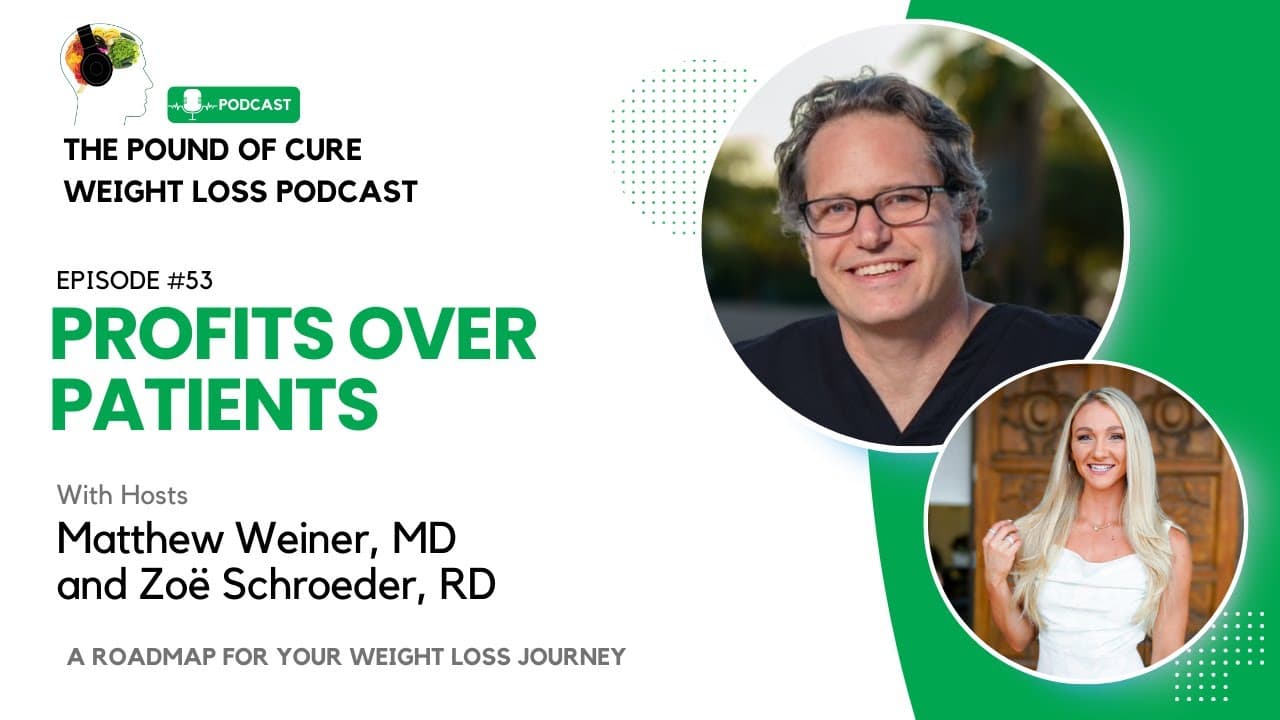
Profits Over Patients

Profits Over Patients podcast artwork

In Episode 53 of the Pound of Cure Weight Loss Podcast, Dr. Weiner and Zoe dive into meaningful topics, from celebrating non-scale victories to understanding the limits of BMI and exposing the troubling influence of pharmacy benefit managers (PBMs) on healthcare costs. This engaging episode not only informs listeners about these issues but also empowers them to advocate for a better, patient-centered healthcare system. Celebrating Non-Scale Victories on Your Weight Loss Journey Weight loss is...

Podcast Summary

Weight loss journeys are often measured by numbers on a scale, but true progress encompasses so much more than pounds lost. In this thoughtful episode, the discussion begins with an important reminder that non-scale victories deserve recognition and celebration. These victories might include fitting into clothes that were previously too tight, having more energy to play with children or grandchildren, experiencing less joint pain when climbing stairs, or seeing improvements in blood sugar levels and blood pressure readings. For patients considering or undergoing bariatric surgery or using GLP-1 medications, these health improvements often appear before significant weight loss shows on the scale.

The conversation then shifts to examining body mass index, a measurement tool that has been used for decades to categorize weight status. While BMI can be a useful screening tool in clinical settings, it has significant limitations that both patients and healthcare providers should understand. BMI calculations do not account for muscle mass, bone density, or body composition. An athlete with substantial muscle mass might be classified as overweight or obese despite having low body fat and excellent metabolic health. Similarly, someone might fall within the normal BMI range while carrying unhealthy levels of visceral fat around their organs. This discussion emphasizes why weight loss treatment decisions should never be based on BMI alone but should incorporate other health markers, body composition analysis, and individual patient circumstances.

The episode takes a deeper dive into a topic that affects every patient seeking weight loss treatment: the hidden role of pharmacy benefit managers in driving up healthcare costs. These middlemen organizations operate between insurance companies, pharmacies, and patients, ostensibly to negotiate drug prices and manage prescription benefits. However, the reality of how they function reveals a system that often prioritizes profits over patient care and access to necessary medications.

Pharmacy benefit managers negotiate rebates with drug manufacturers, but these savings rarely reach patients at the pharmacy counter. Instead, these organizations often pocket significant portions of these rebates while patients face high out-of-pocket costs for medications. For individuals trying to access GLP-1 medications for weight loss or diabetes management, pharmacy benefit managers frequently create barriers through restrictive formularies, prior authorization requirements, and step therapy protocols that force patients to try and fail on cheaper medications before accessing the treatments their doctors recommend.

Talk with our team

Have questions about this episode?

Send our Tucson weight loss team a note about bariatric surgery, GLP-1 medications, nutrition, or your next step with Pound of Cure.

More from this episode

The lack of transparency in pharmacy benefit manager operations means that patients and even healthcare providers often cannot determine the true cost of medications or understand why certain treatments are covered while others are denied. These organizations may also engage in practices like spread pricing, where they charge insurance companies more for a medication than they reimburse the pharmacy, keeping the difference as profit. They might also steer patients toward their own mail-order pharmacies or specialty pharmacy services, limiting patient choice and sometimes disrupting established relationships with local pharmacies.

For patients pursuing medical weight loss, whether through nutrition counseling, metabolic health optimization, bariatric surgery, or GLP-1 medications, these pharmacy benefit manager practices can create frustrating obstacles. A doctor might prescribe a medication that would significantly benefit a patient, only to have it denied by the pharmacy benefit manager or priced so high that it becomes unaffordable. Patients may spend hours on phone calls trying to navigate appeals processes or seeking alternative coverage options.

The episode emphasizes that this system did not develop to serve patient interests but rather evolved to generate profits for these intermediary corporations. Understanding how pharmacy benefit managers operate empowers patients to advocate for themselves and push for systemic changes. Patients can ask their insurance companies questions about how their pharmacy benefits are managed, request transparency in pricing, and support legislative efforts to regulate these organizations more strictly.

Healthcare should center on patient needs and outcomes, not corporate profits. When patients understand the forces that influence their access to care and medication costs, they can make more informed decisions and add their voices to demands for reform. This might mean contacting elected representatives, sharing experiences with insurance barriers, or supporting organizations working toward healthcare transparency.

The conversation throughout this episode reinforces that weight loss and metabolic health improvement require looking beyond simple metrics and understanding the complex systems that either support or hinder patient progress. Whether celebrating the victory of walking a mile without stopping, questioning whether BMI tells the full story of someone's health, or recognizing how pharmacy benefit managers affect medication access, patients benefit from this deeper knowledge. Education and awareness serve as powerful tools in navigating the weight loss journey and advocating for a healthcare system that truly puts patients first.

Weight loss topics covered in this episode

This conversation is part of the Pound of Cure approach to evidence-based weight loss education, including bariatric surgery, GLP-1 medications, nutrition counseling, metabolic health, and long-term patient support.

For more context, explore our guides to GLP-1 medications, bariatric surgery in Tucson, and the Metabolic Reset Diet.