Podcast
Episode 41September 26, 202421 min

The Great GLP-1 Compounding Dilemma

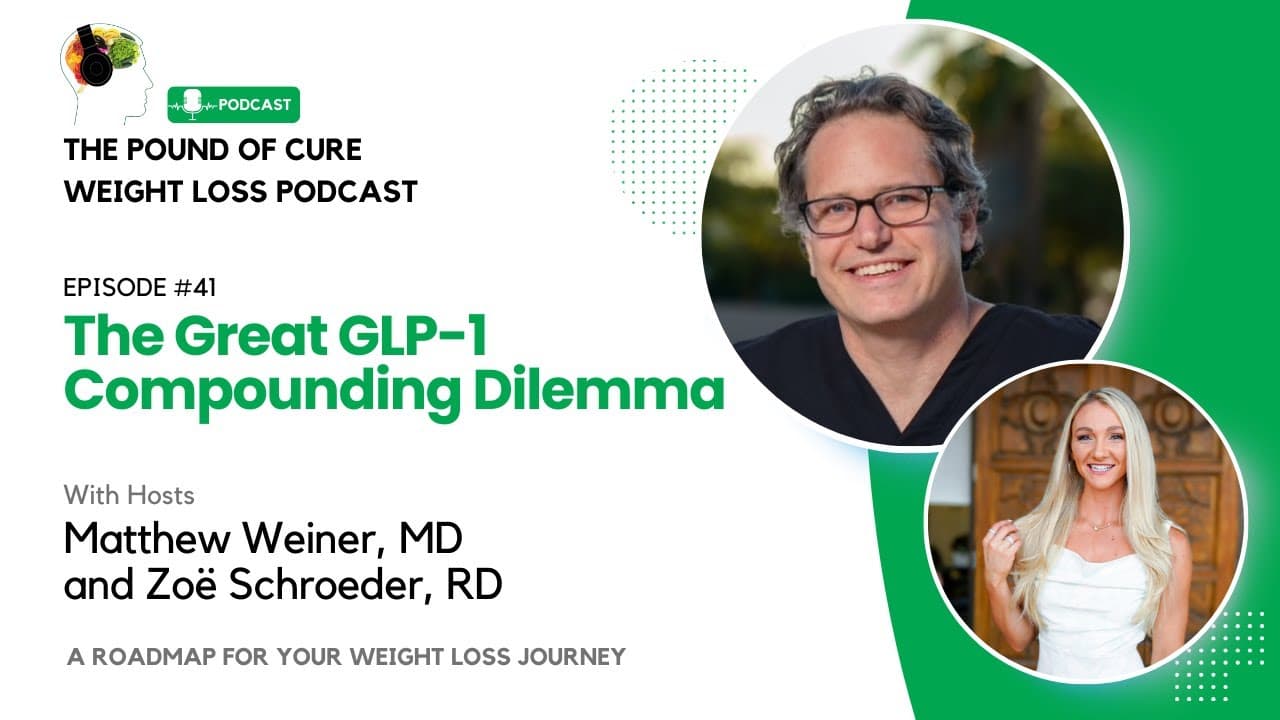
The Great GLP-1 Compounding Dilemma podcast artwork

In Episode 41 of the Pound of Cure Weight Loss podcast, we explore the growing use of GLP-1 medications for weight loss, particularly focusing on compounded versions of Semaglutide and Tirzepatide. These medications, typically found in Ozempic, Wegovy, Zepbound, and Mounjaro, have become incredibly popular for their effectiveness in helping patients lose weight. With shortages of these factory-produced drugs, compounding pharmacies have emerged as a more accessible and affordable alternative ...

Podcast Summary

The Great GLP-1 Compounding Dilemma: What Patients Need to Know

The weight loss medication landscape has changed dramatically in recent years. GLP-1 medications like Ozempic, Wegovy, Mounjaro, and Zepbound have transformed how we approach obesity treatment. However, widespread shortages of these factory-produced drugs have created a new option: compounded versions of semaglutide and tirzepatide. Understanding the differences, benefits, and risks of compounded GLP-1 medications is essential for anyone considering these treatments for weight loss.

Understanding GLP-1 Medications for Weight Loss

GLP-1 receptor agonists work by mimicking a natural hormone that regulates appetite and blood sugar. These medications have shown remarkable effectiveness in helping patients achieve significant weight loss, often reducing body weight by 15-20% or more when combined with lifestyle changes.

Talk with our team

Have questions about this episode?

Send our Tucson weight loss team a note about bariatric surgery, GLP-1 medications, nutrition, or your next step with Pound of Cure.

More from this episode

The brand-name versions include semaglutide (marketed as Ozempic for diabetes and Wegovy for weight loss) and tirzepatide (marketed as Mounjaro for diabetes and Zepbound for weight loss). These medications have undergone extensive clinical trials and received FDA approval for their respective indications.

The Shortage Crisis and Rise of Compounding

Demand for GLP-1 medications has skyrocketed, creating unprecedented shortages. Patients who could benefit from these treatments have found themselves unable to access them through traditional channels. Manufacturing facilities simply cannot keep pace with the explosion in prescriptions.

This shortage has opened the door for compounding pharmacies. These specialized pharmacies can create customized versions of medications, including compounded semaglutide and compounded tirzepatide. For many patients, compounded versions have become a more accessible and affordable alternative to brand-name options.

What Makes Compounded Medications Different

Compounding pharmacies prepare medications on-site rather than receiving them from large pharmaceutical manufacturers. They purchase the active pharmaceutical ingredients (semaglutide or tirzepatide) and reconstitute them into injectable solutions.

Key differences include:

  • Lower cost compared to brand-name versions
  • Greater availability during shortage periods
  • Customizable dosing options
  • Less rigorous testing than FDA-approved medications
  • Variable quality standards between different compounding pharmacies
  • Not covered by most insurance plans

The Safety and Quality Question

While compounding pharmacies serve an important role in healthcare, not all compounding facilities maintain the same quality standards. Compounded medications do not undergo the same FDA approval process as brand-name drugs. This means they have not been subjected to the same level of testing for purity, potency, and sterility.

Reputable compounding pharmacies follow strict protocols and often obtain third-party testing to verify their products. However, patients should understand that compounded versions carry different risks than FDA-approved medications. Quality can vary significantly between pharmacies, making it crucial to work with established, trustworthy compounding facilities.

Cost Considerations and Insurance Coverage

One of the most appealing aspects of compounded GLP-1 medications is the price. Brand-name semaglutide and tirzepatide can cost $1,000 or more per month without insurance coverage. Compounded versions typically cost between $200-$500 monthly, making them significantly more affordable for patients paying out of pocket.

However, insurance companies generally do not cover compounded medications. Patients must weigh the lower upfront cost of compounded versions against the potential insurance coverage available for brand-name options. Some insurance plans now cover GLP-1 medications for weight loss, though many still restrict coverage to diabetes treatment only.

Making an Informed Decision

Choosing between brand-name and compounded GLP-1 medications requires careful consideration of multiple factors. Patients should discuss their options thoroughly with their healthcare provider, considering their medical history, financial situation, and treatment goals.

Working with an experienced medical team that specializes in weight loss and metabolic health ensures proper monitoring, dosing adjustments, and support throughout treatment. GLP-1 medications work best when combined with comprehensive lifestyle changes, including nutrition counseling and regular physical activity.

The Future of GLP-1 Compounding

The legal and regulatory landscape surrounding compounded GLP-1 medications continues to evolve. As pharmaceutical manufacturers increase production capacity, shortages may resolve, potentially affecting the availability of compounded versions. The FDA periodically reviews which medications can be legally compounded based on shortage status.

Patients currently using compounded semaglutide or tirzepatide should stay informed about regulatory changes and maintain open communication with their prescribing physician. As the market stabilizes, treatment strategies may need adjustment.

Key Takeaways for Patients

GLP-1 medications represent a powerful tool for weight loss and metabolic health improvement. Compounded versions have emerged as an important alternative during shortage periods, offering greater accessibility and affordability. However, patients must understand the differences in regulatory oversight, quality assurance, and insurance coverage.

Anyone considering GLP-1 medications for weight loss should work with qualified healthcare providers who can provide comprehensive evaluation, proper monitoring, and ongoing support. Whether choosing brand-name or compounded options, success requires commitment to lifestyle changes alongside medication therapy.

Weight loss topics covered in this episode

This conversation is part of the Pound of Cure approach to evidence-based weight loss education, including bariatric surgery, GLP-1 medications, nutrition counseling, metabolic health, and long-term patient support.

For more context, explore our guides to GLP-1 medications, bariatric surgery in Tucson, and the Metabolic Reset Diet.