Podcast Summary
Understanding the Truth About Keto Diets and Weight Loss
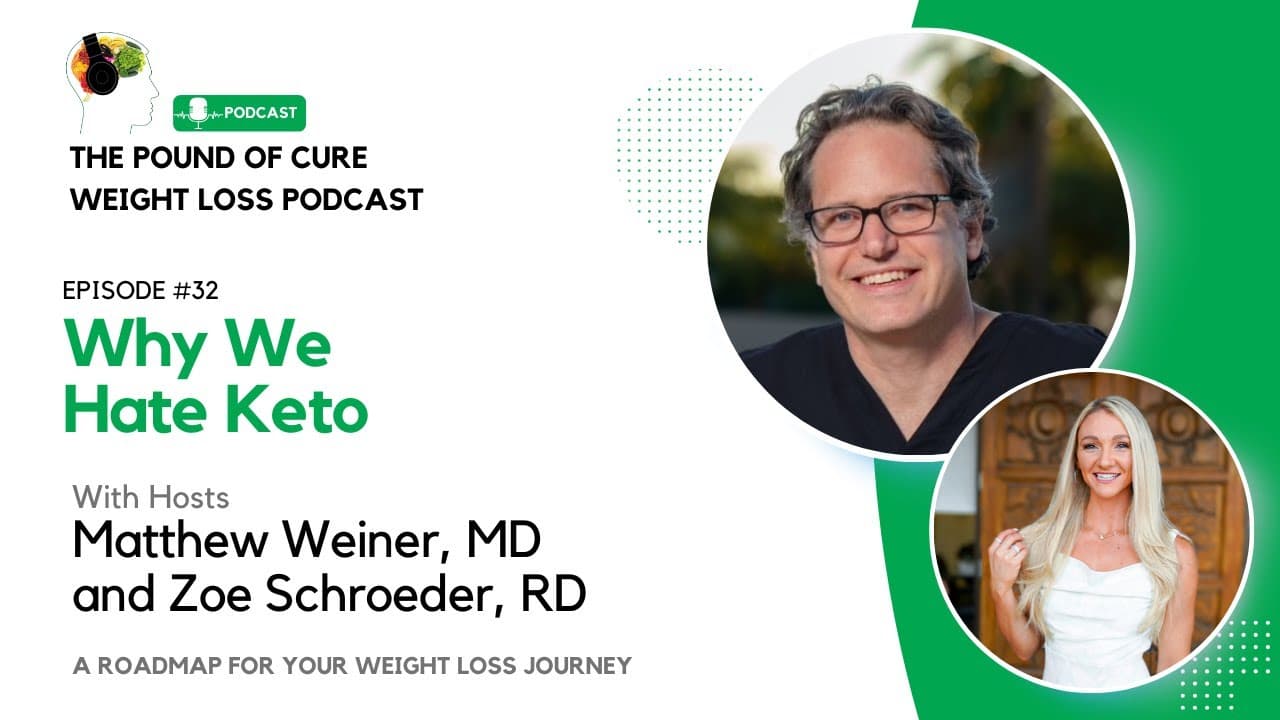
The ketogenic diet has become one of the most talked-about weight loss approaches in recent years, but is it really the best choice for sustainable weight management? In this comprehensive episode of The Pound of Cure Weight Loss Podcast, the hosts take a critical look at why extremely restrictive diets like keto may not be the answer for long-term health and weight loss success.
The Problems with Extreme Dietary Restrictions
While the ketogenic diet can produce rapid initial weight loss, the episode explores several concerns about its long-term sustainability and health impacts. The conversation extends beyond keto to include even more restrictive approaches like the Lion diet, which limits food intake to only animal products.
Talk with our team
Have questions about this episode?
Send our Tucson weight loss team a note about bariatric surgery, GLP-1 medications, nutrition, or your next step with Pound of Cure.
More from this episode
The fundamental issue with these extreme diets is that they often fail to address the underlying metabolic and behavioral factors that contribute to weight gain. Instead of teaching balanced nutrition habits that can be maintained for life, they create rigid rules that become difficult to follow in real-world situations.
The Hidden Forces Affecting Your Prescription Drug Costs
A significant portion of this episode examines an eye-opening investigation from The New York Times about Pharmacy Benefit Managers (PBMs). These middlemen organizations operate behind the scenes in the pharmaceutical industry, often inflating the prices patients pay for prescription medications.
For individuals managing weight loss, particularly those using prescription medications or considering options like GLP-1 medications, understanding how PBMs affect drug pricing is crucial. These organizations can add substantial costs to medications without providing clear value to patients, making evidence-based weight loss treatments less accessible to those who need them most.
Over-the-Counter Weight Loss Supplements: What You Need to Know
The episode also addresses the confusing world of over-the-counter weight loss supplements. The supplement industry is largely unregulated, which means products can make bold claims without rigorous scientific evidence to support them.
Key points about weight loss supplements:
- Most supplements lack FDA approval and rigorous safety testing
- Marketing claims often exceed actual scientific evidence
- Supplements can interact with prescription medications
- No supplement replaces the importance of nutrition and lifestyle changes
- Some supplements may contain unlisted or dangerous ingredients
GLP-1 Medications and Modern Weight Loss Treatment
The discussion includes important information about GLP-1 receptor agonists, which represent a significant advancement in medical weight loss treatment. Unlike fad diets or unproven supplements, these medications work with your body's natural hunger and satiety signals to support sustainable weight loss.
GLP-1 medications have demonstrated effectiveness in clinical trials and offer a science-based approach to weight management. However, they work best when combined with nutrition counseling, lifestyle modifications, and ongoing medical supervision.
The Truth About Cooking Oils and Metabolic Health
The episode touches on the controversy surrounding avocado oil and other cooking oils. While some diet advocates make extreme claims about certain oils being toxic or miraculous, the reality is more nuanced. The quality of your overall dietary pattern matters far more than any single ingredient.
Choosing healthy fats is important for metabolic health, but becoming overly focused on one specific oil or food item can distract from the bigger picture of balanced nutrition.
Moving Beyond Diet Trends Toward Sustainable Health
The central message of this episode is that quick fixes and extreme restrictions rarely lead to lasting weight loss success. Whether it's eliminating entire macronutrient groups through keto, restricting foods to only meat, or relying on unproven supplements, these approaches typically fail to create the sustainable lifestyle changes needed for long-term health.
Instead, effective weight management requires understanding your individual metabolic health, working with qualified healthcare providers, and developing nutrition habits you can maintain for life. For some individuals, this may include bariatric surgery or prescription medications as part of a comprehensive treatment plan.
Taking Action on Your Weight Loss Journey
The most important takeaway from this episode is that successful weight loss isn't about following the latest trend or finding a magic solution. It requires a personalized approach based on medical science, not marketing hype.
If you're struggling with weight management, consider working with healthcare professionals who can evaluate your metabolic health, discuss evidence-based treatment options including nutrition counseling and medical therapies, and help you develop a sustainable plan tailored to your individual needs and goals.
Understanding the limitations of restrictive diets, the importance of medication transparency and pricing, and the difference between science-based treatments and unproven supplements empowers you to make informed decisions about your health journey.
Weight loss topics covered in this episode
This conversation is part of the Pound of Cure approach to evidence-based weight loss education, including bariatric surgery, GLP-1 medications, nutrition counseling, metabolic health, and long-term patient support.
For more context, explore our guides to GLP-1 medications, bariatric surgery in Tucson, and the Metabolic Reset Diet.
