Podcast
Episode 10January 31, 202441 min

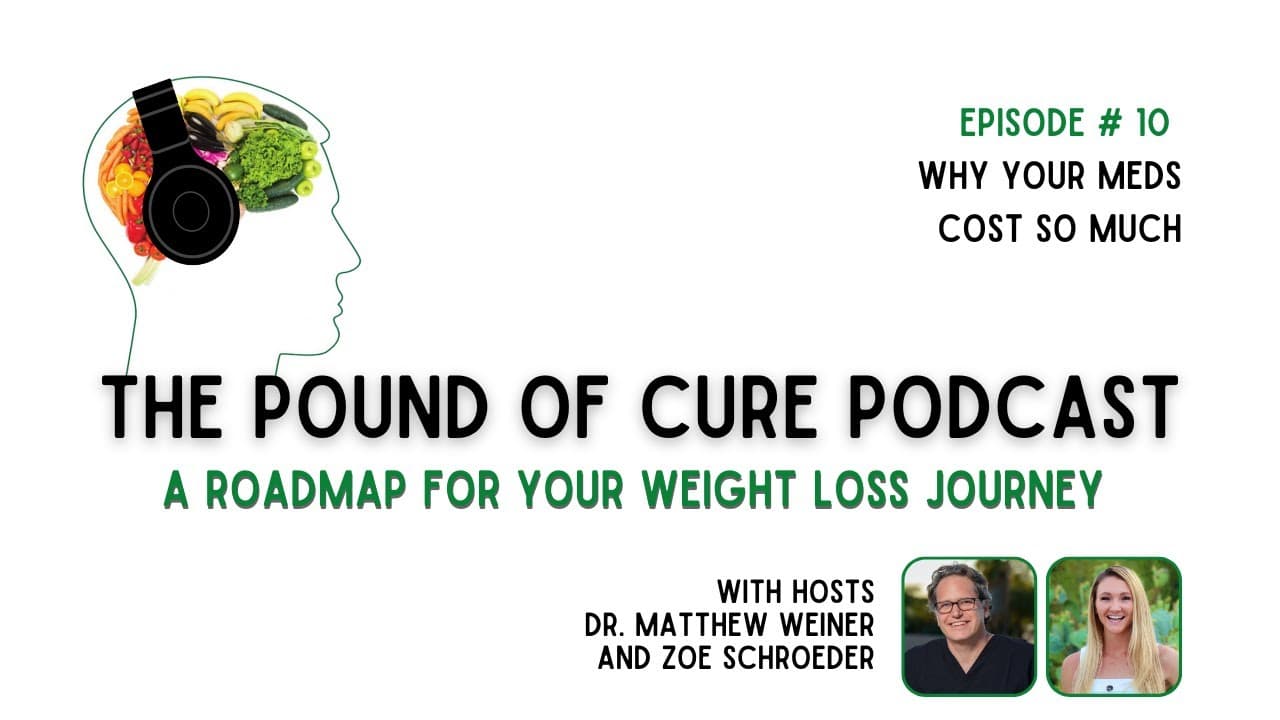
Why Your Meds Cost So Much

Why Your Meds Cost So Much podcast artwork

Welcome to another insightful episode of the Pound of Cure Weight Loss podcast! In this episode, Dr. Matthew Weiner and Zoe Schroeder tackle some pressing issues for patients, including the rising cost of GLP-1 weight loss medications, and how to manage weight regain after surgery. Whether you’ve undergone bariatric surgery or are using weight loss medications, this episode delivers science-backed insights on how to navigate the challenges of post-op life and optimize your diet for long-term suc

Podcast Summary

Welcome to another insightful episode of the Pound of Cure Weight Loss podcast! In this episode, Dr. Matthew Weiner and Zoe Schroeder tackle some pressing issues for patients, including the rising cost of GLP-1 weight loss medications, and how to manage weight regain after surgery. Whether you’ve undergone bariatric surgery or are using weight loss medications, this episode delivers science-backed insights on how to navigate the challenges of post-op life and optimize your diet for long-term success.Why Are Medications So Expensive? A Deep Dive into Drug PricingThe episode kicks off with a crucial conversation about rising drug prices. Many listeners have raised concerns about why medications like Ozempic (Semaglutide) and Mounjaro (Tirzepatide) are so expensive. In January 2024, more than 700 medications will face price hikes, and unfortunately, GLP-1 weight loss medications are on the list. Dr. Weiner highlights the complexities of drug pricing in the U.S., from Medicare's inability to negotiate drug prices to the overwhelming variety of insurance policies that influence costs.Dr. Weiner also touches on a pivotal moment in 2003 when the Medicare Prescription Drug Improvement and Modernization Act (MMA) was passed. This law, still in effect, bars Medicare from negotiating drug prices directly with pharmaceutical companies, which has left patients paying inflated prices for essential medications. It’s a frustrating scenario for many, but Dr. Weiner encourages listeners to stay informed and advocate for change by supporting legislation that could help lower drug prices.The Role of GLP-1 Weight Loss Medications in Obesity TreatmentAs the conversation shifts, Dr. Weiner and Zoe dive deeper into the role of GLP-1 weight loss medications like Wegovy (Semaglutide) and Zepbound (Tirzepatide) in treating obesity. These medications have revolutionized how doctors approach weight management by helping to lower the body’s set point.The podcast emphasizes that GLP-1 medications aren’t standalone solutions. Instead, they work best when combined with nutrition and lifestyle changes. While GLP-1 drugs help to suppress food noise and ease the challenge of constant hunger, they are most effective when integrated into a comprehensive weight loss plan, like the Metabolic Reset Diet.If you're wondering whether you’ll be on GLP-1 medications forever, the answer depends on your personal situation. For many, these drugs will be part of their long-term weight maintenance strategy, particularly for those with chronic obesity. Managing Weight Regain After Surgery: Addressing Patient ConcernsAnother key topic covered in this episode is managing weight regain after bariatric surgery. Weight regain is a common concern among patients who have undergone procedures like gastric sleeve or gastric bypass surgery. Dr. Weiner and Zoe recognize that it’s a frustrating issue, but it’s not uncommon. The hosts share real patient stories, including one about a woman who experienced weight regain after a sleeve gastrectomy. She was worried that her surgery was failing her, but Dr. Weiner reassured her that weight fluctuations are normal, especially in the months following surgery.If you’re experiencing weight regain, the first step is to inspect your diet. Are you focusing on produce? Often, small slips in nutritional habits can lead to unwanted pounds creeping back. Dr. Weiner suggests focusing on what you can add to your diet rather than what you should restrict. This strategy can help patients avoid feeling deprived, which often leads to unsustainable eating patterns.It’s not uncommon for patients to panic during weight stalls or minor regains. Zoe points out that this is where the support groups and nutritional counseling of

Talk with our team

Have questions about this episode?

Send our Tucson weight loss team a note about bariatric surgery, GLP-1 medications, nutrition, or your next step with Pound of Cure.

Weight loss topics covered in this episode

This conversation is part of the Pound of Cure approach to evidence-based weight loss education, including bariatric surgery, GLP-1 medications, nutrition counseling, metabolic health, and long-term patient support.

For more context, explore our guides to GLP-1 medications, bariatric surgery in Tucson, and the Metabolic Reset Diet.