
Zepbound Weight Loss by Dose and by Month: What Is Normal on Zepbound, Mounjaro, Wegovy and Ozempic?
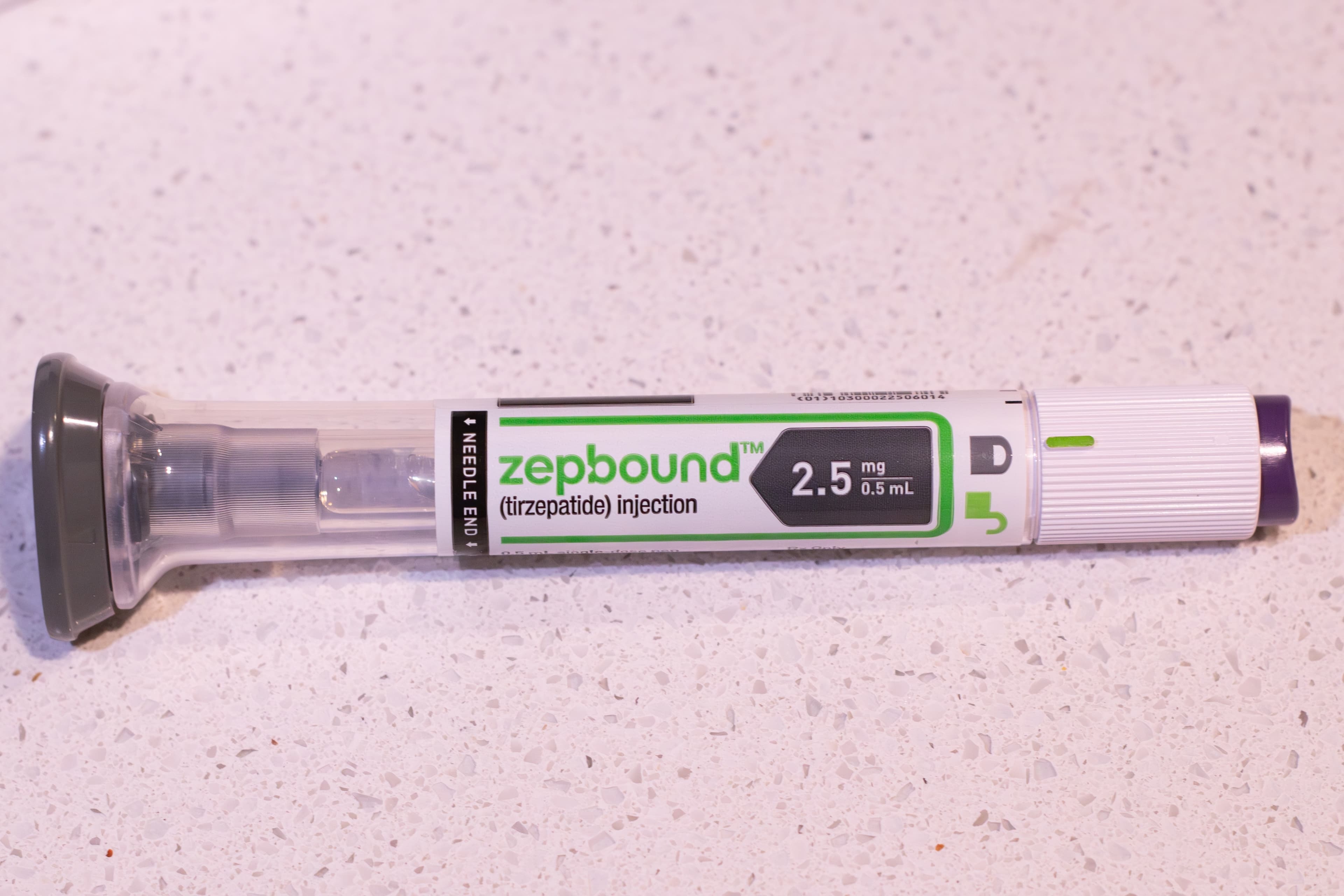
Trial results by dose for tirzepatide and semaglutide injections, a month-by-month guide, and how Dr. Matthew Weiner grades a poor, typical or super response.
TL;DR
- How much weight do people: After about a year on a full dose, most people on a GLP-1 injection lose between 10% and 30% of their starting weight, and how much depends on the drug, the dose and the time...
- How does Dr. Weiner grade: The practice grades a GLP-1 response by total body weight lost and by dose tier.
- Zepbound weight loss by dose:: In the main 72 week trial of tirzepatide in adults without diabetes, the share of poor and super responders shifted with each dose.
How much weight do people lose on Zepbound, Mounjaro, Wegovy and Ozempic?
After about a year on a full dose, most people on a GLP-1 injection lose between 10% and 30% of their starting weight, and how much depends on the drug, the dose and the time on treatment. In trials of tirzepatide (Zepbound and Mounjaro) at 10 or 15 mg, about 1 in 5 or 6 people lost less than 10% and about 1 in 5 lost 30% or more. On semaglutide injection (Wegovy and Ozempic) at 2.4 mg, about 3 in 10 lost less than 10% and fewer than 1 in 14 reached 30%.
Matthew Weiner, MD, uses these trial numbers to help patients answer a practical question: is this result about what the medication usually does, or is it a signal that the plan needs to change? The answer has three parts. First, find your dose tier. Second, compare your total percent lost with the cutoffs for that tier. Third, scale the comparison to how long you have been on the medication, because GLP-1 weight loss builds over most of a year. This article is part of a short series on whether GLP-1 weight loss is normal, and it focuses on the weekly injections.
How does Dr. Weiner grade a poor, typical or super response?
The practice grades a GLP-1 response by total body weight lost and by dose tier. To find your number, divide the pounds you have lost by your starting weight. Someone who started at 250 pounds and has lost 25 pounds has lost 10% of their total body weight.
The dose tiers are simple. For semaglutide injection, a low dose is anything up to 1 mg, a medium dose is above 1 mg up to 2.4 mg, and a high dose is above 2.4 mg up to 7.2 mg. For tirzepatide, a low dose is anything up to 5 mg, a medium dose is above 5 mg up to 10 mg, and a high dose is above 10 mg up to 15 mg.
On a low dose, losing under 5% after about a year is a poor response and losing over 25% is a super response. On a medium or high dose, under 10% is a poor response and over 30% is a super response. Everything in between is a typical response, and that is where most people land. The dramatic results that fill social media feeds come from the small group at the top.
These cutoffs are practice definitions built on 64 to 72 week trial results. Before a year has passed, they are scaled down to the share of a year's loss the average person has reached by that point. Results can be graded starting at 1 month, but they stay provisional until about a year.
Zepbound weight loss by dose: what the trials show for tirzepatide
In the main 72 week trial of tirzepatide in adults without diabetes, the share of poor and super responders shifted with each dose. On 5 mg, about 15% of people lost less than 5% of their weight, and about 15% lost more than 25%. That is a wide spread on a dose the practice considers low, and it means some people do very well without ever moving up.
On 10 mg, about 22% of people lost less than 10%. On 15 mg, that share fell to about 17%. At the top of the range, about 20% of people on 10 or 15 mg lost 30% or more in a head-to-head trial that kept each person on the highest dose they tolerated, so that figure combines both doses. Zepbound and Mounjaro contain the same medication, so these numbers describe tirzepatide under either name, with one important caveat: these trials enrolled people without diabetes, and diabetes lowers results.
Each of these numbers counts everyone who started the trial. They describe how a group of people responded, and they cannot predict what any one person will lose.
How much weight should I lose on Wegovy or Ozempic?
On semaglutide injection at 2.4 mg, the standard Wegovy dose, about 28 to 34% of people without diabetes lost less than 10% of their weight across the trials, and only about 7% of people on 1.7 or 2.4 mg lost 30% or more. Semaglutide still helps most people lose meaningful weight, but compared with tirzepatide at 10 or 15 mg it produces more poor responders and far fewer super responders.
The newer 7.2 mg dose changes that picture. In the trial comparing 7.2 mg with 2.4 mg, about 20% of people on 7.2 mg lost less than 10%, and about 31% lost 25% or more. No trial has reported how many people on 7.2 mg lose 30% or more, so that share is below 31% and has not been published.
Low doses are harder to judge from trials. No randomized trial has kept people without diabetes on weekly semaglutide at 0.25 to 1 mg for 6 months or longer. A 52 week trial of daily semaglutide and real-world clinic data show that lower doses can still produce meaningful weight loss. In the daily-dose trial, about 1 in 3 people on the dose closest to 0.7 mg a week lost less than 5%. Ozempic is the same medication as Wegovy at doses up to 2 mg, and it is often prescribed for diabetes, which changes what to expect.
GLP-1 injection weight loss by dose, side by side
The table below puts the dose tiers, the practice cutoffs and the trial results for adults without diabetes in one place. The trial figures come from 68 to 72 week studies that counted everyone who started, and some cells use the nearest published threshold, which the last column names.
| Injection and weekly dose | Practice dose tier | Poor response cutoff | Share below the poor cutoff in trials | Super response cutoff | Share above a high cutoff in trials |
|---|---|---|---|---|---|
| Zepbound or Mounjaro (tirzepatide) 2.5 or 5 mg | Low | Under 5% | About 15% lost under 5% (5 mg) | Over 25% | About 15% lost over 25% (5 mg) |
| Zepbound or Mounjaro 7.5 or 10 mg | Medium | Under 10% | About 22% lost under 10% (10 mg) | Over 30% | About 20% lost 30% or more (10 or 15 mg combined) |
| Zepbound or Mounjaro 12.5 or 15 mg | High | Under 10% | About 17% lost under 10% (15 mg) | Over 30% | About 20% lost 30% or more (10 or 15 mg combined) |
| Wegovy or Ozempic (semaglutide) 0.25 to 1 mg | Low | Under 5% | No weekly low-dose trial; about 1 in 3 under 5% near 0.7 mg a week in a daily-dose trial | Over 25% | Not reported |
| Wegovy 1.7 or 2.4 mg, Ozempic 2 mg | Medium | Under 10% | About 28 to 34% lost under 10% (2.4 mg) | Over 30% | About 7% lost 30% or more (1.7 or 2.4 mg) |
| Wegovy 7.2 mg | High | Under 10% | About 20% lost under 10% | Over 30% | About 31% lost 25% or more; the 30% share is not published |
Two patterns stand out. Moving from a low to a medium or high dose raises the bar for a typical result, because the poor cutoff doubles from 5% to 10%. And at comparable full doses, tirzepatide at 10 or 15 mg puts about three times as many people at 30% or more as semaglutide at 1.7 or 2.4 mg, while semaglutide at 7.2 mg narrows the gap in poor responders.
What is the average weight loss on Zepbound per month?
GLP-1 weight loss is not spread evenly across the months. On a full dose, the average person reaches roughly 15% of their eventual loss by 1 month, a quarter by 2 months, a third by 3 months, two thirds by 6 months and about 85% by 9 months. The highest doses keep working until about week 60, which is why a one-year comparison is the fairest one.
The month-by-month table below scales the practice cutoffs to that average curve. These are averages read from trial weight curves, and they are guides for comparison rather than predictions for any one person.
| Time on medication | Average share of a year's loss reached | Medium or high dose: poor below | Medium or high dose: super above | Low dose: poor below | Low dose: super above |
|---|---|---|---|---|---|
| 1 month | About 15% | 1.5% | 4.5% | 0.8% | 3.8% |
| 2 months | About 25% | 2.5% | 7.5% | 1.3% | 6.3% |
| 3 months | About one third | 3.3% | 10% | 1.7% | 8.3% |
| 6 months | About two thirds | 6.7% | 20% | 3.3% | 16.7% |
| 9 months | About 85% | 8.5% | 25.5% | 4.3% | 21.3% |
| 12 months | About 100% | 10% | 30% | 5% | 25% |
Two cautions apply. Most of the first 3 months is spent stepping up the dose, so early numbers say more about the starting doses than the final one. And lower doses reach their plateau sooner, so a person on a low dose may be further along the curve than the table suggests. A practical rule of thumb: at 3 months on a full dose, divide the one-year cutoffs by 3, and expect most of the remaining loss over the next 6 months.
Wegovy 7.2 vs 2.4: what changes at the higher dose?
The 7.2 mg dose of Wegovy, approved by the FDA in March 2026, moves semaglutide from the medium tier into the high tier. In the trial that compared the two doses directly, about 20% of people on 7.2 mg lost less than 10%, compared with about 28 to 34% on 2.4 mg across the trials, and about 31% of people on 7.2 mg lost 25% or more.
Those are population results. They show that more people reach a typical or better result on the higher dose, but they do not tell an individual poor responder on 2.4 mg how much a higher dose will add. For someone who has lost less than 10% after a full trial on 2.4 mg, a higher dose is one of several options worth discussing with a provider, alongside a different medication and other approaches.
What is the difference between Wegovy and Zepbound?
Wegovy and Ozempic contain semaglutide. Zepbound and Mounjaro contain tirzepatide. Both are weekly injections in the GLP-1 class, and in trials tirzepatide has produced more weight loss at its top doses. In the head-to-head trial of the two medications at their highest tolerated doses, 19.7% of people on tirzepatide lost at least 30% of their weight, compared with 6.9% on semaglutide.
Wegovy 7.2 vs Zepbound 15 is a newer comparison, and no trial has tested the two head to head. Looking across separate trials, the share of poor responders is similar: about 20% lost less than 10% on Wegovy 7.2 mg and about 17% on Zepbound 15 mg. At the top end, about 31% of people on Wegovy 7.2 mg lost 25% or more, while about 20% of people on Zepbound 10 or 15 mg lost 30% or more. Because these thresholds differ and the trials enrolled different people, the comparison is rough, and the practice uses the same cutoffs for both.
What is the best GLP-1 for weight loss?
Across the trials, tirzepatide at 10 or 15 mg has produced the most super responders among the weekly injections, and semaglutide at 7.2 mg comes closer than the 2.4 mg dose. On average, that makes the higher-dose injections the strongest options in the class.
The best medication for a particular person is a different question. Dr. Weiner's approach is to look at three things together: how the weight responds, what the side effects are, and how the medication fits into daily life, including whether it is affordable over time. A drug that produces a large average loss is not the right drug for someone who cannot tolerate it or cannot stay on it, and someone who responds well to a lower dose may not need to change anything.
Zepbound not working? What a poor response means
A medication that is not working, in the practice's terms, is a poor response: under 10% after about a year on a medium or high dose, or under 5% on a low dose, or a result well below the scaled cutoff for the time on treatment. About 15% of people do not respond to GLP-1s, and how well a person responds to medication or surgery is largely driven by their DNA rather than their effort. Often the person who is not losing weight is the one trying hardest.
Before deciding a medication has failed, a few questions are worth asking. Has the dose reached its full level, and has there been enough time at that dose for the curve to play out? How closely is the nutrition plan being followed? Eating poorly on a GLP-1 tends to bring little weight loss and feeling worse, and logging food can show whether nutrition can be pushed further before changing course. If a compounded product was used before, that history matters too, because a poor result on a compounded GLP-1 may say little about how the branded medication will work.
If the answers check out and the response is still poor, that is a biology question to work through with a care team, and it is no sign of personal failure. At the practice, everyone starts with a GLP-1. Non-responders move toward a surgery discussion faster, while partial responders get a more flexible plan that may try different medications, push nutrition further and may or may not include surgery. Whether surgery is right depends on each person's health and history, which a provider should review.
Ozempic not working anymore? When weight loss stalls or comes back
A medication that worked and then stopped is a different situation from one that never worked. When weight creeps back on a GLP-1, the medication usually has not stopped working. People build some tolerance to a dose over time, and how much and how fast is often genetic. Other causes deserve a look first: an injury that cost muscle, or processed foods that have slipped back into the diet. Nutrition is the first fix.
A plateau near the expected loss for the drug and dose is common, and it often means the medication has done what it can. If weight stalls close to that expected range and better nutrition adds only a little more, it may be time to discuss bariatric surgery. A stall well short of the expected loss calls for a review of the dose and nutrition first. In either case, the dose should not be lowered, paused or restarted to break a plateau. Once a person reaches a dose, it is meant to be taken long term, much like a blood pressure medicine, and any change should be made with the provider.
Many people on Ozempic have type 2 diabetes, and diabetes changes the math. With an A1c of 6.5% or higher, people tend to lose roughly half the usual GLP-1 weight loss, and the higher the A1c, the less they tend to lose. Getting blood sugar under control with food can help the medication work more like it does without diabetes, and diet changes alongside diabetes medicines should be planned with a provider.
How to check your own result
The GLP-1 super responder check on the Pound of Cure website does this grading in one place. It asks for the medication, the dose and the time on treatment, and it grades the weight lost so far as poor, typical or super using the same cutoffs and time curve described here.
A poor grade is a reason to talk with a provider about the dose, the medication, nutrition or other options, including surgery for those who qualify. A typical grade means the medication is doing roughly what it does for most people. A super grade is good news, and it is still worth protecting with steady nutrition. None of these grades is a promise about future weight loss, and the decision about any change belongs to the patient and the care team.
Frequently asked questions
How do I know if I am a true non-responder or just responding slowly?
Compare your total percent lost with the scaled cutoff for your time on treatment and your dose tier. At 3 months on a medium or high dose, the poor cutoff is about 3.3%, and at 6 months it is about 6.7%. Results stay provisional until about a year, and the first months are mostly spent stepping up the dose.
How much weight should I lose on Zepbound 15 mg?
In trials of people without diabetes, about 17% of people on 15 mg lost less than 10% of their weight at 72 weeks, and about 20% of people on 10 or 15 mg lost 30% or more. Most people landed in between, which the practice calls a typical response.
Is Wegovy 7.2 better than 2.4?
About 20% of people on 7.2 mg lost less than 10%, compared with about 28 to 34% on 2.4 mg across the trials, and about 31% on 7.2 mg lost 25% or more. Those are group results, so whether a higher dose helps a particular person is a question for a provider.
Should I lower or pause my dose to restart weight loss?
No. Lowering, pausing or restarting a GLP-1 dose is not a way to break a plateau. Keep taking the dose as prescribed, work on nutrition and talk with the care team, and if side effects make the dose hard to stay on, raise that with the provider instead of changing it alone.
Does having diabetes change how much I can lose on a GLP-1 injection?
Yes. With an A1c of 6.5% or higher, people tend to lose about half the usual amount, and the higher the A1c, the less they tend to lose. The practice uses the same cutoffs with or without diabetes, so a person with diabetes is more likely to land in the poor range.