
Wegovy vs Zepbound: Should You Switch If One Isn't Working?
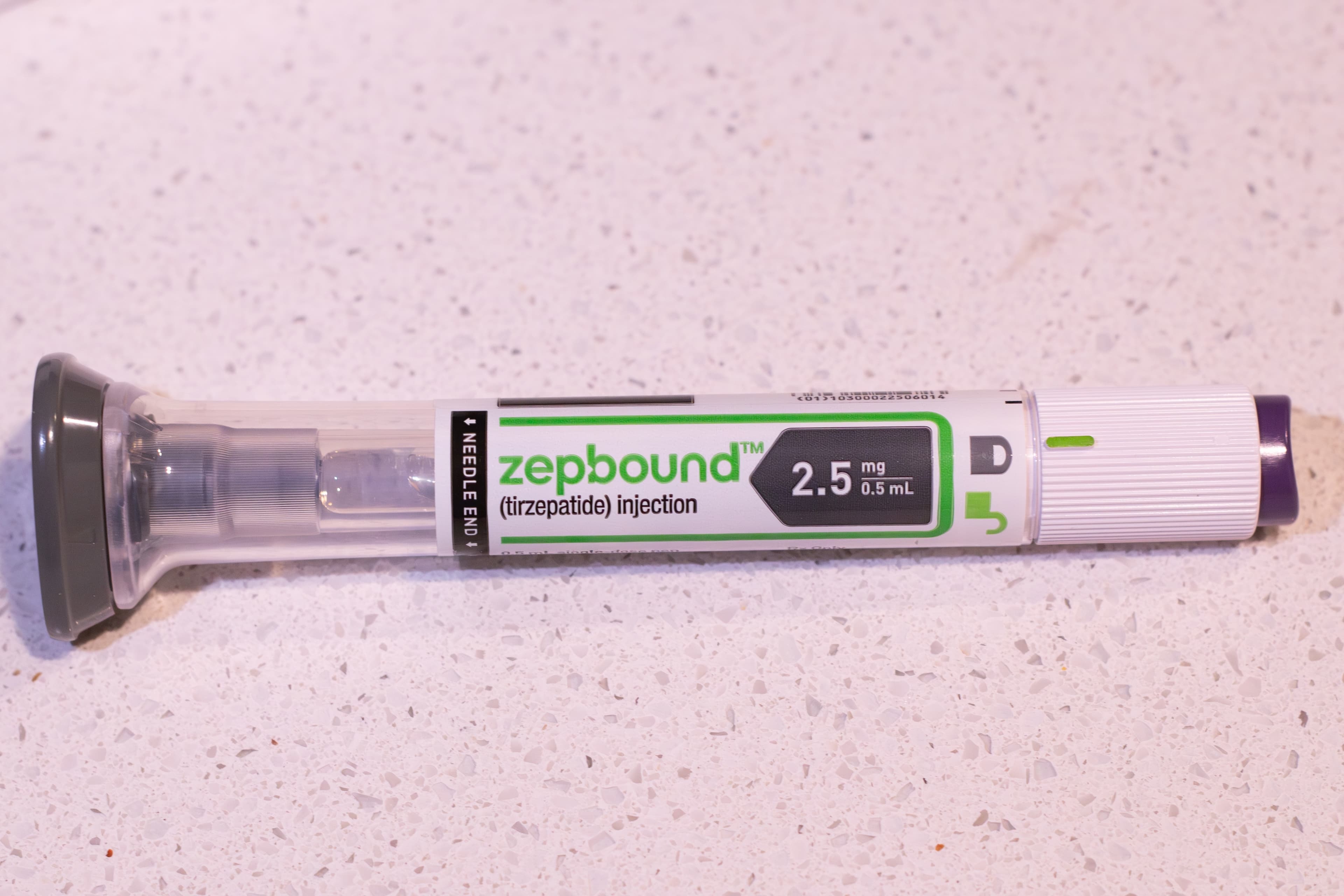
If Wegovy or Zepbound did little for your weight, trying the other one is reasonable, but it isn't a sure fix. Matthew Weiner, MD, explains when someone is really a non-responder, what to track before a switch, and what comes next if neither medication works.
Take-home points
- Worth a try, not a sure fix. If semaglutide (Wegovy, Ozempic) did little for you, trying tirzepatide (Zepbound, Mounjaro) is reasonable, and the reverse is too. But most people who don't respond to one don't respond well to the other.
- Know your result first. After about a year on a medium or high dose, losing less than 10% of your starting weight is a poor response.
- Stalled isn't the same as stopped working. If you lost weight and then leveled off, the medication probably did its job.
- A poor response is mostly biology, not willpower, and you still have options, including surgery for some people.
Should I switch from Wegovy to Zepbound if Wegovy isn't working?
If your weight barely moved on Wegovy or Ozempic, asking your provider about Zepbound or Mounjaro is a reasonable next step, and the same goes in the other direction. Wegovy and Ozempic are both semaglutide. Zepbound and Mounjaro are both tirzepatide. A poor response to one of these medicines doesn't mean every GLP-1 will fail, because people respond very differently. Matthew Weiner, MD, has seen patients do better on each one, but most people who don't respond to one don't respond well to the other either.
Go in with realistic expectations. Responding well to one but not the other does happen, but it isn't common, and often someone who doesn't respond to Wegovy doesn't respond to Zepbound either. On Episode 91 of The Pound of Cure Weight Loss Podcast, Dr. Weiner put it this way: before calling someone a non-responder, he wants them to have tried both. Think of a switch as a fair trial, not a guaranteed fix.
Before you switch, make sure the first medication really fell short. The quickest way to check is our free GLP-1 check, which grades your result for your medication, dose and time on treatment.
Is your GLP-1 weight loss on track?
Free 1-minute check. See how your weight loss compares with clinical trial results for your medicine, dose and time on it.
Is Zepbound better than Wegovy?
On average, yes. In the SURMOUNT-1 trial, people on Zepbound 15 mg lost an average of about 21% of their starting weight at 72 weeks, counting everyone who started, including people who stopped. Fewer people on tirzepatide end up with a poor response than on semaglutide 2.4 mg. How many people had a poor response (less than 10% weight loss) in trials:
| Medication and dose | Share of people who lost less than 10% of their starting weight in trials |
|---|---|
| Zepbound or Mounjaro (tirzepatide) 15 mg | About 17% |
| Zepbound or Mounjaro (tirzepatide) 10 mg | About 22% |
| Wegovy HD (semaglutide) 7.2 mg | About 20% |
| Wegovy (semaglutide) 2.4 mg | About 30% |
| Wegovy pill 25 mg | About 40% |
| Foundayo (orforglipron), highest dose | About 45% |
Averages don't decide what works for you. Some people do better on semaglutide, and a medicine with a big average is the wrong choice for someone who can't tolerate it. With type 2 diabetes, which is diagnosed at an A1c of 6.5% or higher, every GLP-1 leaves more people in the poor range: about 35% of people on Zepbound 15 mg, about half on Wegovy 2.4 mg and 54% on Foundayo lost less than 10% of their starting weight.
How do I know if I'm really a non-responder?
Start with the percent of your starting weight you've lost: divide the pounds lost by your starting weight, then multiply by 100. Someone who started at 240 pounds and has lost 24 pounds has lost 10%. After about a year on a medium or high dose, less than 10% is a poor response and more than 30% is a super response.
Give it time before you judge. GLP-1 weight loss builds over about a year. At 3 months, the average person has lost about a third of what they'll lose in a year, and at 6 months about two thirds. Most of the first few months are spent working up the dose, so check three things first: whether you've reached a medium or high dose, whether you've had enough time at that dose, and how your nutrition is going.
Dr. Weiner's line for a true non-responder is higher than one disappointing medication. You've tried reasonably high doses of both semaglutide and tirzepatide, your nutrition is in place, and you're still losing less than 10% of your starting weight. If you've only tried one of them, you're not there yet. For the full month-by-month grading, see Is My GLP-1 Weight Loss Normal?
Did my GLP-1 stop working, or did it work?
This is the most common mix-up Dr. Weiner sees. Someone loses weight steadily, then hunger starts to come back, food is on their mind again and the scale creeps up a little. It feels like the medicine stopped working. More often, it worked: they reached the new set point the medication was going to take them to.
That person isn't a non-responder, and switching isn't the first move. Look at nutrition first, then talk with your provider about your dose. Don't lower, pause or change your dose on your own.
What should I track before I switch?
Your next conversation goes better when you keep three things separate: how your weight responded, the side effects you had, and how the medication fit your daily life. A drug can be a poor fit because of nausea, and that's a different problem from a poor weight response. Write down:
- Which medication you took, each dose, and how long you stayed at it
- The percent of your starting weight you've lost
- Side effects, and whether they've eased
- How your hunger and food noise changed
- How your eating changed
That last one matters more than people expect. These medicines should quiet the drive for processed food. If you're on a GLP-1 and still find it very hard to rein in what you eat, Dr. Weiner sees that as a sign the medicine may not be working, not as proof you didn't try hard enough. Registered dietitian Zoë Schroeder suggests aiming for about 80% of what you eat to be whole, unprocessed fuel foods, with room for mindful indulgences, and being honest about how close you are before you judge the medication.
What happens when I switch from Wegovy to Zepbound?
Your provider plans the switch with you. Most people don't restart at the lowest dose, because of the tolerance built on the first medication. Your starting dose is your provider's call.
After the switch, give the new medication a fair trial at a medium or high dose and review the results with your provider. Don't stop, switch or restart a GLP-1 on your own. Only get GLP-1s with a prescription, filled by a licensed pharmacy. For severe belly pain or vomiting you can't stop, call your provider. Call 911 for chest pain, fainting or trouble breathing.
What if neither Wegovy nor Zepbound worked?
You haven't failed. You've learned something about how your body responds, and a poor response is a reason to change the plan. A poor grade is about the scale, not your whole health: losing 5% to 10% of your weight can still help blood sugar and blood pressure, so don't stop a medication without talking with your provider. GLP-1s are medications, not magic.
Newer medicines may help some people as they arrive, but none is a promise. Foundayo (orforglipron), a GLP-1 pill, did less in trials than the shots, so it's unlikely to help if neither shot did. Retatrutide (reta) isn't approved. Lilly plans to apply to the FDA in early 2027. Anything sold online as reta today is black market.
For some people, surgery is the answer. Surgery is a major, permanent decision, so it deserves a careful conversation, especially if a temporary constraint is pushing you there, like insurance that covers surgery but not your medication. As Dr. Weiner says, you don't want to make a permanent decision because of a temporary constraint. Learn more about how surgery and GLP-1s compare and our GLP-1 medications program.
In Arizona, you can book a visit with our team. Anywhere else, the Pound of Cure App can help with nutrition.
Which weight loss surgery could fit you?
Answer a few questions to see which procedures are worth talking about with a surgeon.
Hear Dr. Weiner and Zoë talk it through
Dr. Weiner and registered dietitian Zoë Schroeder cover all of this on Episode 91 of The Pound of Cure Weight Loss Podcast, "When GLP-1s Don't Work, What's Next?": trying both GLP-1s, why a stall often means the medicine worked, how nutrition shows whether a medication is working, when surgery makes sense, and GLP-1s after surgery for regain. Search for The Pound of Cure Weight Loss Podcast wherever you listen.
Frequently asked questions
Is Zepbound stronger than Wegovy?
On average, yes. In trials, about 17% of people on Zepbound 15 mg lost less than 10% of their starting weight, compared with about 30% on Wegovy 2.4 mg. Averages don't predict your result, and some people do better on Wegovy.
Can I switch from Zepbound to Wegovy?
Yes. Switching works in both directions, and some people do better on semaglutide (Wegovy or Ozempic) than on tirzepatide. Talk with your provider about whether a switch fits your health history and goals.
Do I have to restart at the lowest dose when I switch?
Usually not in our practice, because the tolerance you built on your first GLP-1 means a starter dose would likely do very little. Your provider chooses the starting dose based on your previous medication, so don't adjust it yourself.
How long should I try a GLP-1 before switching?
Long enough to reach a medium or high dose and spend real time there. Weight loss builds over about a year, and at 3 months the average person has lost about a third of what they'll lose in a year. Our free GLP-1 check grades your result for your time on treatment.
Will Foundayo work if Wegovy and Zepbound didn't?
It's unlikely to be the answer. Foundayo is a GLP-1 pill, and in trials about 45% of people on the highest dose lost less than 10% of their starting weight. Dr. Weiner doesn't expect it to work for someone who didn't respond to either shot.
Does Pound of Cure prescribe retatrutide?
No. Retatrutide isn't approved, and anything sold online as reta is black market. If you're taking a product sold as retatrutide and feel unwell, call Poison Help at 1-800-222-1222 or your doctor, and call 911 for chest pain, fainting or trouble breathing.