
How to Protect Muscle During Medical or Surgical Weight Loss
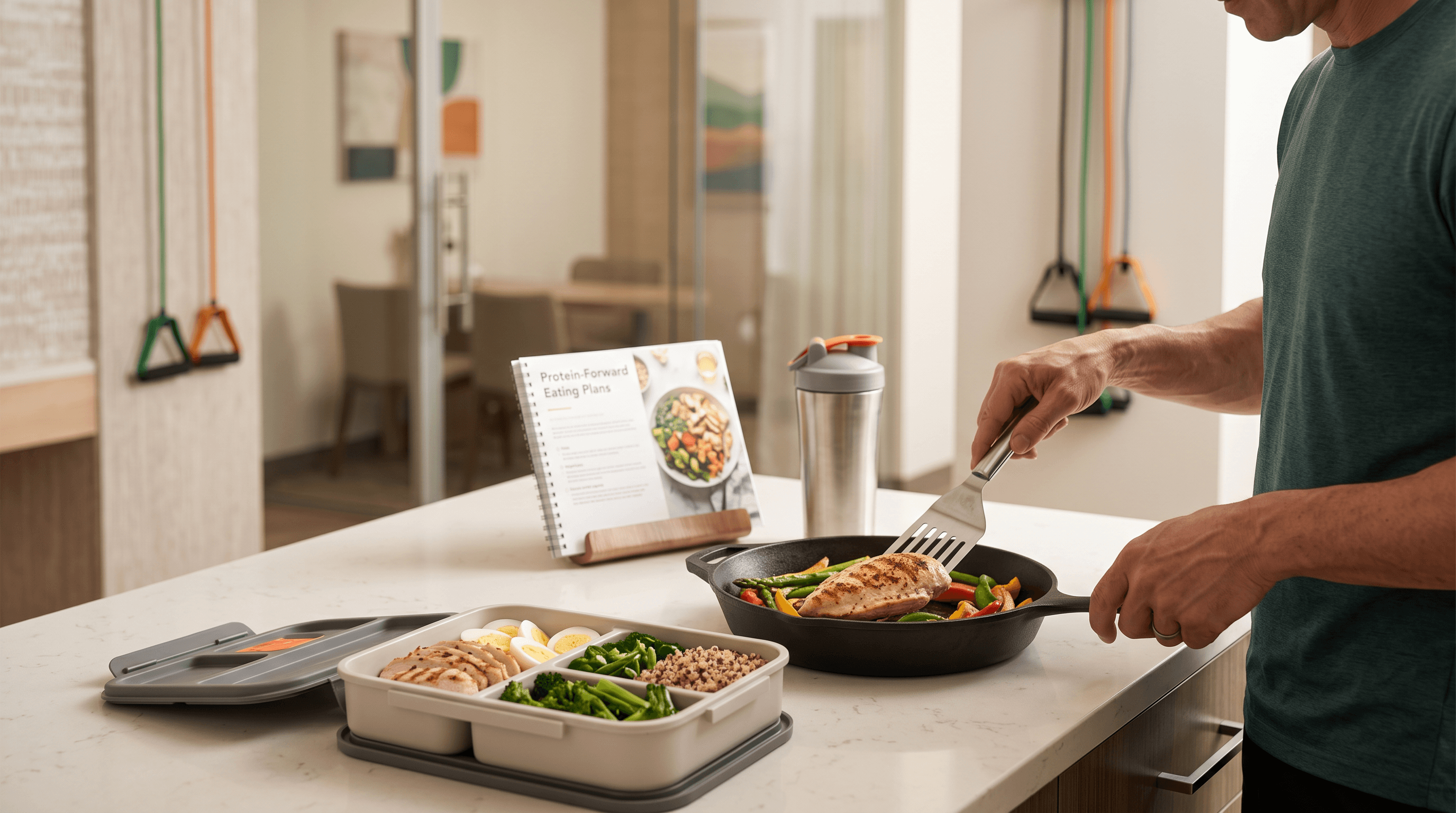
Losing muscle along with fat is one of the biggest risks of rapid weight loss, whether from bariatric surgery or GLP-1 medications. Dr. Weiner explains the specific protein targets, exercise strategies, and timing that protect lean mass during treatment.
The single most important thing you can do to protect muscle during weight loss is to combine adequate protein intake with regular resistance exercise. This applies whether you are losing weight through bariatric surgery, GLP-1 medications like semaglutide or tirzepatide, or dietary changes alone. In my 20-plus years as a bariatric surgeon and over 4,000 procedures, I have seen that patients who prioritize these two factors look better, feel stronger, and maintain their weight loss more successfully than those who focus only on the number on the scale.
Muscle loss during weight loss is not just a cosmetic concern. It affects your metabolism, your strength, your balance, and your long-term ability to keep the weight off. This article covers exactly what you need to do to protect your lean mass during every phase of treatment.
Why Does Your Body Lose Muscle When You Lose Weight?
Your body does not selectively burn only fat when you are in a calorie deficit. It pulls energy from multiple sources, including your muscle tissue. This is a survival mechanism. When your body senses that energy intake has dropped significantly, it breaks down both fat and muscle to meet its needs.
Research consistently shows that without intervention, somewhere between 25 and 40 percent of weight lost during a calorie deficit comes from lean body mass rather than fat. That means if you lose 80 pounds, you could lose 20 to 30 pounds of muscle along with it. That is a significant amount of functional tissue.
This problem is not unique to any one method of weight loss. It happens with dieting. It happens with bariatric surgery. And yes, it happens with GLP-1 medications. The media has made a big deal about “muscle loss on Ozempic,” but the reality is that this is a feature of weight loss itself, not a specific side effect of any one medication. The good news is that it is largely preventable.
How Much Protein Do You Need to Prevent Muscle Loss During Weight Loss?
Protein is the raw material your body needs to maintain and repair muscle tissue. When you are losing weight, your protein needs actually go up compared to when your weight is stable. This catches a lot of patients off guard, especially after bariatric surgery when their stomach capacity is dramatically reduced.
Here are the protein targets I recommend based on your treatment:
After Bariatric Surgery
The minimum target for protein after gastric bypass or sleeve gastrectomy is 60 grams per day. But I encourage most of my patients to aim for 80 to 100 grams per day if they can tolerate it. In the first few weeks after surgery, this is genuinely hard because your stomach holds very little. Protein shakes and supplements are essential during this early period. As your diet progresses to soft and then solid foods, whole food protein sources should become your foundation.
During GLP-1 Treatment
Patients on GLP-1 medications like Wegovy or Zepbound have an advantage in that they do not have a surgical restriction on their stomach size. However, these medications significantly reduce appetite, and many patients simply do not eat enough. I regularly see patients on semaglutide or tirzepatide who are eating only 800 to 1,000 calories per day, with protein intake well below 50 grams. This is a recipe for muscle loss.
Protein during GLP-1 treatment should also target 80 to 100 grams per day. If you are struggling with appetite suppression, prioritize protein at every meal. Eat your protein first before vegetables, grains, or anything else on the plate. If you finish the protein and have no room for the rest, that is fine.
General Dietary Weight Loss
For patients managing weight through nutritional changes without surgery or medications, the same protein targets apply. At our practice, our registered dietitian Zoe Schroeder works closely with patients to build meal plans that hit these numbers consistently, because consistency matters more than perfection on any single day.
What Are the Best Protein Sources?
Not all protein is created equal when it comes to muscle preservation. You want complete proteins that contain all the essential amino acids, particularly leucine, which is the amino acid most directly responsible for triggering muscle protein synthesis.
The best sources include:
- Chicken and turkey breast - high protein density, low fat, well tolerated after surgery
- Fish and shellfish - excellent protein with anti-inflammatory omega-3 fats
- Eggs - one of the most bioavailable protein sources available
- Greek yogurt and cottage cheese - high in protein and casein, which digests slowly
- Lean beef and pork - good sources but may be harder to tolerate early after surgery
- Whey protein isolate - the most studied supplement for muscle preservation, well tolerated by most patients
I want to be direct about plant-based proteins. While foods like beans, lentils, tofu, and tempeh contain protein, they are less efficient at stimulating muscle protein synthesis compared to animal-based sources. If you eat a plant-based diet, you will need to eat a higher total volume of protein and pay attention to amino acid profiles. This is doable, but it requires more planning.
Does Protein Timing Matter?
Yes, but not as much as the total daily amount. That said, there are a few timing principles that make a meaningful difference:
- Spread protein across 3 to 4 meals. Your body can only use a certain amount of protein for muscle synthesis at one time, roughly 25 to 40 grams per meal. Eating 100 grams of protein in a single meal is less effective than eating 25 grams four times throughout the day.
- Eat protein within an hour or two of exercise. Resistance training sensitizes your muscles to protein, so eating protein around your workouts gives you a slight advantage.
- Do not skip breakfast protein. After an overnight fast, your body is in a catabolic state. Getting protein in the morning helps shift back toward muscle maintenance.
Strength Training After Bariatric Surgery: When and How to Start
Protein alone is not enough. Without a stimulus telling your body to keep its muscle, even high protein intake will not fully prevent lean mass loss. That stimulus is resistance training.
The First 4 to 6 Weeks After Surgery
Immediately after bariatric surgery, your body is healing. During this period, walking is the primary recommended activity. I tell patients to walk daily, starting with short distances and gradually increasing. Do not lift anything heavier than 10 to 15 pounds during this window. Your abdominal wall needs time to recover from the surgical sites.
Weeks 6 to 12: Building the Foundation
Once your surgeon clears you (and this is a conversation you need to have with your specific surgical team), you can begin light resistance training. Start with:
- Resistance bands
- Light dumbbells (5 to 15 pounds)
- Bodyweight exercises like wall push-ups, chair squats, and modified lunges
- Machine-based exercises at a gym, which provide stability and reduce injury risk
The goal at this stage is not to set personal records. It is to establish a routine and teach your muscles that they are still needed. Two to three sessions per week of 20 to 30 minutes is a reasonable starting point.
Month 3 and Beyond: Progressive Overload
This is where the real muscle protection and eventually muscle building happens. Progressive overload means gradually increasing the weight, repetitions, or intensity of your exercises over time. Your body adapts to whatever you throw at it, so if you keep doing the same workout with the same weights for months, you will stop seeing benefits.
A simple approach:
- Train each major muscle group at least twice per week
- Use weights that are challenging for 8 to 12 repetitions
- When you can complete 12 reps comfortably, increase the weight slightly
- Focus on compound movements: squats, deadlifts, rows, presses, and pull-downs
One of our patients, Moira, shared her experience on a recent episode of our Pound of Cure podcast. After gastric bypass and losing over 80 pounds total, she has been working with our dietitian Zoe on performance nutrition to amplify her results. Her story is a great example of what happens when patients combine surgery with the right nutritional and exercise strategies.
Strength Training While on GLP-1 Medications
If you are losing weight on GLP-1 medications and have not had surgery, you have no surgical restrictions to worry about. You can start resistance training immediately and should do so as soon as possible after beginning treatment.
The challenge for GLP-1 patients is different. Many patients on semaglutide or tirzepatide report fatigue, nausea, or simply feeling too full to exercise vigorously. Here is my advice:
- Start even if you do not feel like it. Even 15 to 20 minutes of light resistance training is far better than nothing. The anti-muscle-loss benefits of exercise begin with even modest effort.
- Train before meals. If nausea is an issue, exercising on a relatively empty stomach and then eating protein afterward often works well.
- Prioritize resistance over cardio. Cardio has cardiovascular benefits, but it does very little to protect muscle mass. If you only have 30 minutes, spend it lifting weights, not on the treadmill.
What About Cardio? Does It Help or Hurt Muscle Preservation?
Cardio exercise is not the enemy, but it is not particularly helpful for muscle preservation either. Excessive cardio, especially long-duration steady-state cardio like running for an hour, can actually accelerate muscle loss when combined with a calorie deficit.
I recommend a balanced approach:
- Walk daily. Walking is low-impact, sustainable, and excellent for metabolic health without the muscle-wasting risk of intense cardio.
- Limit intense cardio to 2 to 3 sessions per week. If you enjoy running, cycling, or swimming, keep doing it but do not rely on it as your only exercise.
- Always pair cardio with resistance training. This is non-negotiable for muscle preservation.
Other Factors That Affect Muscle During Weight Loss
Sleep
Poor sleep increases cortisol, which promotes muscle breakdown and fat storage. Aim for 7 to 9 hours per night. If you have untreated sleep apnea, get it addressed. Many of my patients see significant improvements in body composition simply by treating their sleep disorder.
Rate of Weight Loss
Faster weight loss generally leads to more muscle loss. This is one reason I sometimes discuss GLP-1 microdosing strategies with patients. Finding the lowest effective dose that produces steady, manageable weight loss can reduce the metabolic stress that drives muscle wasting. After bariatric surgery, weight loss tends to be rapid in the first few months regardless. This is precisely why protein and early initiation of exercise are so critical during that window.
Hydration
Dehydration impairs muscle function and recovery. After bariatric surgery, staying hydrated is a constant challenge because you cannot drink large volumes at once. Sip water continuously throughout the day and aim for at least 64 ounces.
The Transition from Weight Loss to Body Composition
There is a phase that many patients overlook. Once your weight stabilizes, your focus should shift from “losing weight” to “optimizing body composition.” This means:
- Maintaining or slightly increasing calorie intake to support muscle
- Continuing to hit protein targets
- Increasing the intensity and volume of resistance training
- Measuring progress by how your clothes fit and how strong you feel, not just by the scale
The scale can be misleading during this phase. If you are losing fat and gaining muscle simultaneously, the scale may not move much, but your body is changing significantly. I have seen patients become frustrated because the number is not dropping, when in reality they are in the best shape of their lives.
A Practical Weekly Plan for Muscle Preservation
Here is a sample week that covers the essentials:
- Monday: Upper body resistance training (30 minutes) plus 20-minute walk
- Tuesday: 30-minute walk
- Wednesday: Lower body resistance training (30 minutes) plus 20-minute walk
- Thursday: 30-minute walk
- Friday: Full body resistance training (30 minutes) plus 20-minute walk
- Saturday: Active recovery or moderate cardio of your choice (30 to 45 minutes)
- Sunday: Rest or gentle walking
Every day, hit your protein target of 80 to 100 grams spread across meals. Drink at least 64 ounces of water. Get 7 or more hours of sleep.
This is not complicated. It does not require a gym membership, a personal trainer, or expensive supplements. It requires consistency.
What Happens If You Do Not Protect Your Muscle?
I want to be honest about what I see in patients who lose significant weight without addressing muscle preservation. They often:
- Feel weak and fatigued even after successful weight loss
- Have a lower resting metabolic rate, which makes weight regain more likely
- Experience more loose skin because the underlying muscle that supports skin structure has shrunk
- Plateau earlier and struggle to lose the last 20 to 30 pounds
- Regain weight more easily because their metabolism has slowed disproportionately
Muscle is metabolically active tissue. Every pound of muscle you preserve burns more calories at rest than a pound of fat. Protecting muscle during weight loss is not optional if you want lasting results.
Your Next Step
If you are considering bariatric surgery or are currently losing weight on GLP-1 medications, make sure your treatment plan includes specific strategies for muscle preservation. This means working with a team that understands both the medical and nutritional sides of weight loss. At Pound of Cure, our nutrition program is built around exactly these principles, and we work with patients at every stage to ensure that the weight they lose stays off and that they feel strong doing it.